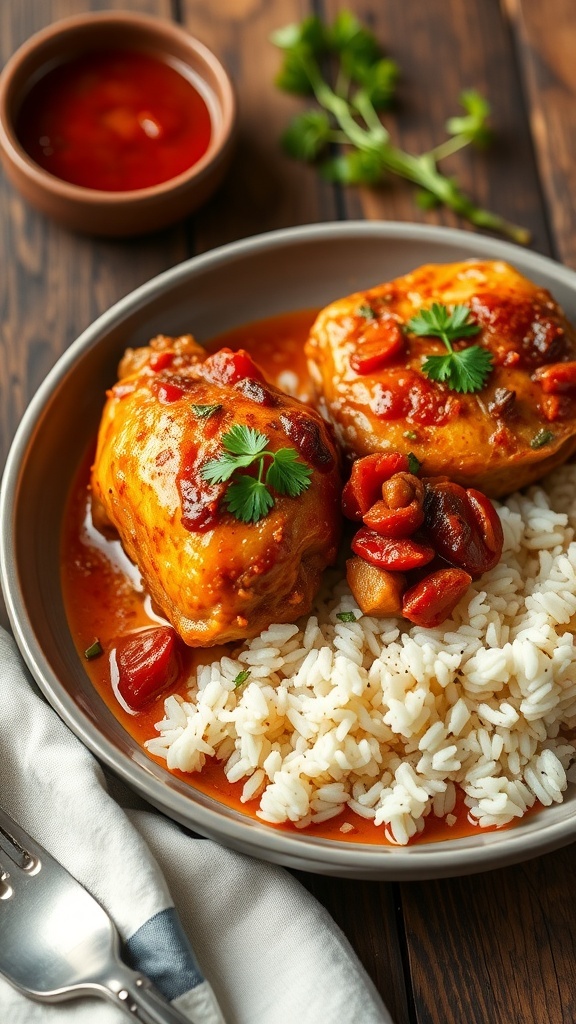
You head into the kitchen carrying the day’s prize, and you want a meal that tastes like the season. We show you how to turn venison into a simple, hearty sausage skillet that captures Wyoming hunting season flavor with pantry-friendly ingredients and one pan.
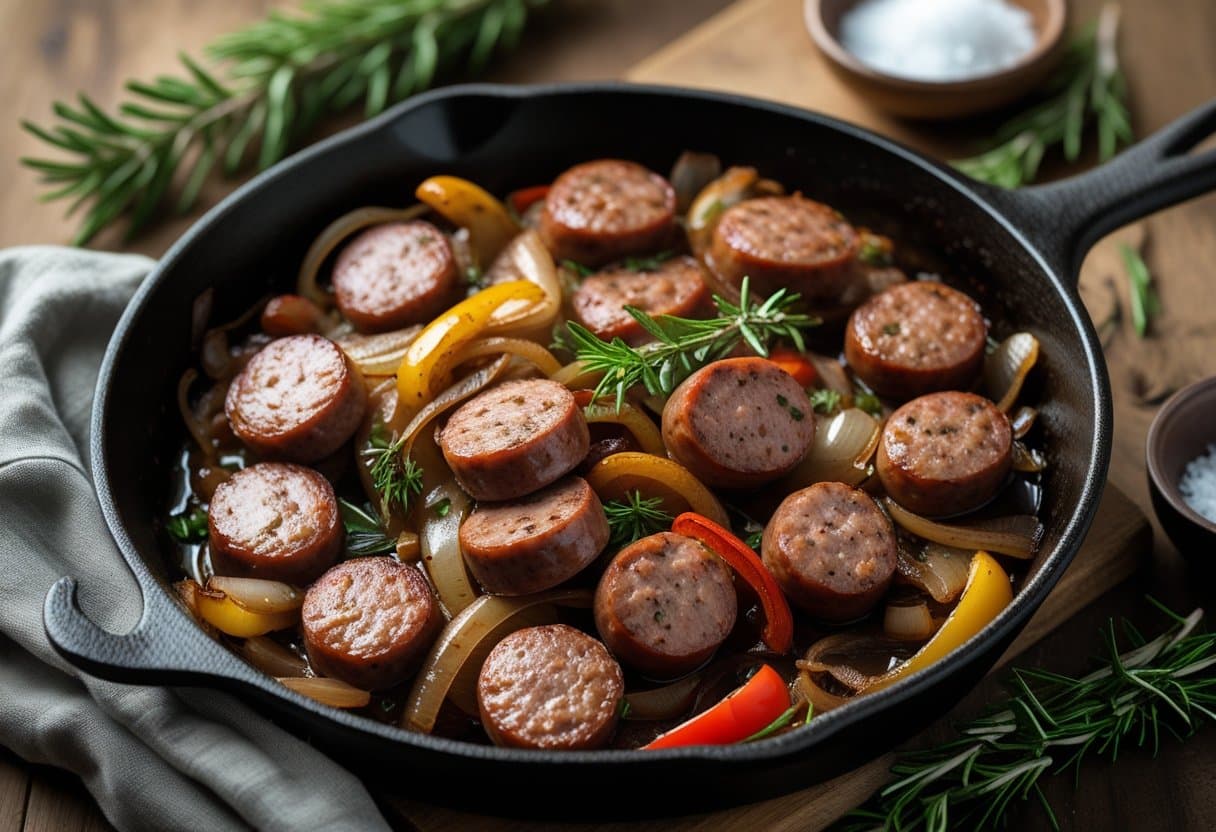
You’ll cook it fast and use basic spices. The result is a warm, rustic dish that fits breakfast, lunch, or a shareable camp-style dinner.
Our approach keeps the meat moist and the seasonings bold but honest. The steps are easy to follow, so you can focus on time with family and friends (and maybe bragging about your hunting skills).
Key Takeaways
- A one-pan venison sausage skillet delivers true hunting-season flavor with minimal fuss.
- The recipe adapts to what you have on hand while honoring Wyoming traditions.
- We answer common cooking questions so your meal turns out well every time.
Venison Sausage Skillet: A Wyoming Tradition
We cook this skillet to celebrate hunting season, family meals, and the simple flavors of the range. It centers on fresh venison sausage, bold seasonings, and hearty sides that feed a crew after a long day outdoors.
Key Ingredients and Sourcing Wild Game
We start with ground venison or link venison sausage from a recent deer. Lean deer meat needs added fat—pork shoulder or beef fat—at about 15–25% to keep the sausage juicy.
When we harvest deer, we trim hair, remove organs promptly, and chill the meat within two hours to prevent spoilage. For sausage-ready cuts, we grind chilled shoulder or round with the added fat through a coarse plate.
If buying from a processor, ask about aging and fat ratio. Local hunters or reputable processors near Wyoming towns often provide the best game meat quality and traceability.
Preparing Venison for the Skillet
We pat the sausage dry and slice links into 1/2-inch coins or form patties from ground venison for even browning. If using loose venison sausage, we bind it with a little oil when the pan is dry to prevent sticking.
Preheat a heavy skillet until hot, then add a small amount of oil or bacon fat to build flavor. Cook over medium-high heat to render fat and develop a brown crust, turning pieces so they sear on all sides.
We avoid overcooking; venison dries quickly. For a tender result, finish with a splash of stock or brown gravy and lower the heat to let flavors meld for 3–5 minutes.
Seasonings and Flavor Profiles
We use bold, rustic spices that stand up to game meat: sage, black pepper, garlic powder, and a touch of cayenne. For an Italian twist, add fennel and crushed red pepper.
Salt is crucial; venison needs a firm hand with kosher salt to bring out its natural flavor. We often include onions and apples in the skillet for sweetness and acidity that cut the gamey notes.
A splash of beer or beef stock deepens the sauce. Fresh herbs like rosemary or thyme finish the dish.
For smoky depth, we’ll use smoked paprika or briefly smoke links before slicing. If you like it spicy, don’t be shy with the cayenne.
Serving Suggestions with Traditional Sides
We plate the skillet with warm sourdough for sopping up gravy. Add a big scoop of potato salad or mashed potatoes to round the meal.
Potatoes tame the lean game meat and make the meal family-friendly for grandchildren and elders alike. Add pickles or a sharp mustard on the side to balance richness.
In the field kitchen or at home, serve with a simple green salad or roasted root vegetables. When camping in the wilderness, we pack biscuits or thick sourdough slices and keep an eye out for wildlife—cooked venison should be stored securely from bears and other animals (unless you want unexpected dinner guests).
Cultural Heritage and Modern Twists

We honor hunting ties and family recipes while showing how this skillet adapts to new flavors and cooks. Traditional methods meet quick weeknight swaps and party-style serving ideas.
Wyoming Hunting Season Culture
We cook this skillet as part of the end-of-season ritual after a successful hunt for white-tailed deer or mule deer. Hunters clean and butcher game the same day, then grind meat for sausage or reserve cuts for venison steak.
The skillet often stars fresh venison sausage made from those deer, browned with onions and bell peppers over a camp stove or kitchen range. We respect tools and timing: cast-iron pans, low-and-slow browning, and a short simmer with cream or stock.
We bring it to trailhead potlucks or lodge dinners, pairing it with crusty bread or biscuits. The dish links field work to the table and keeps meals practical during cold Wyoming nights.
Family Traditions and Community Gatherings
We serve the skillet at family reunions and community events after harvest season. Home cooks pass down spice blends and techniques that keep sausage juicy without masking venison’s flavor.
Recipes travel between families; some mix in ground beef or even a bit of steak trimmings to add fat and mild beef character. We also adapt the skillet for parties like a Kentucky Derby gathering by offering it as a warm dip or slider topping.
For river trips on the Rogue River, we simplify to a one-pan meal with chopped potatoes. We make large batches for potlucks and reheat well, so the dish fuels work crews and celebration tables alike.
Versatility with Other Meats and Dishes
We swap meats easily: venison sausage can be replaced or stretched with ground beef, or used alongside sliced venison steak or salisbury steak-style patties. Smoked salmon doesn’t pair traditionally, but its strong flavor can work in small amounts for a smoky accent in fusion menus.
We repurpose the skillet base into pasta sauce, gravy for biscuits, or stuffed peppers. For southern cooking nights, we add cayenne and serve over white rice.
We also use the sausage mix to stuff mushrooms or top nachos for game-day crowds. Venison nachos? Don’t knock it till you try it.
Frequently Asked Questions
We cover practical seasoning choices, fat ratios, skillet techniques, sweet sausage ideas, breakfast sausage steps, and ways to cut gaminess. Each answer gives exact measures or clear steps you can try the next time you cook venison sausage.
What seasonings work best for enhancing the flavor of venison sausage?
We use kosher salt as the base—about 8 grams (1½ teaspoons) per pound of meat—to bring out flavor and help binding. For a classic breakfast profile, we add ground sage (1 teaspoon per pound), black pepper (½ teaspoon per pound), and a pinch of nutmeg or allspice for warmth.
For Italian-style sausage, we use fennel seed (1 teaspoon per pound, toasted and crushed), smoked paprika (1 teaspoon per pound), and crushed red pepper if we want heat. If you prefer a simple, savory skillet, add chopped fresh thyme or rosemary at the end for a bright finish.
Can pork fat be used in making deer sausage, and if so, how much?
Yes. We aim for 20–30% fat by weight. For 5 pounds of venison, we add 1 to 1.5 pounds of pork fat (pork back fat or pork shoulder).
This gives a moist texture without feeling greasy. We keep the meat and fat very cold, cube them, and grind together.
That helps the fat distribute evenly and prevents a dry, crumbly result.
What are some tips for making a rustic venison sausage skillet?
We cut potatoes into bite-sized chunks and brown them first in a hot cast-iron skillet for good crust. We brown crumbled sausage in the same pan, scraping up fond, then mix back with potatoes and onions.
That builds flavor with minimal cleanup. We add a splash (about 2 tablespoons) of stock or water and cover for a few minutes to finish cooking without drying the meat.
Fresh herbs or a spoon of mustard at the end brightens the dish.
How can one create a sweet venison sausage recipe at home?
We balance sweet and savory using maple syrup (1 tablespoon per pound) or brown sugar (1 teaspoon per pound) mixed into the meat. Add warming spices like ground cinnamon (¼ teaspoon per pound) and a bit of ground allspice (⅛–¼ teaspoon per pound).
We test a small patty before stuffing or frying so we can adjust sweetness and salt without wasting a batch.
What is the process for making homemade breakfast sausage with venison?
We start with a fat ratio of about 20% fat to 80% venison. Measure by weight—example: 4 pounds venison + 1 pound pork fat.
We mix kosher salt, sage, black pepper, a little sugar, and optional garlic powder into the chilled meat. Then we grind twice (coarse then medium) while keeping everything cold.
We mix until tacky, fry a small patty to taste, then form into patties or stuff into casings. Cook patties over medium heat until they reach 160°F internal temperature.
How can the gamey taste be minimized when making venison sausage?
We use cold water or a splash of vinegar (about 1–2 teaspoons per pound) to brighten the flavor and tone down those wild notes.
Proper fat balance is key. Too-lean sausage can taste a bit too… adventurous, so aim for a 20–30% fat ratio.
We also salt the mix early and let it rest in the fridge for a few hours or overnight. This gives the flavors time to mellow and get cozy before cooking.