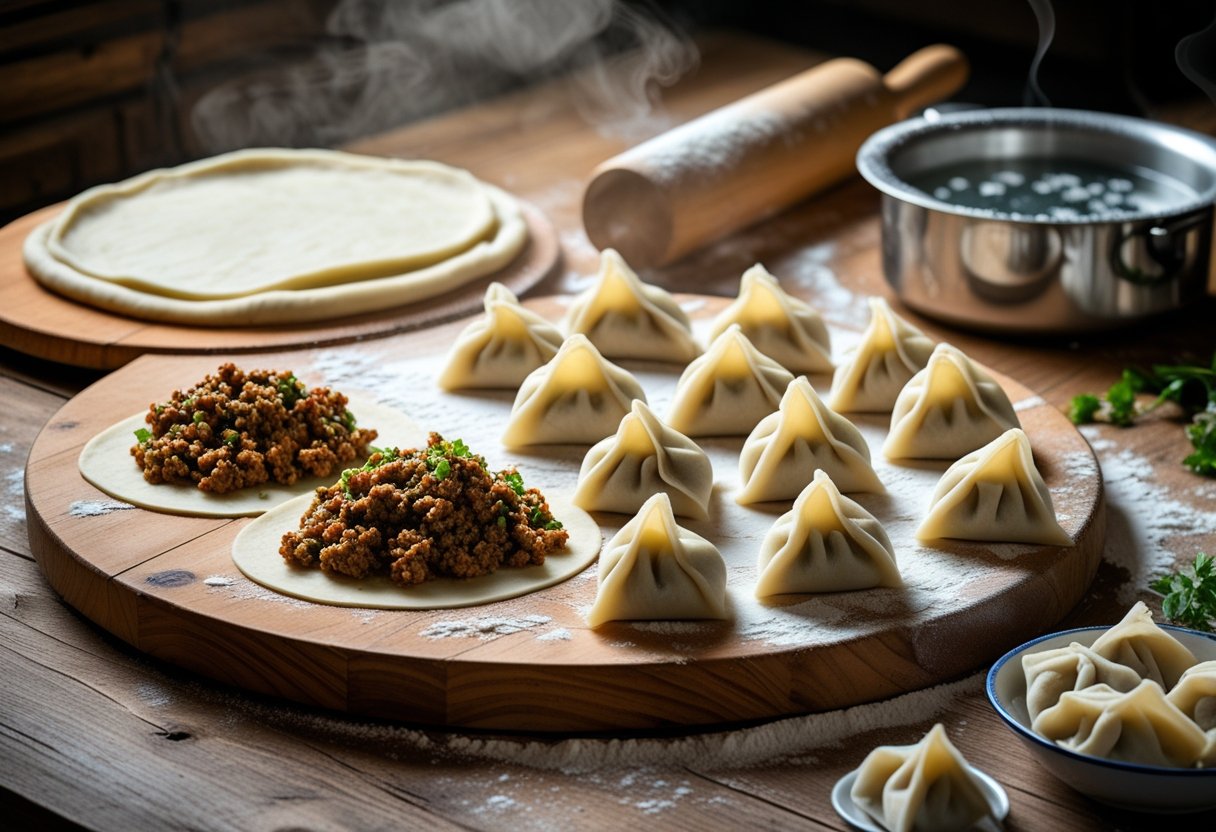
Pelmeni are traditional Russian dumplings known for their simple dough and flavorful meat filling. These Siberian pelmeni are made by wrapping a mix of ground beef and pork, along with onions and spices, in a thin dough that is boiled until tender.
This dish stands out among Russian recipes because of its versatility and deep cultural roots. Pelmeni can be served with sour cream, butter, or in broth, making them a comforting choice year-round.
They are small, bite-sized, and perfect for sharing, which helps explain their popularity as a family meal. For anyone interested in making Russian dumplings at home, understanding the balance of dough and filling is key.
This recipe focuses on authentic techniques to ensure the pelmeni are tender, the filling is juicy, and the traditional crescent shape holds tight during cooking. For more detailed instructions, a trusted Russian Pelmeni Recipe can guide cooks through the process.
How to Make Pelmeni from Scratch
Making pelmeni involves creating a tender dough, preparing a flavorful filling, and shaping each dumpling by hand or with a mold. The process requires attention to the dough’s texture and the balance of flavors in the filling for the best results.
Essential Ingredients for Pelmeni Dough
Pelmeni dough needs simple, high-quality ingredients for the right texture. Use all-purpose flour with around 10-12% protein content to provide enough strength without toughness.
A mix of hot water (about 70°C) and a small amount of neutral oil like sunflower or vegetable oil keeps the dough soft and elastic. Adding an egg helps bind the dough and enriches the texture.
Salt is a must for flavor. Some variations replace the water with broth or add vegetable purées like spinach to color the dough but keep the basic recipe straightforward.
Preparing and Mixing the Dough
To prepare the dough, heat the water until warm but not boiling. Combine the flour, salt, oil, and hot water in a bowl.
Mix the ingredients and knead for about three minutes until the dough becomes firm but pliable. A smooth springy feel shows the dough is ready.
Cover the dough with a damp cloth and let it rest for 30 minutes to relax the gluten. This resting step helps when rolling it out later, making the dough easier to handle and less likely to shrink.
Crafting Pelmeni Filling
The classic pelmeni filling uses a 1:1 ratio of ground pork and ground beef. The meat should have some fat, about 80/20, for moisture and taste.
Onions and garlic are finely grated or minced and mixed into the meat with salt and black pepper. This simple seasoning emphasizes the meat’s flavor rather than overpowering it.
Different fillings can include fish or mushrooms, but meat pelmeni remain the traditional favorite. Resting the filling in the fridge for 15 minutes before assembly allows the flavors to meld and makes the mixture easier to work with.
Assembling and Shaping Dumplings
Divide the rested dough into small pieces, then roll each portion out thinly to about 1.5 millimeters thick on a floured surface. Use a round cutter or a glass about 6 cm wide to cut circles.
Place a small spoonful (about 10 grams) of filling in the center of each circle. Moisten the edges with water, fold the dough over into a half-moon, and pinch tightly to seal, removing all air pockets.
To form the classic shape, bring the two corners of the half-moon together and press. Pelmeni can be hand-shaped or made using a pelmeni mold, which speeds up the process.
Place finished dumplings on a floured tray to prevent sticking. They can be cooked immediately or frozen for later.
Cooking and Serving Pelmeni
Pelmeni require careful cooking to achieve a tender, silky dough and fully cooked filling. Serving choices often include classic toppings and creative options like soups or crispy finishes.
Proper storage preserves texture and taste, especially when freezing homemade dumplings.
Boiling and Cooking Methods
Pelmeni are typically boiled in salted water or a light broth seasoned with bay leaves and peppercorns. Fresh pelmeni cook for about 4 minutes, while frozen ones need around 6 minutes until they float and the dough looks slightly puffed.
After boiling, pelmeni can be lifted with a slotted spoon and tossed in soft butter to add richness. For variation, pan-frying cooked pelmeni in butter creates a crispy outside, a popular snack.
Deep-frying frozen pelmeni until golden brown is another option. Cooking pelmeni in broth for a soup adds flavor and turns it into a warm, filling meal.
Serving Suggestions and Toppings
Pelmeni are often served hot with sour cream and fresh dill to balance richness. A fresh grind of black pepper adds a simple sharpness.
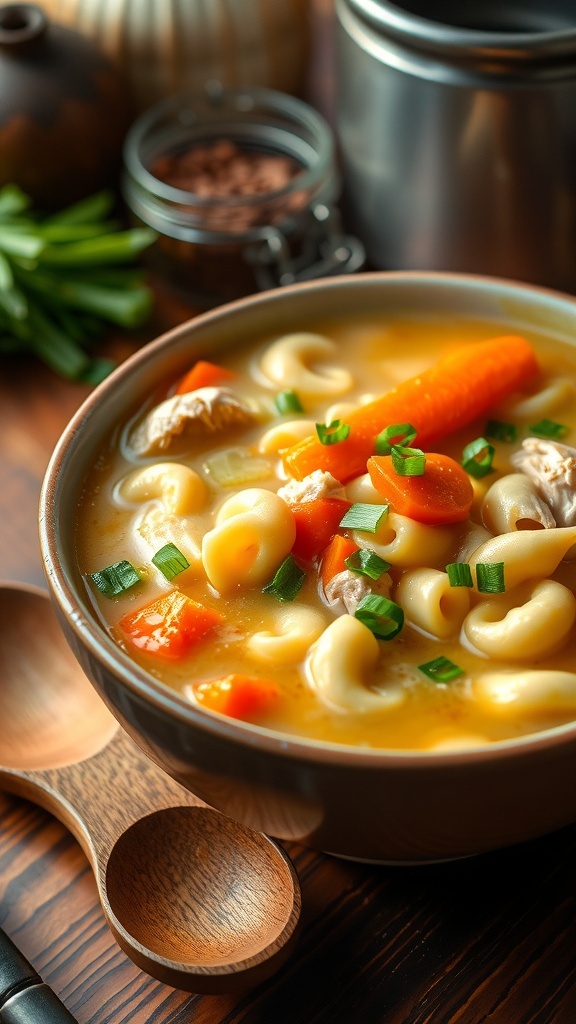
Tossing boiled pelmeni in melted butter coats them with flavor and keeps them moist. Pelmeni soup combines the dumplings with vegetables like carrots, leeks, and celery, simmered in chicken broth.
Traditional accompaniments include rustic rye bread or pickled cucumbers. Some may serve pelmeni alongside pierogi, highlighting different dough and fillings in Eastern European cuisine.
Storing and Freezing Pelmeni
Cooked pelmeni are best eaten immediately. They can be stored in the fridge for up to 48 hours.
Reheating in simmering water helps maintain texture. However, they won’t be as fresh.
Raw pelmeni freeze well when spread out on a floured tray and frozen solid before bagging. This prevents sticking and preserves shape.
Properly frozen pelmeni keep their quality for about three months. Cooking from frozen requires longer boiling.
Cooked pelmeni should not be refrozen. Reheating them again often causes the dough to fall apart.