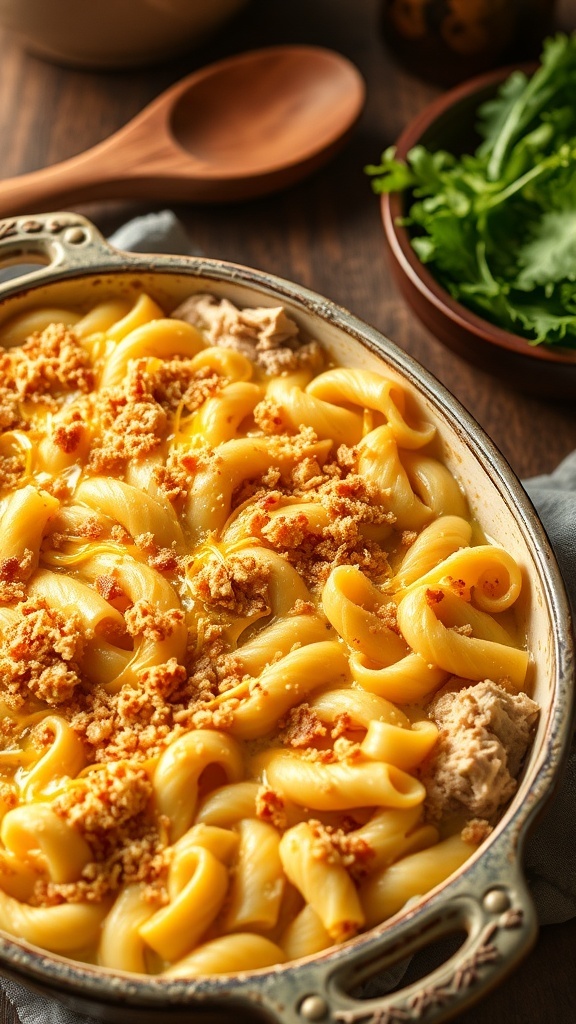
Oyster stew is a simple, creamy soup that makes an awesome meal any time of year.
It uses fresh oysters, butter, milk or cream, and a few seasonings to create a rich but delicate flavor.
The key to a good oyster stew is cooking the oysters just right—in a warm, creamy broth without overcooking—so they remain tender and flavorful.

We love how fast and easy it is to prepare—usually ready in about 30 minutes.
This stew is comforting on a cold night or as part of a holiday tradition.
With just a few ingredients, it’s an elegant way to enjoy fresh oysters without any fancy footwork.
In this post, we’ll walk you through a straightforward recipe and share tips for making your oyster stew creamy, balanced, and satisfying.
Whether you’re new to cooking oysters or just want a tried-and-true classic, this recipe is here to make you look like a kitchen superstar.
Oyster Stew Recipe Essentials
To make a good oyster stew, you need the right ingredients, a gentle hand with the oysters, and a rich broth.
These steps ensure your stew has a silky texture and balanced flavors.
Key Oyster Stew Ingredients
The star ingredient is obviously fresh oysters.
We prefer shucked oysters with their liquor since that briny liquid brings extra flavor to the party.
For the creamy base, use a mix of whole milk and half-and-half or go all-in with heavy cream.
Butter brings the richness.
Shallots and garlic add a mild, savory background.
A touch of all-purpose flour thickens things up.
Seasoning is simple: kosher salt, black pepper, and maybe a dash of celery salt or hot sauce for a little kick.
A splash of sherry or lemon juice adds just the right zing.
Selecting and Handling Oysters
Freshness is everything.
Look for oysters that are firm, plump, and smell like the ocean (not like your gym socks).
If you can’t get fresh oysters, canned oysters are a backup—just add them at the end so they don’t get rubbery.
When using raw oysters, drain off the oyster liquor but save it for later.
The liquor gets reheated with milk for extra depth.
Cook oysters just until their edges curl—overcooked oysters are like chewy erasers.
Handle them gently to keep their delicate texture.
Preparing the Broth Base
Melt butter and cook minced shallot and garlic until soft and fragrant.
Whisk in flour to make a smooth roux that’ll thicken the stew without any weird lumps.
Slowly add the milk and half-and-half while stirring like you mean it, heating until it just starts to bubble.
Add the oyster liquor to the broth for that fresh seafood flavor.
Once the broth is ready, gently stir in the oysters and cook briefly until they’re just warmed through.
Don’t let it boil after adding oysters—nobody wants rubbery seafood.
Adjust seasoning with salt, pepper, lemon juice, and hot sauce for a well-rounded taste.
For detailed instructions and ingredient lists, you can find a good classic oyster stew recipe here.
Step-by-Step Instructions for Oyster Stew

We’ll walk you through making a classic oyster stew with a creamy, milk-based broth.
You’ll get tips for perfect texture, flavor, serving, and storing leftovers (if there are any—no judgment if you finish the whole pot).
How to Make Oyster Stew
First, melt 2 tablespoons of butter in a large pot over medium heat.
Add 1 chopped onion and sauté until translucent but not browned.
Toss in 2 minced garlic cloves and cook for a minute to get that amazing aroma going.
Next, sprinkle in 1 cup of all-purpose flour and stir constantly to form a roux.
Cook it for a couple of minutes to get rid of that raw flour taste.
Slowly whisk in 1 cup of milk or cream and, if you’re feeling fancy, 1/2 cup of white wine or sherry.
Keep stirring until the mixture thickens just a bit.
Add 2 cups of fresh, shucked oysters with their juices.
Pour in 2 cups of fish stock or water, season with salt, black pepper, and 1/2 teaspoon paprika.
Simmer gently for 5-7 minutes until the oysters are cooked but still tender (no tough oysters allowed).
Tips for Perfect Texture and Flavor
Use fresh oysters for the best taste.
Overcooking makes oysters tough, so add them near the end and simmer gently on low heat.
Add a splash of Worcestershire sauce, lemon juice, or hot sauce for deeper flavor.
Feeling bold? Throw in a pinch of cayenne pepper or red pepper flakes for a little heat.
Stir in chopped parsley, chives, or green onions right before serving for a pop of color and freshness.
Avoid boiling the stew and don’t rush—good things come to those who wait, especially when it comes to creamy broth and tender oysters.
Serving Suggestions and Garnishes
Serve oyster stew hot in bowls with a sprinkle of fresh herbs on top.
Oyster crackers, saltine crackers, or crusty bread are classic sides and perfect for soaking up that creamy broth.
A squeeze of lemon juice adds brightness and balances the rich sauce.
For extra flair, garnish with crumbled cooked bacon or a dash of smoked paprika.
Offer hot sauce or Worcestershire sauce on the side for anyone who likes it spicy.
Pair the stew with a simple green salad or steamed veggies for a meal that’s both comforting and classy.
Storage and Leftover Oyster Stew
Store leftover oyster stew in an airtight container in the refrigerator. Use it within 1-2 days to keep things safe and tasty.
When reheating, warm the stew gently over low heat. If you crank up the heat, your oysters might start impersonating rubber bands, and nobody wants that.
If the stew thickens too much after cooling, just add a splash of milk or broth while reheating to loosen it up.
Do not freeze oyster stew. The texture and flavor will throw a fit, and it’s really best enjoyed fresh.