If you’ve never met Msemen, you’re in for a treat. It’s basically the cool cousin of toast—crispy on the outside, soft and flaky on the inside, and just begging to be slathered with butter or honey.
This layered semolina flatbread isn’t just any bread. It’s a magic trick in dough form, folding itself into perfect little squares full of buttery goodness without needing an oven.
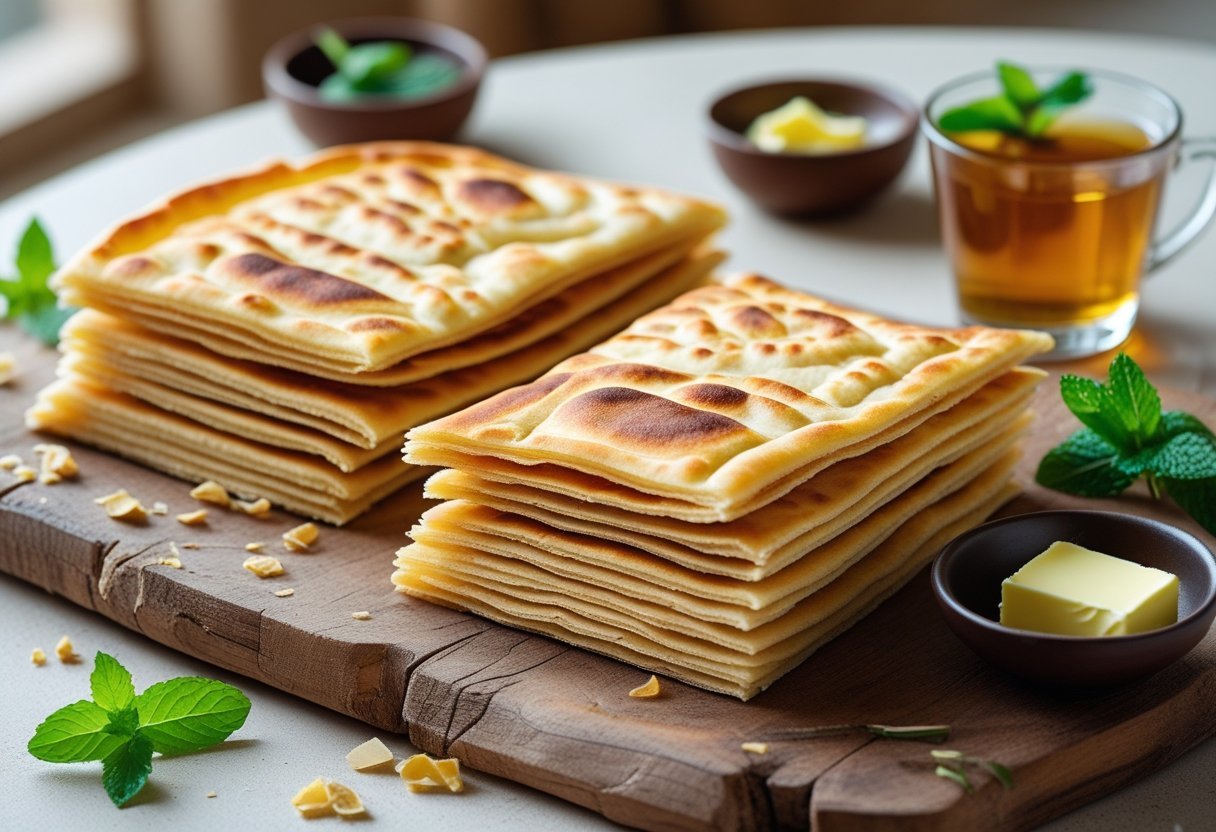
Making Msemen is way easier than it looks, even if your dough-flipping skills are more “flop” than “flip.” It’s pan-cooked, quick, and perfect for breakfast, tea time, or whenever you need a good carb hug.
If you’re ready to impress your taste buds and possibly confuse your friends with your newfound bread wizardry, you’ve come to the right place.
Mastering the Art of Msemen
Getting msemen right means balancing a few key moves: picking the right ingredients, mixing the dough just so, folding it into layers, and cooking it to golden, crispy glory. Each step plays a big role in turning our dough into that flaky Moroccan flatbread everyone raves about.
Essential Dough Ingredients and Why They Matter
Let’s start with the basics: semolina and white flour. Semolina gives msemen its trademark slightly gritty texture and helps create those flaky layers we crave.
White flour adds softness, making the dough easier to stretch and fold without snapping back like a rubber band. We mix a pinch of sugar and salt for flavor balance—sugar keeps the yeast (if we use it) happy, and salt tightens gluten strands, giving structure.
Adding baking powder can boost puffiness, but it’s optional. Water brings it all together.
Too little, and the dough fights us; too much and it turns into a sticky mess. The right hydration makes the dough soft, stretchy, and ready for some serious folding action.
Mixing, Kneading, and Resting Like a Pro
Mixing is our dough’s first workout. We combine our dry ingredients before slowly adding water.
Then comes kneading—about 10 minutes of elbow grease or a dedicated stand mixer dance—to develop gluten. The dough should end up soft, elastic, and slightly tacky but not sticky.
Resting is non-negotiable. Cover the dough and let it chill for 30 minutes.
This gives gluten a chance to relax, making the dough easier to stretch without snapping back. It’s like letting your muscles cool down before the next move.
Skipping rest is like trying to fold paper that keeps folding itself back. Patience here pays off with smooth, pliable dough ready for that flaky finish.
Folding, Layering, and Creating Flaky Perfection
This is where msemen gets its personality. We divide the dough into balls, then flatten each into a thin circle.
Brush melted butter on top to build those delicious, rich layers. Next, we sprinkle fine semolina over the butter.
This extra grit between layers helps create the flakiness and crispness msemen is famous for. Then comes the folding.
We fold the dough into a neat square, folding edges over the center like wrapping a gift, trapping butter and semolina inside layers. Some like to repeat brushing and folding for even flakier results.
The magic is in these layers. Each one crisps up as we cook, giving us that crunchy outside and tender inside combo.
It’s flaky math!
Griddle Moments: Cooking for Gold
Now, the griddle (or skillet) gets hot. We cook each folded square over medium heat for 2-3 minutes per side.
We want a balance between golden color and crispy texture without burning. Patience is key here.
If the pan is too hot, our msemen gets crusty on the outside but raw inside. Too low, and it dries out without that signature crisp.
We press gently with a spatula to help the bread puff and crisp evenly. The smell of frying butter and warm bread will very likely have us hovering nearby, fork and knife in hand, ready to enjoy.
For a perfect golden-brown crust and layered texture, medium heat and steady attention win the day. Then, we’re ready to serve these beauties with honey, jam, or even your favorite cheese.
Learn more about shaping and cooking techniques from this detailed Msemen Recipe: Moroccan Layered Flatbread.
Serving, Pairings, and Storing with Style
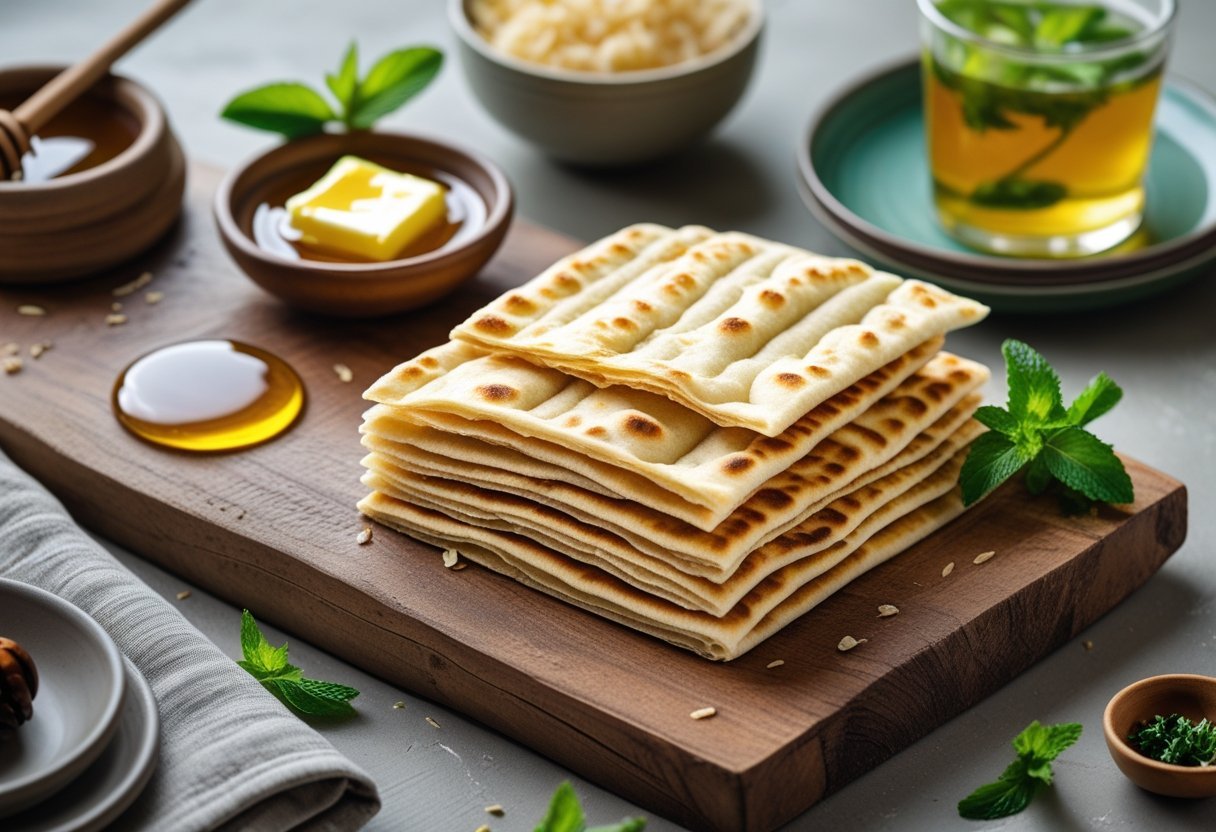
Msemen isn’t just about flaky layers and buttery crunch. It’s also about how we serve it, what drinks make it sing, and how to keep it fresh without losing that magic.
Let’s talk flavors, combos, and storage hacks that’ll save the day when we want msemen anytime.
Traditional and Sweet Serving Ideas
Msemen shines brightest when it’s slathered with something good. Classic Moroccan style means serving it with butter and honey drizzled on top.
The honey adds just the right sweet kick to balance the savory layers. We love spreading cream cheese for a smooth twist or even tossing on some jam for a fruity surprise.
Stuffed msemen is where things get interesting. You can go simple with ground nuts and cinnamon or wild with spiced meat filling.
It’s kind of like peeling back layers of a crispy gift every time we bite in. For breakfast or tea time, try:
- Butter + honey
- Cream cheese + honey drizzle
- Nutella (because, why not?)
- Spiced ground beef or veggie stuffing
These combos make msemen feel fresh and different each time.
Moroccan Mint Tea: The Ultimate Companion
If msemen is the star, Moroccan mint tea is the rockstar backup singer. Mint tea’s sweet, refreshing, and cool flavor cuts through the richness of the bread like a charm.
It’s served piping hot and usually brewed strong with fresh mint leaves and lots of sugar. We can’t stress enough—don’t skip this duo.
The combo isn’t just about taste. It’s tradition, culture, and a little sip-of-zen moment wrapped up in every bite and sip.
Whether you want to relax, chat, or show off culinary skills, this pairing keeps us coming back for more. Imagine flaky msemen dunked in hot, fragrant mint tea.
Instant happiness.
Best Ways to Stuff, Store, and Reheat
When it comes to stuffing msemen, small, thin layers are key. Stuff before folding to keep fillings inside while you cook.
Popular fillings include onions, ground meat, herbs, or cheese. If you want to keep it sweet, cinnamon and almond paste work wonders.
Storing msemen is easier than it looks. Keep it fresh by placing it in an airtight container at room temperature for up to 2 days.
We suggest reheating in a skillet over medium heat to bring back crispiness without sogginess. Frozen msemen lives happily for up to 3 months—just thaw and reheat the same way.
Here’s a quick reference:
| Step | Tip |
|---|---|
| Stuffing | Fold gently around thin layers |
| Storage | Airtight container, 2 days max |
| Freezing | Freeze up to 3 months |
| Reheating | Skillet on medium heat |
We always recommend reheating msemen fresh rather than microwaving. That way, the layers keep their crunch and stay deliciously buttery.
Frequently Asked Questions
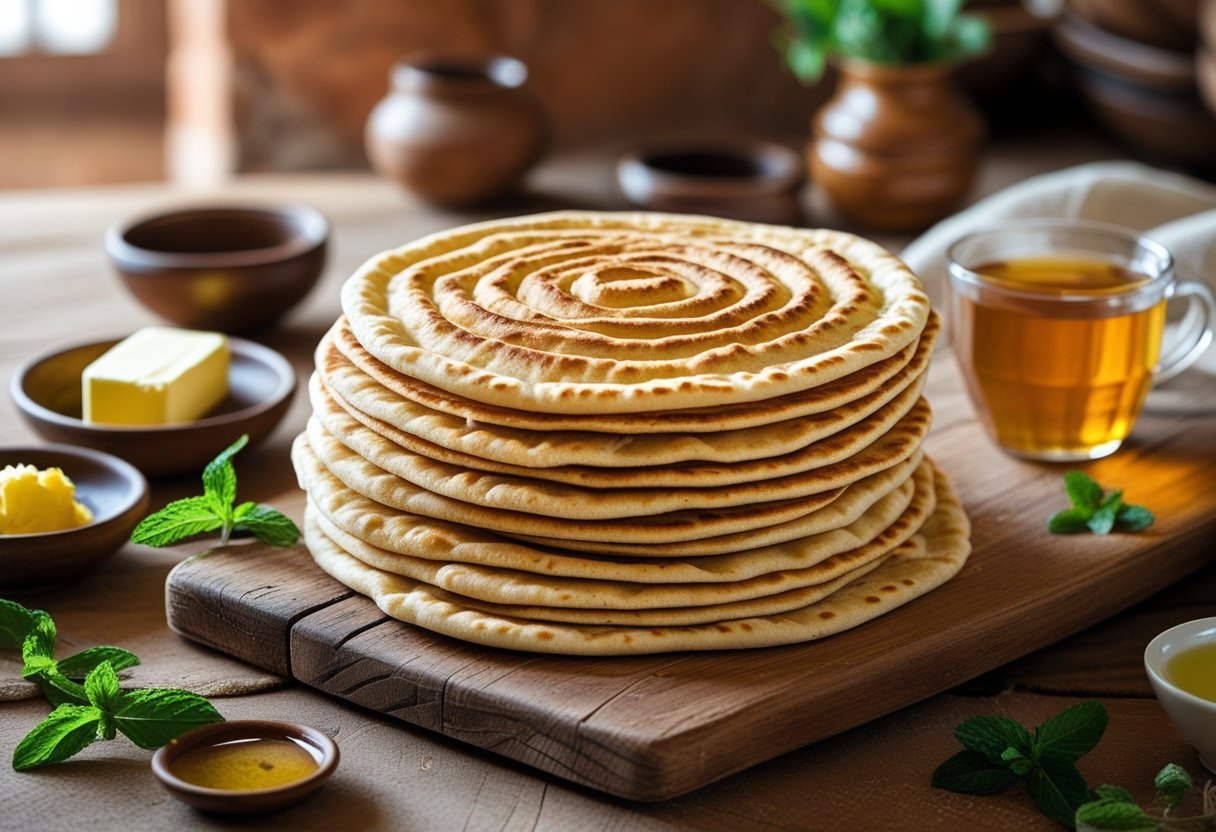
Let’s clear up some of the confusion hanging around msemen. We’ll talk about whether it needs yeast, shortcuts to save our flipping arms, and if swapping semolina is a good idea or a disaster waiting to happen.
Can this flatbread get a rise without yeast, or is it flat-out impossible?
Msemen doesn’t rise like your typical fluffy bread. It’s meant to be flat and flaky, not a balloon.
So no yeast is needed, and yes, it’s totally possible to skip it without losing that classic texture.
Got any tricks up your sleeve for a quicker, easier msemen, or am I flipping these all day?
We wish flipping msemen was a one-flip magic trick! But patience is part of the charm.
Letting the dough rest and using a good mix of butter and oil speeds things up and makes the flips worth it.
Is swapping semolina for another flour the secret to morphing msemen, or does that recipe fall flat?
Semolina is key for that signature crisp crunch. You can try all-purpose alone, but beware—it’s softer and less crispy.
So swapping semolina might work, but you’ll lose some of that trademark texture.
Will adding yeast make my msemen rise to the occasion, or should I let that idea ferment a bit longer?
Adding yeast turns msemen into something else entirely—more like bread and less like flatbread. If you want classic msemen, skip the yeast.
But hey, experimenting can be fun… just don’t call it msemen after.
Can msemen be just as tasty without the traditional semolina, or is that a recipe for disaster?
It won’t be a disaster, but it won’t be quite right either. Semolina adds subtle crunch and helps create those perfect layers.
Without it, msemen is still edible, just missing a little magic.
Does the secret to authentic Moroccan msemen require a culinary trip to Marrakech, or can I fake it ’til I make it?
We don’t all have Marrakech on speed dial, so no passport needed. With the right ingredients and a bit of patience, you can get pretty close to authentic msemen right in your kitchen.
Just remember, folding technique is key. And hey, practice makes perfect—plus, you get to eat your delicious mistakes!