Israeli tahini cookies bring a unique twist to traditional baking by using tahini as a key ingredient, giving the cookies a rich, nutty flavor and a soft, melt-in-your-mouth texture. These cookies are simple to make with just a few basic ingredients and offer a balance of sweetness and the deep taste of sesame that sets them apart from typical cookies.
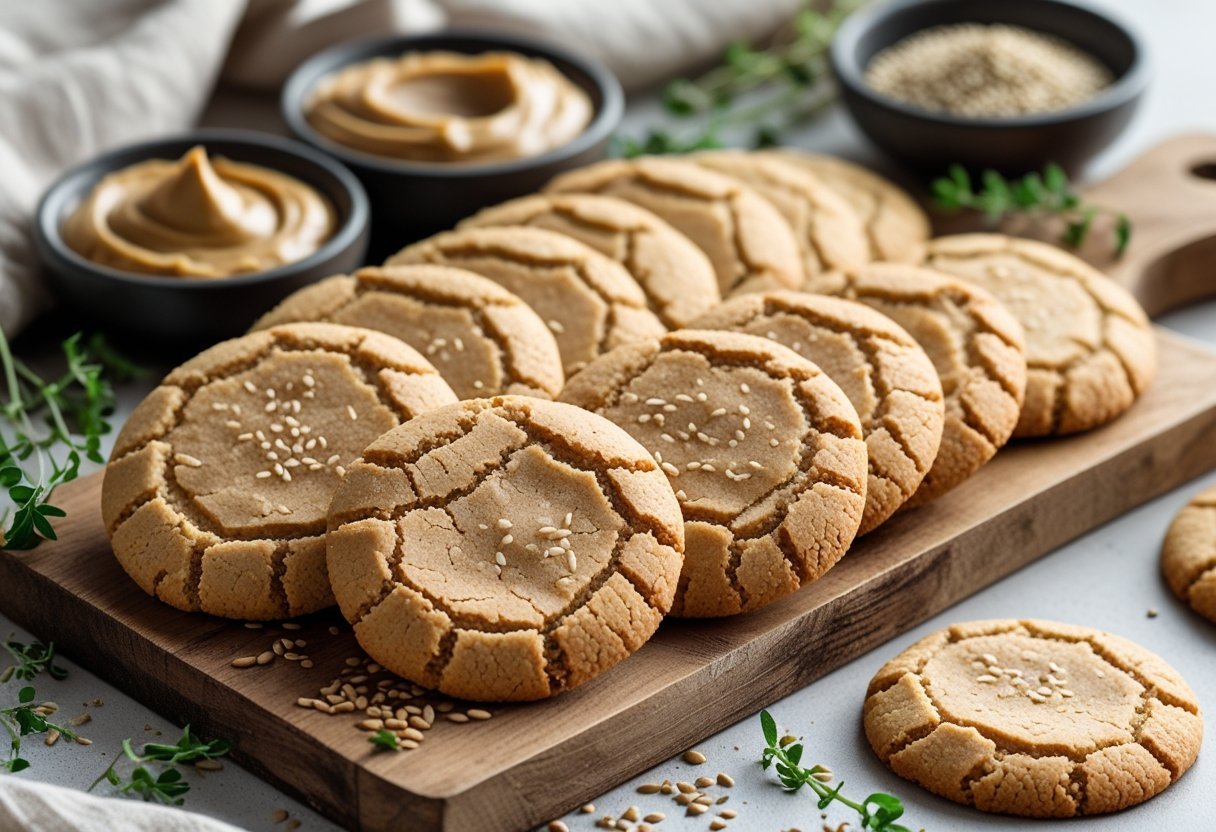
We enjoy how tahini, often used in savory dishes, can transform into a delicious treat when combined with butter, sugar, and flour. This recipe is approachable for all skill levels, making it a great choice whether we’re baking for a quick snack or a special occasion.
The recipe’s easy steps and flexible dough options, like chilling for better texture, let us control the final cookie’s softness and flavor intensity. Our favorite touch is topping each cookie with pistachios or almonds, adding both flavor and a pleasant crunch.
Learn how to make these classic Israeli tahini cookies that blend tradition with simple ingredients for a tasty, satisfying treat. For more details, see this Best Israeli Tahini Cookies Recipe.
How to Make Israeli Tahini Cookies
Making Israeli tahini cookies requires careful balance between rich tahini and the right mix of dry and wet ingredients. Temperature and texture control during preparation and baking are essential for achieving soft cookies with a distinct tahini flavor.
Essential Ingredients and Substitutes
The key ingredient is pure raw tahini, which gives the cookies their nutty taste and texture. We use softened butter instead of melted butter to help create a tender dough. Sugar sweetens enough to balance tahini’s natural bitterness. For structure, all-purpose flour is combined with baking powder to give a light rise. A pinch of salt and vanilla enhance flavor without overpowering the tahini.
If needed, we can substitute butter with coconut oil for a dairy-free or vegan version. Gluten-free flours work too, but can affect texture slightly. Using the right tahini, preferably unsalted and smooth, is crucial for consistent results.
Step-by-Step Preparation
We start by creaming together the softened butter, sugar, vanilla, and salt until the mixture is smooth and creamy. Then, we blend in the tahini until fully combined.
Next, we sift the flour with baking powder to ensure even distribution and add it gradually to the wet mix. We mix just until a soft dough forms—overmixing will toughen the cookies.
We divide the dough, wrap it in plastic wrap, and shape it into logs. Chilling the dough for about 30 minutes makes it easier to slice thin, even cookies without crumbling. This step also helps preserve the cookie shape when baking.
Baking and Cooling Techniques
We preheat the oven to 350°F (175°C). After slicing the chilled dough into thin rounds, we arrange them on parchment paper-lined baking sheets for easy removal and even baking.
Placing a pistachio or almond on top of each cookie before baking adds texture and visual appeal. We bake them for 9 to 12 minutes, aiming for pale, slightly golden bottoms while the cookies remain soft on top.
After removing from the oven, we let the cookies cool on the baking sheet for about 10 minutes. This firming step prevents crumbling and helps the cookies keep their shape. Once cooled, they develop a tender, melt-in-your-mouth texture typical of good tahini cookies.
Tips for Perfect Israeli Tahini Cookies
To make the best Israeli tahini cookies, we focus on choosing the right tahini and knowing how to store and serve the cookies properly. These steps help keep the cookies fresh and full of flavor.
Choosing and Using Raw Tahini
Raw tahini is the key ingredient that gives tahini cookies their unique flavor. We recommend using pure, raw tahini made from hulled sesame seeds for a smooth, creamy texture. Avoid tahini blends with added oils or salt, as they can change the taste.
Before mixing, stir the tahini well if it separates in the jar. This ensures the oils and paste blend evenly in the dough. Using fresh tahini improves texture and flavor, giving us a more natural, nutty taste.
If raw tahini is strong for you, we can mix it with softened butter or substitute part of the tahini with a mild oil but keep the tahini ratio high to keep the flavor.
Storing and Serving Suggestions
After baking, let the tahini cookies cool completely on the baking sheet. This helps them harden without breaking apart. Store them in an airtight container at room temperature for up to one week to keep them crisp.
For longer storage, freeze the cookies either before or after baking. Wrap dough logs or baked cookies in plastic wrap and place them in a freezer bag. Thaw at room temperature before serving.
Serving cookies with a light dusting of powdered sugar or a side of tea or coffee enhances their slightly nutty sweetness. Adding a pistachio or almond on top before baking adds texture and flavor contrast.
For quick snacks, these cookies can be enjoyed fresh or slightly warmed in the oven for a soft texture.