You want a bowl that warms you up fast and tastes like Colorado in a spoon. We cook this dish the Pueblo way, with simple steps and clear flavors that let the chiles lead.
You get heat, depth, and comfort without any culinary gymnastics. This is the kind of chili that hugs you from the inside out.
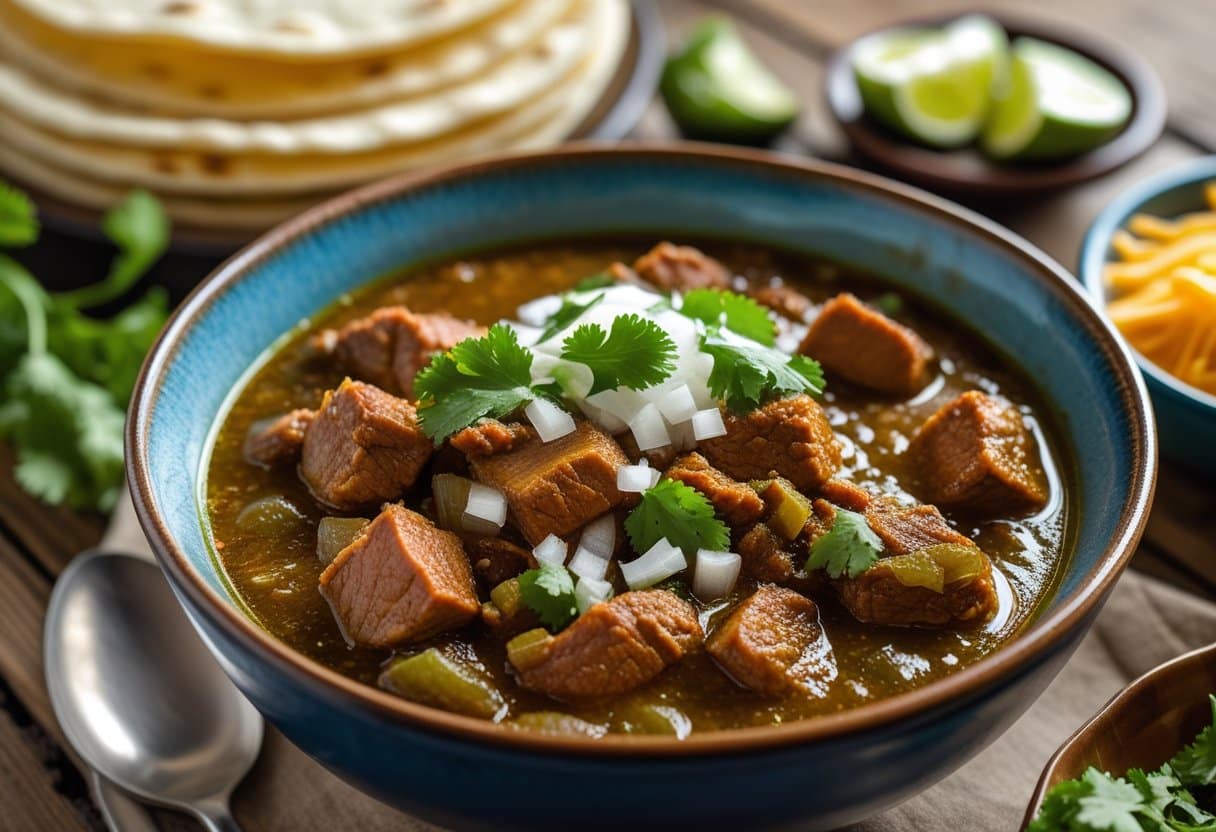
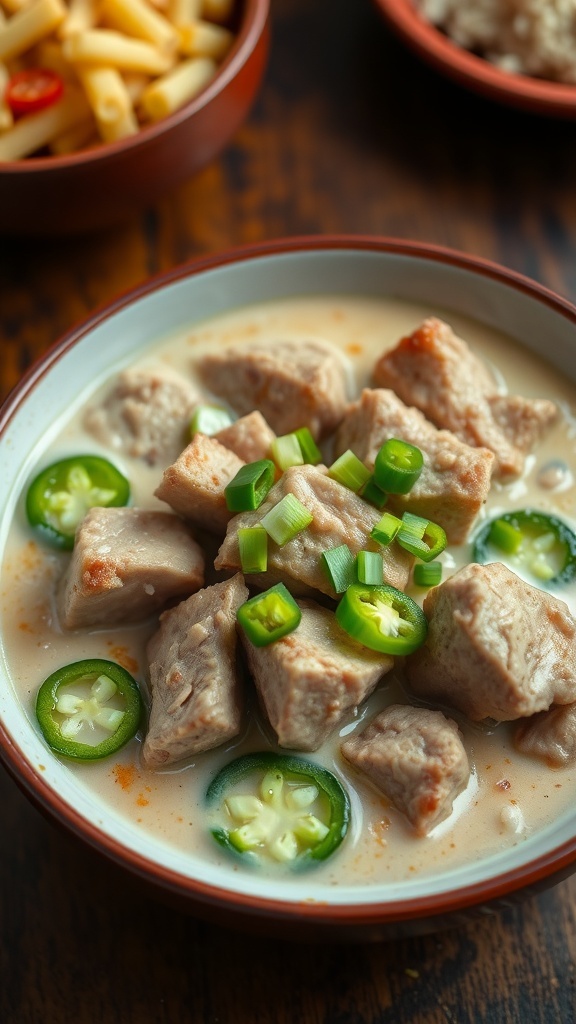
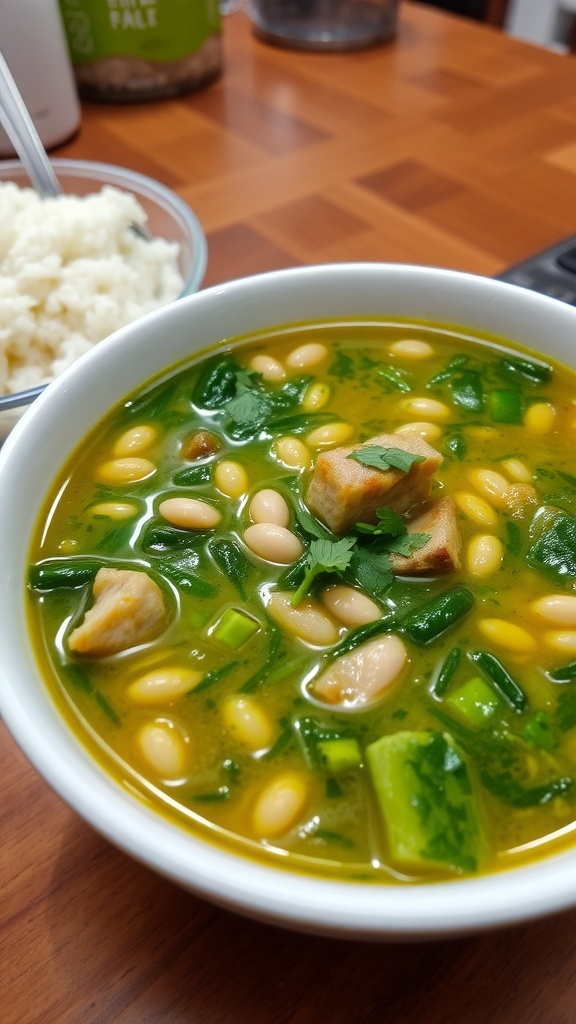
Colorado green chili is a thick pork stew made with roasted Pueblo green chiles, onions, garlic, tomatoes, and broth, simmered until rich and spicy. We stick to time-tested methods, like those in a classic Pueblo green chile recipe from History Colorado, to keep the flavor honest.
You taste the chile first, backed by tender pork and a light roux for body. It’s all about balance and letting the main ingredients shine.
You can spoon it over burritos, smother fries, or eat it straight. The result fits cold nights and busy days, with leftovers that hold up well.
Key Takeaways
- Discover what makes Colorado-style green chili unique.
- Learn which ingredients and steps are non-negotiable.
- Find easy ways to serve, store, and crank up (or down) the heat.
Authentic Colorado Green Chili Essentials
We focus on Pueblo chiles, pork, and a thick stew base that defines Colorado green chili. The dish relies on simple steps, steady heat, and a balance between spice and savor.
Pueblo Chiles and Regional Flavors
We use Pueblo green chiles because they grow well in southern Colorado and bring a clean heat with earthy flavor. These chiles taste brighter than Anaheim peppers and less sharp than jalapeños.
Most cooks roast the chiles first, then peel and dice them. Roasting adds depth and softens the skin.
Pueblo chiles shape the identity of the dish and set it apart from Texas chili or New Mexico chile verde. Colorado green chili often includes tomatoes, which add body and mild sweetness.
This choice helps explain why Colorado-style green chile uses fire-roasted tomatoes for a rich base found in recipes like this Colorado-style green chile explanation.
Key Ingredients for Spicy Green Chili
We keep the ingredient list short and practical. Each item plays a clear role in flavor or texture.
| Ingredient | Purpose |
|---|---|
| Pork shoulder | Adds richness and tender bites |
| Pueblo green chiles | Provide heat and regional flavor |
| Onions and garlic | Build a savory base |
| Tomatoes | Balance heat and thicken the stew |
| Flour and oil | Create a light roux |
| Chicken broth | Carries flavor through the pot |
Colorado versions often choose pork instead of beef. Colorado green chili traditionally uses pork, as noted in this overview of Colorado green chili ingredients.
Salt and pepper matter more than heavy spice blends. No need for a spice rack explosion!
Step-by-Step Pueblo-Style Cooking Method
We start by browning pork in oil to lock in flavor. Season early with salt and pepper to build depth.
Next, we cook onions and garlic until soft. Stir in flour and let it brown to form a light roux—this thickens the chili without making it heavy.
Add broth and bring the pot to a gentle boil. Mix in diced tomatoes and chopped Pueblo chiles, then lower the heat and simmer.
A steady simmer is key. We simmer at least 30 minutes so the pork turns tender and the flavors blend.
Serving, Storage, and Spicy Variations
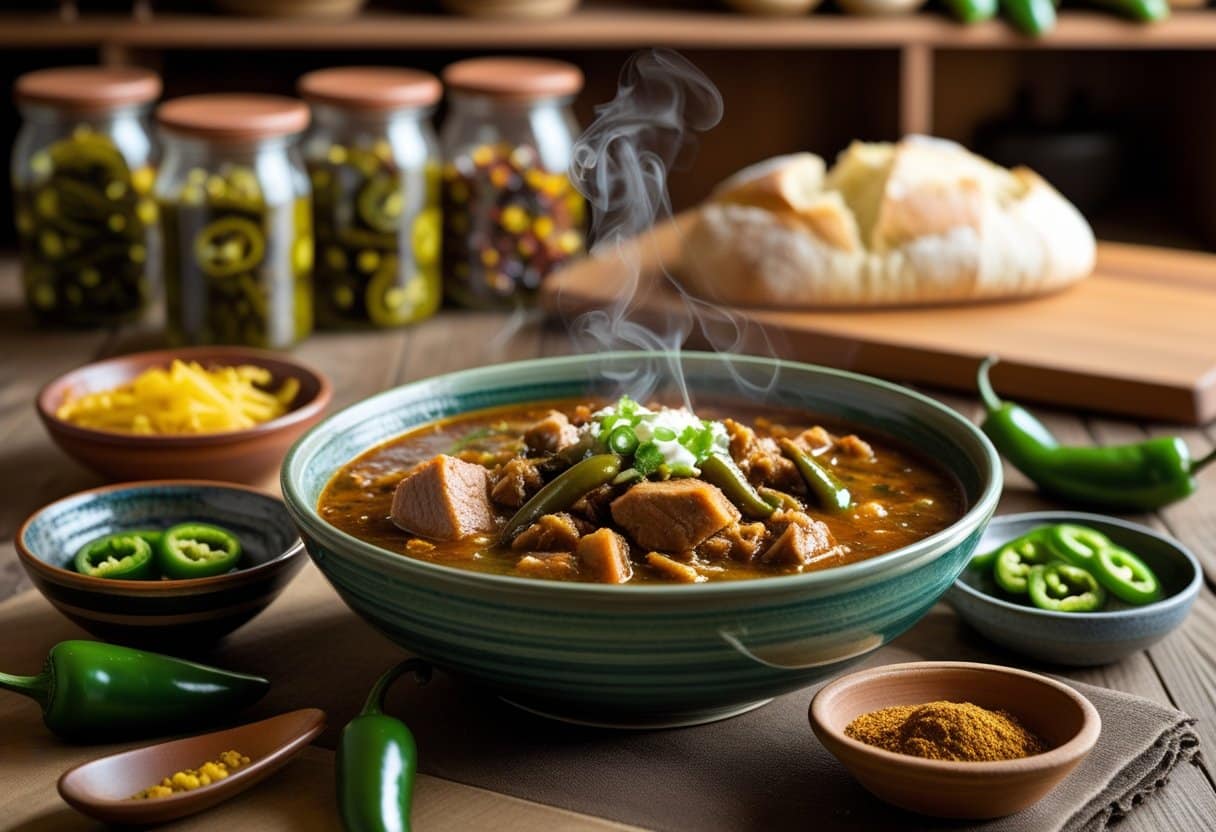
We serve Pueblo-style Colorado green chili in simple ways, store it safely for later meals, and adjust heat to match different tastes. These details help the chili stay flavorful, thick, and true to its roots.
Traditional Serving Suggestions
We most often serve Colorado green chili hot and thick. Many people ladle it over smothered burritos, hamburgers, or breakfast potatoes.
In southern Colorado, it often tops fries or comes with warm flour tortillas for dipping. Sides stay simple so the chili can be the star.
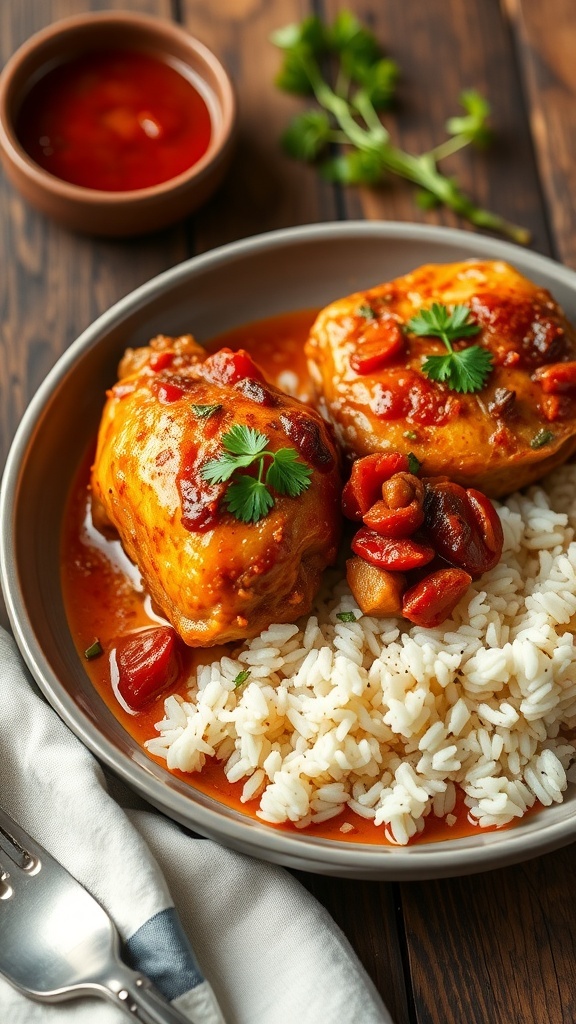
Cornbread, white rice, or refried beans work well. Some cooks even add a fried egg on top for breakfast—because why not?
Several classic recipes follow this style, including this Colorado green chili recipe with tender pork that shows how the chili works as both a sauce and a stew.
Common toppings
- Chopped onion
- Shredded cheese
- Sour cream
- Fresh cilantro
Tips for Storing and Reheating
Cool the chili fully before storing it. This keeps the texture thick and the flavor clean.
Airtight containers work best. No one likes chili with a side of fridge funk.
| Storage Method | How Long It Keeps |
|---|---|
| Refrigerator | Up to 4 days |
| Freezer | Up to 3 months |
When reheating, use low heat and stir often. Add a small splash of broth if the chili tightens up—nobody likes a chili brick.
Avoid boiling, which can make the pork dry. Many home cooks swear the flavor gets even better after a day (chili is basically the stew version of a fine wine).
Adjusting Spice Levels and Popular Variations
Pueblo-style chili often uses hot green chiles, not mild ones. We control the heat by choosing the chile type and how much we add.
Removing seeds lowers the heat. Adding more roasted chile cranks it up fast.
For extra bite, we mix in diced jalapeño or a pinch of red pepper flakes. For less heat, just blend in more stock or swirl in a spoonful of sour cream when serving.
Some variations use tomatillos or tomatoes for a lighter texture. Others thicken the chili with flour or masa.
This easy Colorado green chili recipe with green chile sauce shows how small changes can totally shake up the heat and body—without losing that signature flavor.