You’ll find elk steaks lean, flavorful, and surprisingly easy to cook well when you treat them like a premium cut of beef. We show you how to season, cook, and rest elk steaks so they stay tender and juicy without any gamey bite.
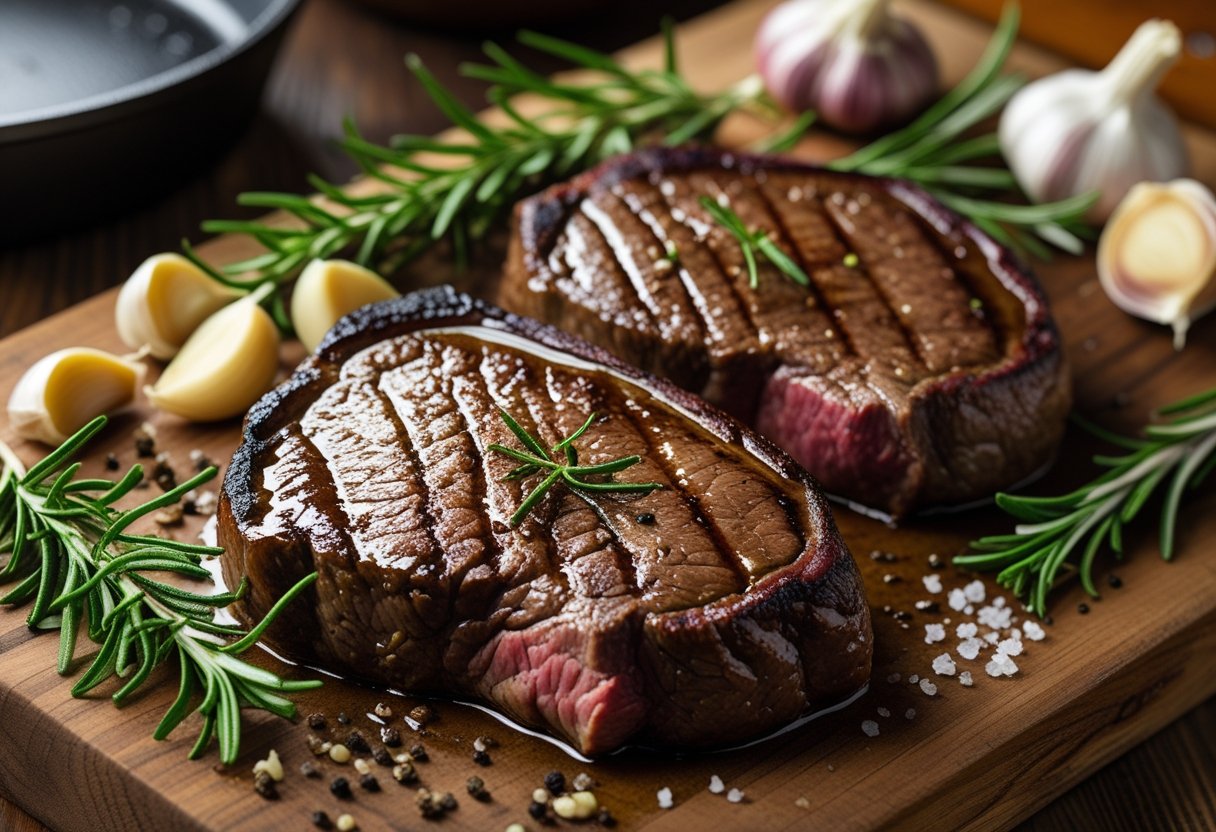
Follow our simple steps and you’ll turn a wild harvest into a memorable meal that feels both rustic and refined. We also share quick marinades, pan-sear techniques, and western-style pairings that bring out elk’s best flavors.
Key Takeaways
- Learn practical steps to cook elk steaks that stay tender and flavorful.
- Use simple marinades and searing methods to enhance natural taste.
- Pair elk with classic western sides for a balanced, hearty plate.
Essential Guide to Cooking Wild Game Elk Steaks
We focus on choosing the right cut, treating the lean meat gently, and using simple seasonings or marinades that add flavor without hiding elk’s natural taste.
Choosing the Best Elk Meat for Steaks
We pick tender cuts like loin (tenderloin) and strip loin for steaks because they have the best texture and cook quickly. These cuts usually come from the back and have less connective tissue.
Sirloin and ribeye-style cuts also work if they have a bit of fat; they give more flavor but need careful cooking. When buying, look for deep red color and fine grain with minimal surface moisture.
If the meat is wet or smells off, don’t buy it. If you hunt, age the carcass 3–7 days in a cool environment to relax muscle fibers and improve tenderness.
Portion steaks at 1 to 1.5 inches thick so they cook evenly. Trim large silver skin and heavy sinew but leave some fat if present; it helps keep the meat juicy.
Techniques for Preparing and Cooking Tender Elk Steaks
We dry the steaks with paper towels and bring them to room temperature for 20–30 minutes before cooking. This helps the steak cook evenly.
We salt just before searing to avoid drawing out too much moisture. Use high heat for quick methods: cast-iron sear, hot grill, or broiler.
Sear 1.5–3 minutes per side for medium-rare depending on thickness. Use a meat thermometer: aim for 125–130°F (52–54°C) for rare, 130–135°F (54–57°C) for medium-rare.
Remember elk cooks faster than beef because it’s leaner. For thicker or tougher cuts, we braise or slow-cook at low temperature with some liquid for 2–6 hours until fork-tender.
Rest steaks 5–8 minutes after cooking to let juices redistribute. Slice against the grain to maximize tenderness.
Balancing Flavors: Marinades, Rubs, and Seasonings
We aim to enhance elk’s natural flavor, not mask it. Simple salt and pepper often work best.
For marinades, use a balance of acid (vinegar, lemon) and oil, plus aromatics like garlic, rosemary, or juniper. Marinate 1–4 hours; avoid overnight acidic marinades for tender cuts, which can make the meat mushy.
Dry rubs with brown sugar, paprika, garlic powder, and a touch of chili add a caramelized crust for grilling. Apply rub 20–30 minutes before cooking so surface salts start to penetrate.
Finish with a small knob of butter or a spoon of compound herb butter to add richness without overpowering the meat. We pair bold sauces—red wine reduction, mushroom cream, or chimichurri—with moderate portions so the sauce complements rather than hides the elk taste.
Serving Suggestions and Savory Accompaniments
We serve elk steaks with starchy sides that soak up juices: mashed potatoes, polenta, or buttered rice. Roasted root vegetables (carrots, parsnips, beets) bring earthy sweetness that matches elk well.
For greens, use simple preparations: sautéed spinach with garlic or a peppery arugula salad dressed with lemon and olive oil. Choose wine or beer that matches the meat’s lean profile: medium- to full-bodied reds like Cabernet or a Belgian brown ale work well.
When plating, slice steak thinly against the grain and arrange over warm sides. Spoon pan juices or a light sauce over slices.
Serve extra sauce on the side so diners control how much they add. Relevant recipe ideas and techniques appear in many wild game guides such as this detailed elk steak cooking guide.
Elevating Elk Steaks: Western Pairings and Recipe Variations
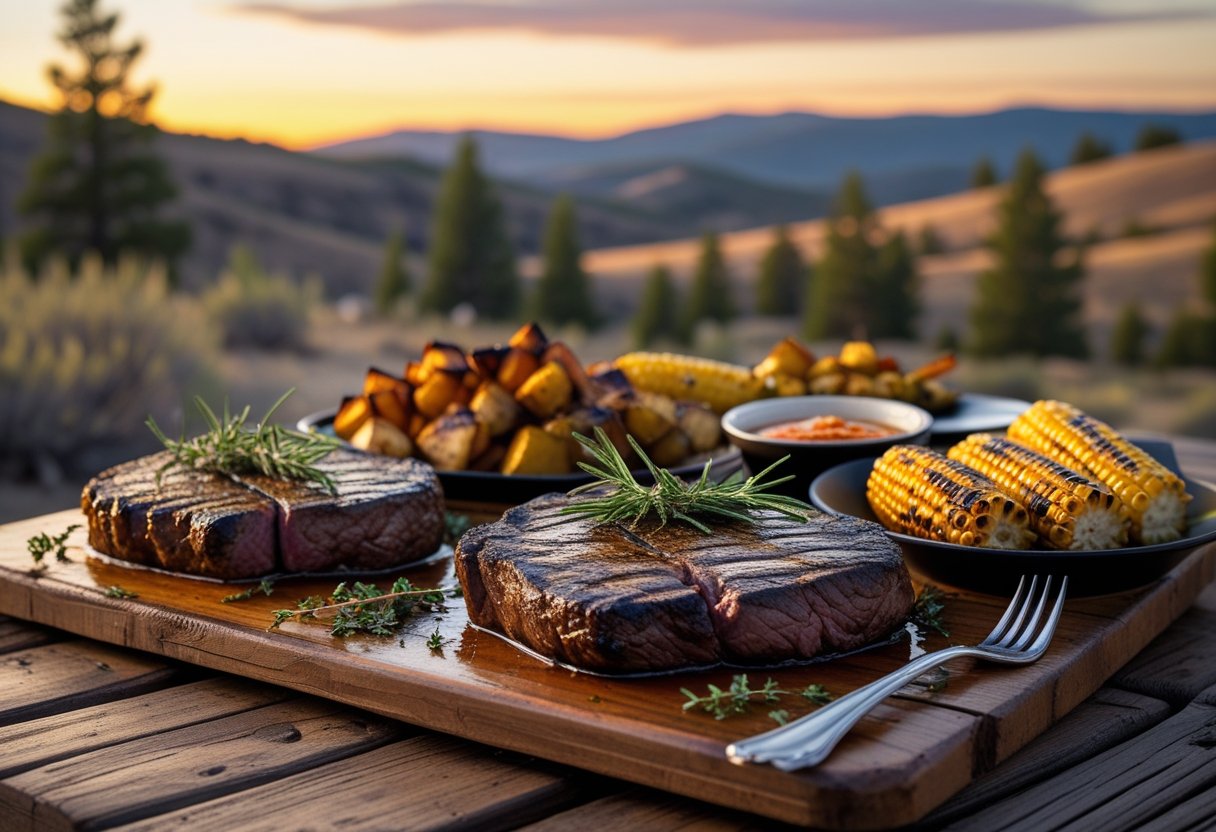
We focus on clear, practical ways to pair elk steaks and change recipes. Expect specific sauce, side, and flavor ideas that work with lean, gamey elk meat.
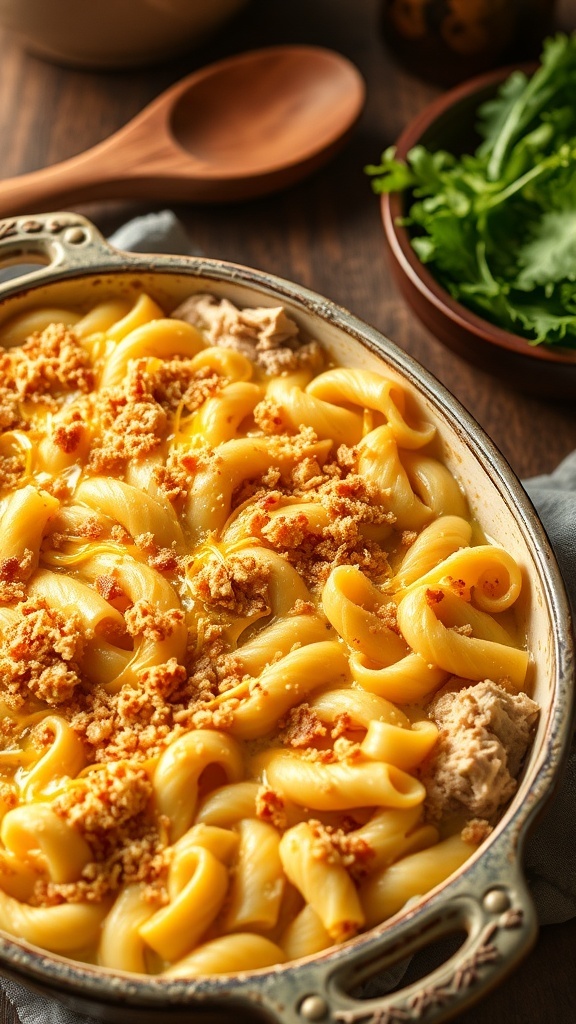
Savory Elk and Pasta Dish Recipes
We build pasta dishes that keep elk tender and add rich, balanced flavors. Use thinly sliced elk steak, quickly seared, then finish in the pan with a light sauce so the meat stays moist.
Try pan-seared elk with garlic, shallot, and a splash of beef broth. Toss with pappardelle and wilted spinach.
Finish with a knob of butter and grated Pecorino. The starch from the pasta helps carry the thin sauce and keeps the elk from tasting dry.
For a creamier route, make elk stroganoff: brown thin strips, remove them, sauté mushrooms and onions, add a light roux, then beef broth and a touch of sour cream.
Return the elk just to warm. Serve over egg noodles or wide tagliatelle.
Simple herbs—rosemary, thyme—and acid like lemon or a few capers cut gamey notes. Use coarse salt and a quick rest before slicing to preserve juices.
Wine Pairings: châteauneuf-du-pape and Beyond
We pick wines that match elk’s lean, slightly sweet profile. Châteauneuf-du-Pape works well because its medium-to-full body and peppery spice complement herb-seasoned elk.
Look for Châteauneuf-du-Pape with dark fruit, garrigue herbs, and moderate tannins when serving grilled or rosemary-crusted elk. For pan-seared elk with a red-wine reduction, choose a wine with firm fruit and balanced acidity—Syrah or Grenache-based blends suit this.
If the dish has a cream sauce or mushrooms, try a Pinot Noir or a medium-bodied Merlot to avoid overpowering the meat. For spicy or blackened preparations, a Zinfandel or Shiraz adds the ripe fruit and spice to match the seasoning.
Serve wines slightly below room temperature (55–65°F) to keep acidity bright and tannins softer against the lean meat.
Comparing Elk with Wild Boar and Feral Pigs
We compare texture, fat, and cooking needs. Elk is lean and tender with a mild, slightly sweet flavor.
Wild boar and feral pigs carry more fat and stronger pork-like notes. Cooking elk benefits from quick, high-heat methods or low-and-slow braises with added fats.
For wild boar, longer braises and fattier sauces work better because the meat tolerates—and often needs—more time to break down connective tissue. Seasonings differ: elk pairs well with juniper, rosemary, and wine reductions.
Wild boar stands up to fennel, garlic, and tomato-based ragùs. Feral pigs can be gamier and need stronger acid (vinegar, citrus) or sweet counterpoints (fruit compotes) to balance.
When substituting, reduce cook time for elk and add fat or sauce volume to prevent dryness if using elk in a recipe meant for boar.
Creative Twists: Cookies and Unconventional Pairings
We explore odd but successful contrasts that can make an elk meal memorable. Savory-sweet elements work well: a drizzle of blueberry-balsamic glaze or a roast with a cherry compote brightens elk’s flavor.
Cookies may seem odd, but we use them as textures or garnish. Crumble savory herb crackers or slightly sweet shortbread cookies into a blue-cheese and thyme crumb topping for steaks.
The crumbs add crispness and a hint of sweetness without overpowering. Try pairing elk tacos with a tangy apple-slaw and a cookie-like cornbread on the side.
Or serve elk with a small plate of spiced ginger cookies alongside coffee after the meal; the warm spice echoes game flavors and cleanses the palate. Keep experiments small.
Use one unconventional element at a time so the elk remains the main focus.
Frequently Asked Questions
We cover practical tips for seasoning, prepping, and cooking elk. Expect clear guidance on spices, slow-cook prep, classic cooking methods, top ground-elk dishes, reducing gamey flavor, and marinating times.
What are the essential spices to enhance the flavor of elk steaks?
We use bold, savory flavors that complement elk’s lean, slightly sweet meat.
Essential spices: kosher salt, cracked black pepper, garlic powder, and onion powder for a basic rub.
For more depth add smoked paprika, dried rosemary, and a pinch of cayenne for heat.
A light brush of Worcestershire or balsamic-based marinade pairs well with these spices to add umami and tenderize.
How should elk steaks be prepared for slow-cooking methods?
We trim excess fat and silver skin, then cut steaks into uniform pieces for even cooking.
Sear the meat briefly on high heat to develop color before moving to the slow cooker.
Use a liquid with acidity—beef broth plus a splash of red wine or balsamic—so the meat stays moist.
Add root vegetables, aromatics (onion, garlic), and herbs like thyme; cook low for 6–8 hours until tender.
What are some traditional methods for cooking elk meat?
We rely on searing, grilling, roasting, braising, and pan-searing as common approaches.
Grilling over medium-high heat gives a good crust while keeping the center medium-rare.
Braising or slow-roasting works best for tougher cuts to break down connective tissue.
Pan-searing in a hot cast-iron skillet then finishing in the oven yields a consistent crust and juicy interior.
Could you recommend the top recipes for ground elk?
We favor recipes that add fat and flavor since elk is very lean.
Top picks: elk burgers mixed with a little pork or bacon for juiciness, elk chili with tomatoes and beans, and elk meatballs with breadcrumbs and egg.
Also try elk tacos with salsa and lime, and shepherd’s pie using ground elk and a mashed potato topping.
These recipes balance elk’s texture while boosting mouthfeel and taste.
Is there a recommended technique for reducing the gamey taste in elk meat?
We use short marinades with acidic or dairy-based components to mellow strong flavors.
A balsamic or lemon-based marinade, or a buttermilk soak for 4–8 hours, helps reduce gaminess.
Trim any dark, heavily bloodied tissue and avoid overcooking, which concentrates strong flavors.
Pair elk with robust sides and sauces—mushroom or red-wine reductions work well.
How long should elk meat be marinated before cooking?
We recommend marinating elk meat for 4 to 8 hours to add flavor and a bit of tenderization.
For very acidic marinades, keep it shorter—2 to 4 hours—so your elk doesn’t turn into mystery mush.
If you’re using a gentle, oil-based or buttermilk marinade, feel free to go up to 12 hours.
Always marinate in the refrigerator. Bring the meat to room temperature for 20–30 minutes before cooking, unless you like living dangerously.