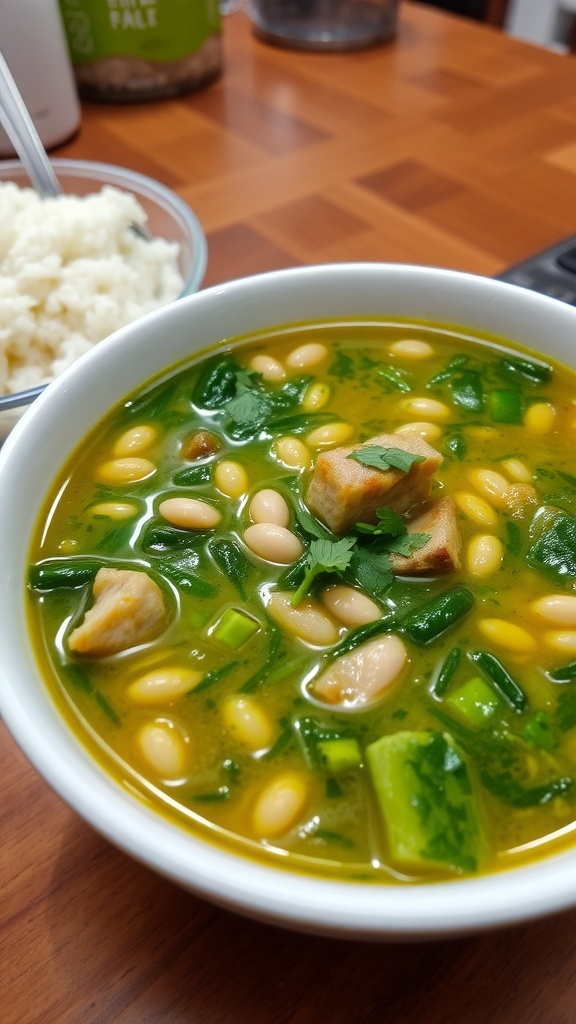
If you’re on the hunt for a snack that packs bold flavors with a healthy twist, wasabi pea green tea edamame might just be your new obsession. This combo brings together the spicy punch of wasabi peas, the fresh, nutty vibe of edamame, and the gentle aroma of jasmine green tea rice.
It’s crunchy, flavorful, and ready to rescue you from boring snack time.

We’re about to dive into how these simple ingredients join forces for a tasty dish that’s easy to make. Besides being delicious, this mix brings you antioxidants and protein for a nutritious snack.
Whether you want a quick bite or something to jazz up your salads and rice bowls, this snack is a versatile winner.
Key Takeaways
- Wasabi pea green tea edamame is all about bold flavor and wholesome ingredients.
- Super easy to make and perfect for adding variety to meals.
- Get your protein and antioxidants in every bite.
Exploring Wasabi Pea Green Tea Edamame: Ingredients, Preparation, and Flavor
This dish is a mashup of edamame, wasabi peas, and green tea for a snack that’s spicy, earthy, and fresh all at once. The seasoning and ingredient mix create a crisp texture and layers of flavor.
Unique Ingredient Combination
The stars of the show are edamame, those young soybeans you often see at sushi restaurants. We throw in crushed wasabi peas for a spicy crunch and a little mustardy attitude.
Adding green peas brings a touch of sweetness and extra freshness.
Dry ingredients like wasabi powder, sea salt, and sometimes garlic powder amp up the savory factor. A splash of rice vinegar adds a gentle zing, and a hint of maple syrup can mellow out the heat with a little natural sweetness.
Mixing fresh and dried peas with wasabi gives you a party of textures—from tender pods to crunchy peas—and a fun balance of spicy and earthy notes.
Process for Making Wasabi Pea Green Tea Edamame
Start by boiling or steaming frozen edamame pods until they’re just tender, about 2 minutes. Strain them and let them cool off so you don’t burn your fingers (edamame injuries are very uncool).
Grind up the wasabi peas into a coarse powder—think “crunchy fairy dust.” Mix this with wasabi powder, sea salt, and garlic powder for your seasoning blend.
Toss the cooked edamame and green peas with the wasabi seasoning in a big bowl. Add a splash of sesame oil or rice vinegar to tie it all together and make things extra tasty.
Finish with a sprinkle of extra wasabi pea powder for bonus crunch and heat. Serve warm or cold, and keep a bowl nearby for those empty pods.
Taste Profile and Spicy Flavor Notes
This snack is a flavor rollercoaster. Edamame brings a mild, nutty flavor and soft bite.
Crushed wasabi peas hit you with spicy heat and a sharp, mustardy kick. Green peas chill things out with a bit of sweetness.
The wasabi and garlic powders boost the umami and heat, while sea salt sharpens everything up. Rice vinegar adds a little brightness, and if you use maple syrup or sweet peas, you’ll get just enough sweetness to keep the spice in check.
You’ll get crunch, spice, and a gentle lingering heat that won’t have you running for the nearest glass of milk.
Health Benefits, Variations, and Serving Ideas

This snack packs a punch of fiber, protein, and antioxidants. Each ingredient brings something to the table—green tea for anti-inflammatory power, edamame for fiber, and wasabi peas for that spicy kick.
You can enjoy these flavors solo or all together, making snack time way more interesting (and nutritious).
Nutritional Value and Anti-Inflammatory Properties
Green tea is famous for its antioxidants, especially catechins, which help keep inflammation in check. That’s good news for your heart and might even protect against some long-term health issues.
Edamame brings protein, fiber, and folate to the party, helping with digestion and muscle repair.
Wasabi peas add crunch and contain minerals like manganese, which act as antioxidants. Wasabi itself may even help with inflammation (and sinus clearing, if you overdo it).
Together, you get a balanced mix of protein, fiber, and anti-inflammatory goodness.
| Ingredient | Key Nutrients | Health Role |
|---|---|---|
| Green tea | Catechins, antioxidants | Anti-inflammatory, heart support |
| Edamame | Protein, fiber, folate | Digestive health, muscle repair |
| Wasabi peas | Manganese, antioxidants | Antioxidant defense, inflammation support |
Popular Homemade Variations
Making your own wasabi peas means you can skip the excess salt and sugar in store-bought versions. Just coat dried green peas with wasabi powder, a little oil, and seasonings like garlic or soy sauce.
For green tea edamame, steam the pods and sprinkle with matcha powder or serve with a green tea-infused dipping sauce for a fresh twist. Crushed wasabi peas make an awesome crunchy topping for sushi or rice bowls.
DIY versions let you control the heat and seasoning, so you can keep things healthy and tasty.
Ways to Serve and Pair With Meals
You can snack on wasabi peas, sip green tea, or munch edamame separately—or mix them up for all kinds of dishes. Wasabi peas are perfect as a crunchy snack or as a spicy coating for chicken or fish.
Pair steamed edamame with green tea for a light appetizer. Add green tea powder to sauces or dressings to boost earthy flavors in salads and sushi.
Sprinkle wasabi peas over stir-fries or salads for a spicy crunch. Edamame is great in grain bowls, tofu dishes, and sushi rolls, while green tea pairs well with lighter meals.
Basically, these ingredients are like the cool kids who get along with everyone and make every meal better.
Frequently Asked Questions
Got questions about wasabi pea green tea edamame? You’re not alone—here are some of the most common ones, answered for your snacking convenience.
Where can I find wasabi pea green tea edamame for purchase?
You’ll find wasabi pea green tea edamame at specialty grocery stores, health food shops, and Asian markets. Online retailers also carry them, sometimes with even more unique varieties.
What is a good recipe that includes wasabi pea green tea edamame?
Try tossing cooked edamame with crushed wasabi peas, a splash of green tea, a drizzle of sesame oil, and a pinch of sea salt. Top with sesame seeds if you’re feeling fancy.
What health benefits do edamame peas provide?
Edamame peas are loaded with protein, fiber, and essential minerals like folate, manganese, and iron. They support muscle growth, digestion, and deliver antioxidants—making them a favorite for plant-based eaters.
How are peas different from edamame beans?
Peas are generally sweeter, lower in protein, and higher in vitamin A and C. Edamame (immature soybeans) pack more protein, folate, and minerals for bone and muscle health. Each has its own vibe and nutrition profile.
Can you suggest a healthy edamame pea and mint salad recipe?
Absolutely! Mix boiled edamame with fresh mint leaves, chopped cucumber, cherry tomatoes, and a light lemon vinaigrette. A splash of olive oil and a sprinkle of sea salt make it extra fresh and tasty. Perfect as a snack or side dish.
What food items pair well with wasabi peas?
Wasabi peas are like the life of the trail mix party, pairing perfectly with nuts, seeds, and dried fruits. Toss them in, and suddenly your snack has a spicy kick that demands attention.
They also bring a crunchy attitude to salads, stir-fries, and even soups. If you’re feeling adventurous, crush them up and use them to coat chicken or pork—your taste buds will thank you for the bold flavor and extra crunch.