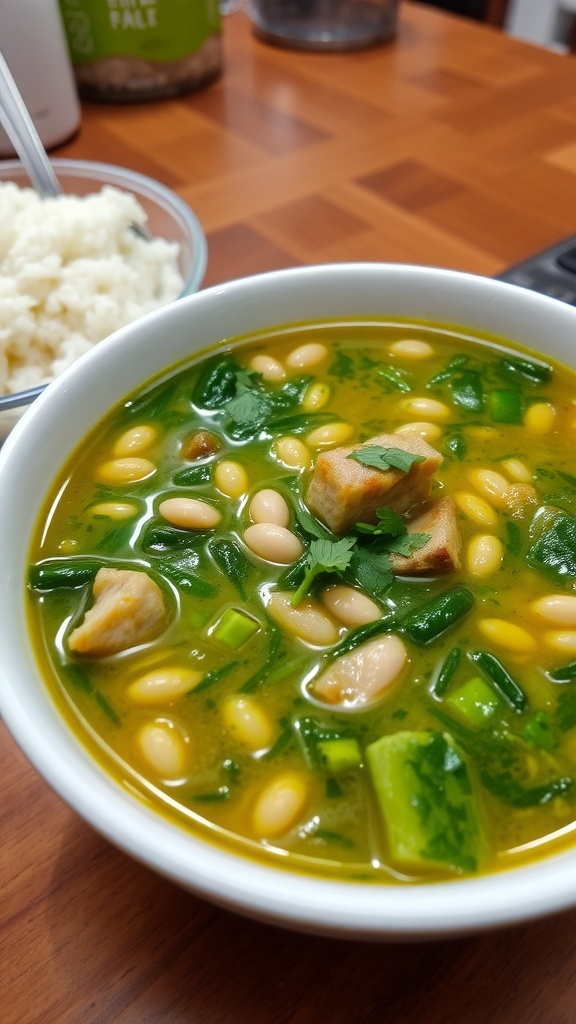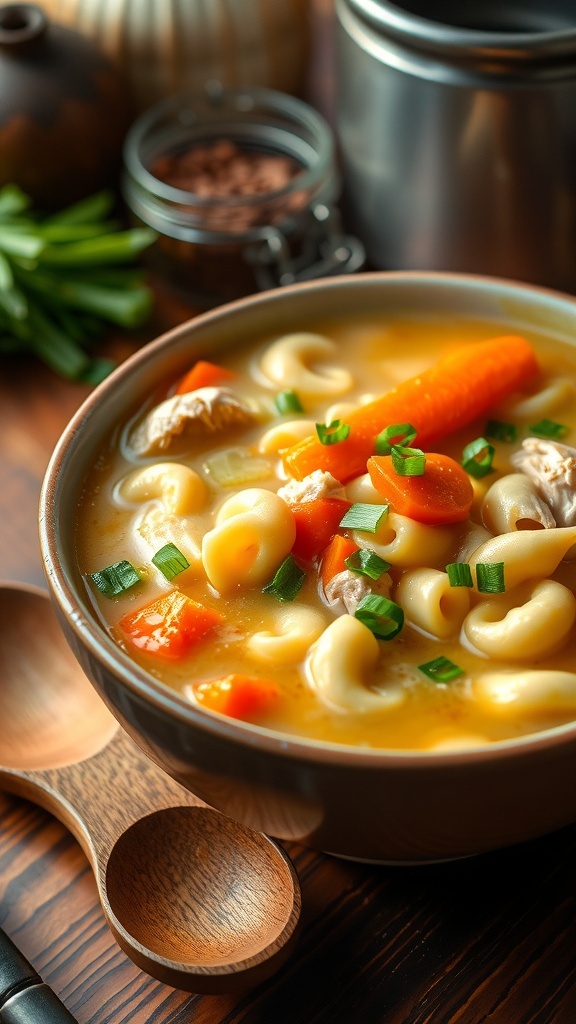
As we welcome the New Year, finding a cozy, comforting dish to start the day feels just right. Viral Italian Penicillin Soup has gained attention as a nourishing and flavorful meal that fits perfectly on a chilly winter morning.
It combines tender chicken, fresh vegetables, and small pasta like pastina in a rich broth. Each spoonful brings warmth, comfort, and maybe a little hope that you’ll finally keep your resolutions this year.
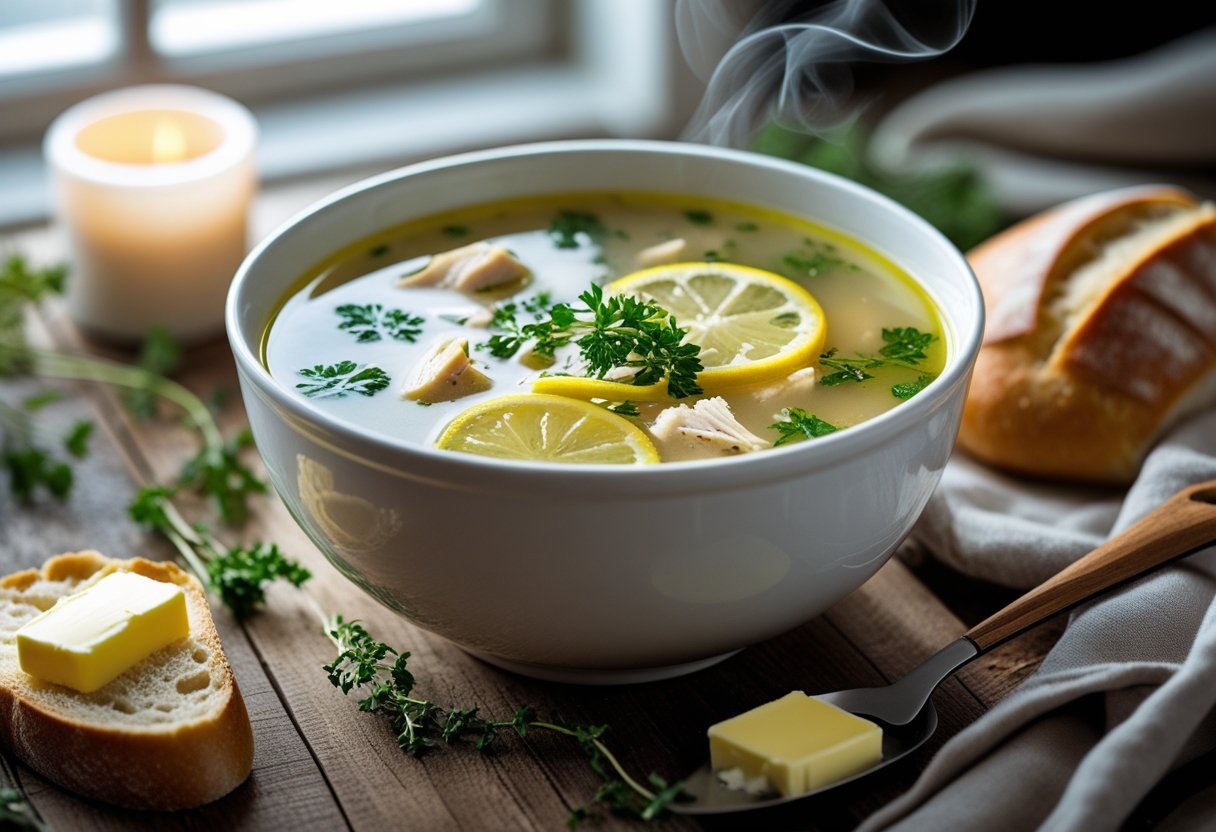
This soup is both easy to make and packed with nourishing ingredients that help soothe the body and lift the spirit. Its blend of herbs and garlic adds depth, while the bright lemon zest brings a fresh finish.
We know that after holiday celebrations, many of us crave a meal that feels like a gentle reset. For those who want to try this classic comfort food, it’s both a treat and a remedy.
Learn how to bring this modern classic to your kitchen and start your year with a cozy, flavorful boost. For more on this warming recipe, visit Italian Penicillin Soup from Delish.
What Makes Italian Penicillin Soup a Viral New Year’s Morning Choice
This soup stands out for its easy preparation and comforting flavors. It quickly became popular online for those looking for a nutritious, soothing start to the year.
Origins and Growth of the Viral Trend
Italian Penicillin Soup, often called Chicken Pastina Soup, has roots in Italian home cooking. It’s traditionally served to the sick or during colder months.
Its simple ingredients—chicken, vegetables, and tiny pastina pasta—reflect old-fashioned, humble recipes meant to nourish and heal. The recipe gained new life on social media platforms like Instagram and Reddit, as people shared versions of their Nonna’s recipes.
Videos of the soup on sites like Yahoo and AOL have attracted millions of views, boosting its status as a trendy comfort food. Its viral rise in 2025 was fueled by easy step-by-step guides and the soup’s reputation as an immune-supportive dish.
The online popularity led to widespread adoption as a go-to winter and New Year’s meal. Who knew chicken soup could become an internet celebrity?
Italian Penicillin Soup vs. Classic Chicken Soup
While both are comforting chicken soups, Italian Penicillin Soup offers a distinct texture and flavor. The small pastina pasta creates a silky, risotto-like feel that sets it apart from the usual noodles or dumplings.
The soup’s broth is often enriched with blended vegetables like carrots, celery, and onions, giving it a thicker, more flavorful base. Parmesan cheese and olive oil add depth and richness not always found in traditional chicken soups.
Its versatility also makes it stand out. You can easily add herbs, lemon, or even a dash of Calabrian chili paste if you’re feeling adventurous.
Ideal Flavors and Comfort for New Year’s Mornings
The gentle blend of sautéed garlic, tender vegetables, and warm chicken offers a soothing start to chilly New Year’s mornings. The richness of Parmesan and fresh herbs like parsley balances the soup’s comforting simplicity.
We appreciate how the soup can be made quickly but feels special enough for a holiday. Its nourishing qualities provide energy and hydration, which are often needed after festive celebrations (or, let’s be honest, a little too much bubbly).
Because it is both light and filling, Italian Penicillin Soup fits perfectly into the slower pace of New Year’s Day. The warmth and familiar flavors bring comfort, encouraging rest and renewal as the year begins.
For more details, see the recipe’s rise on Yahoo.
How to Prepare Cozy Italian Penicillin Soup at Home
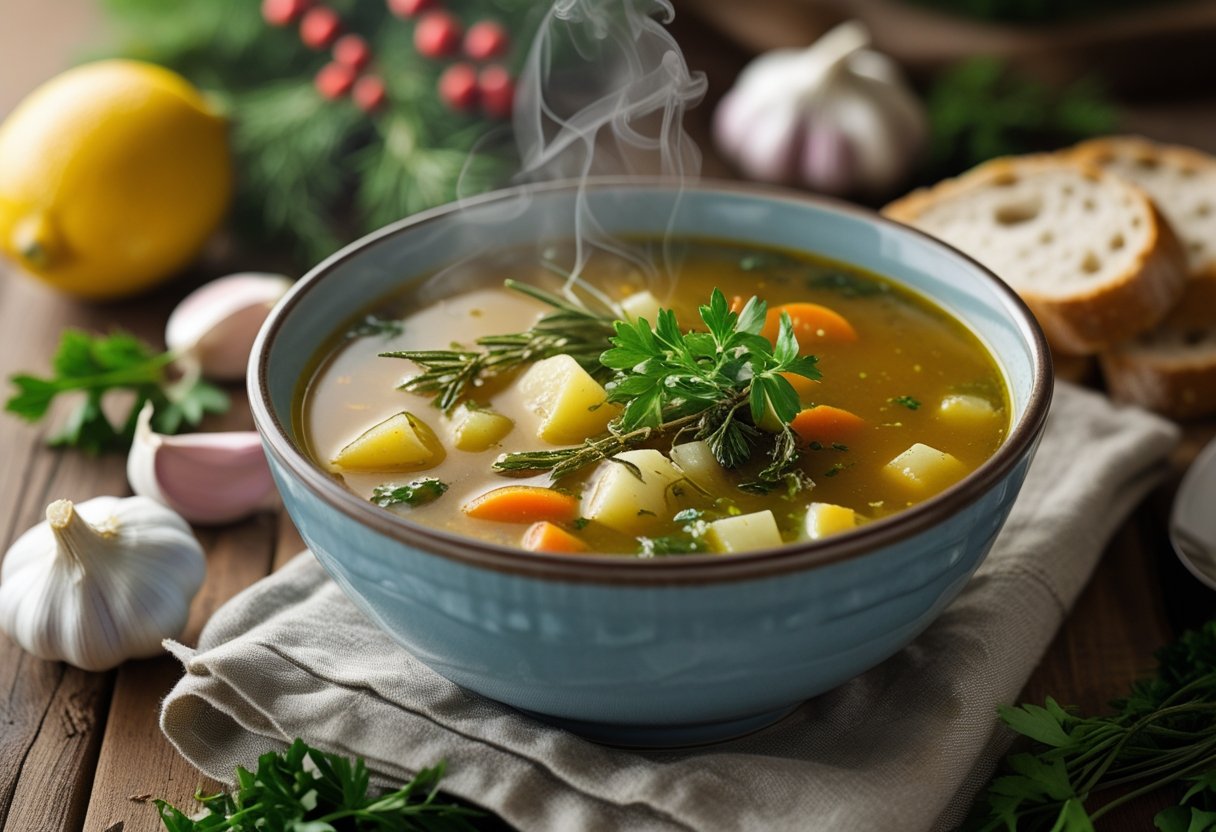
Creating Italian Penicillin Soup involves selecting the right ingredients and following clear cooking steps. The process is straightforward, making it easy for us to enjoy a warm, comforting meal on a chilly morning.
Key Ingredients for Authentic Flavor
The backbone of this soup is a rich, homemade chicken broth. We recommend using fresh chicken, carrots, onions, and celery to create a broth full of natural flavor.
Tiny pasta called pastina, especially the star-shaped stelline, adds that authentic touch and texture. Other essentials include a pat of butter and freshly grated Parmigiano Reggiano cheese, which bring richness and depth.
Some recipes add an egg stirred in to give extra creaminess. Fresh herbs like parsley can brighten the taste without overpowering it.
If fresh ingredients aren’t available, a high-quality store-bought broth works as a base. Adding frozen vegetables or blended sautéed vegetables boosts nutrition and enhances flavor.
Step-by-Step Cooking Instructions
Start by simmering the broth with aromatics like onion, carrot, and celery. This step builds a solid flavor foundation.
Next, add the pastina directly to the broth and cook until the pasta is tender but not mushy. If using chicken, cook it separately or add pre-cooked chicken near the end of simmering to warm through.
Stir in butter and grated Parmesan just before serving to melt into the soup, enriching its texture. For a thicker, smoother soup, blend some cooked vegetables and stir them back in.
Season with salt, pepper, and a squeeze of lemon to balance the richness. Voilà, you’ve got a bowl of Italian Penicillin Soup that’s good for the soul—and possibly your social feed.
Tips for Safe Ingredient Handling
Always wash your hands and surfaces before cooking. This helps prevent contamination and keeps things squeaky clean.
When handling raw chicken, use separate cutting boards. Clean your knives thoroughly to avoid cross-contamination (nobody wants a surprise guest named Salmonella).
Keep broth refrigerated until you’re ready to use it. Reheat it to a safe temperature above 165°F (74°C) so it doesn’t turn into a science experiment.
Store leftover soup in airtight containers and label them with the date. Pop them in the fridge or freezer promptly—your future self will thank you.
Use storage guidelines to reduce the risk of foodborne illness. Safety first, flavor second (but still important).
Managing personal data in connected kitchen appliances requires attention to privacy settings. Always review cookie policies and privacy dashboards when using smart kitchen tools—your soup recipe doesn’t need to go viral unless you want it to.