Tortilla Española, also called Tortilla de Patatas, is a simple yet classic Spanish dish made with just eggs, potatoes, onions, and olive oil. It’s a thick, satisfying omelette where the potatoes are cooked slowly until tender, then mixed with beaten eggs and gently fried to create a soft, flavorful dish. This recipe is popular across Spain and can be eaten hot or cold, making it versatile for any meal or snack.
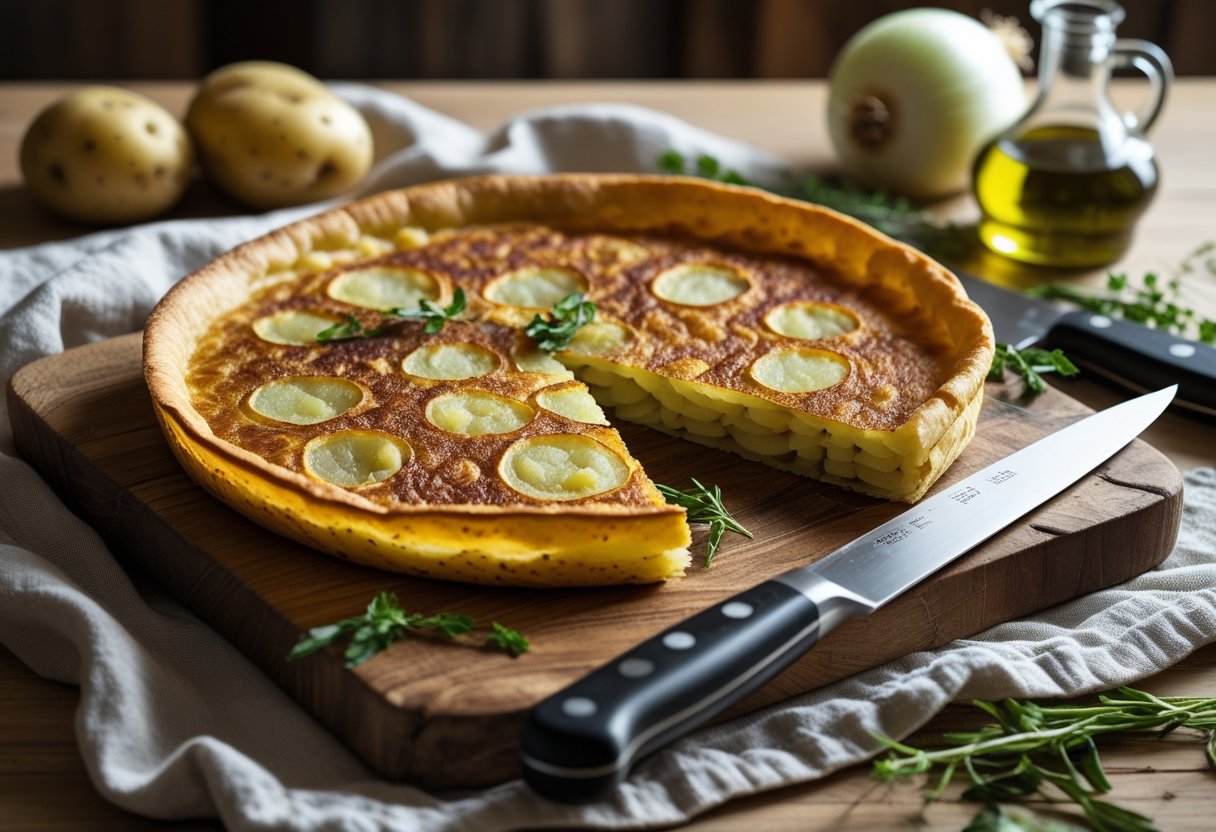
I like how easy this dish is to make, yet how much room there is for technique to bring out the best flavors and textures. The key is cooking the potatoes and onions slowly in olive oil until they’re silky soft, then mixing them with well-seasoned eggs. Flipping the tortilla carefully helps create a perfect round shape with a custardy center.
If you’re curious about making an authentic Tortilla Española at home that feels just right, this recipe will guide you through each step with clear instructions. It’s a dish that shows how a few simple ingredients, handled well, can become something special and deeply satisfying. For a more detailed recipe and tips, see this best Spanish omelette recipe.
What Is Tortilla Española (Tortilla de Patatas)?
Tortilla Española, also known as tortilla de patatas or Spanish tortilla, is a dish made mainly of eggs, potatoes, and onions. It is thick, hearty, and often served as a tapa or a full meal. The dish is simple but full of flavor and can be eaten hot, warm, or cold.
Origins and History
I found that the Spanish tortilla dates back to at least the 19th century in Spain. It began as a humble, local dish made with basic ingredients like potatoes and eggs that were easy to find. Some stories suggest it was created as a cheap, filling meal for workers or travelers.
Over time, it became a staple in Spanish homes and tapas bars. Its popularity grew because it is easy to make and versatile. The dish reflects Spain’s use of simple foods transformed into something more special. Despite its age, it remains a key part of Spain’s food culture today.
Differences From Frittata and Mexican Tortilla
Tortilla Española shares similarities with the Italian frittata, but there are clear differences. The Spanish tortilla is usually thicker and is flipped in the pan to cook both sides evenly. The frittata often finishes in the oven without flipping.
It is important to distinguish it from the Mexican tortilla, which is a flatbread made from corn or wheat. Unlike the Spanish omelet, which uses eggs and potatoes, Mexican tortillas are bread-like and serve as a wrap or base for other foods. This difference in ingredients and cooking style makes the two dishes very distinct despite sharing a name.
Role in Spanish Cuisine
In Spain, tortilla de patatas is a national favorite and appears in many meals, from breakfast to dinner. I see it served both in homes and in bars as a tapa, alongside other small dishes. It can be eaten warm or cold, making it perfect for picnics or quick snacks.
People often serve it with simple sides like salad or bread. It’s valued not only for its taste but also because it is filling and affordable. This egg and potato dish is a common choice at parties and family gatherings, showing how central it is in Spanish food traditions.
For more details about making the dish, you can check the authentic Spanish Tortilla recipe.
Essential Ingredients for Authentic Spanish Tortilla
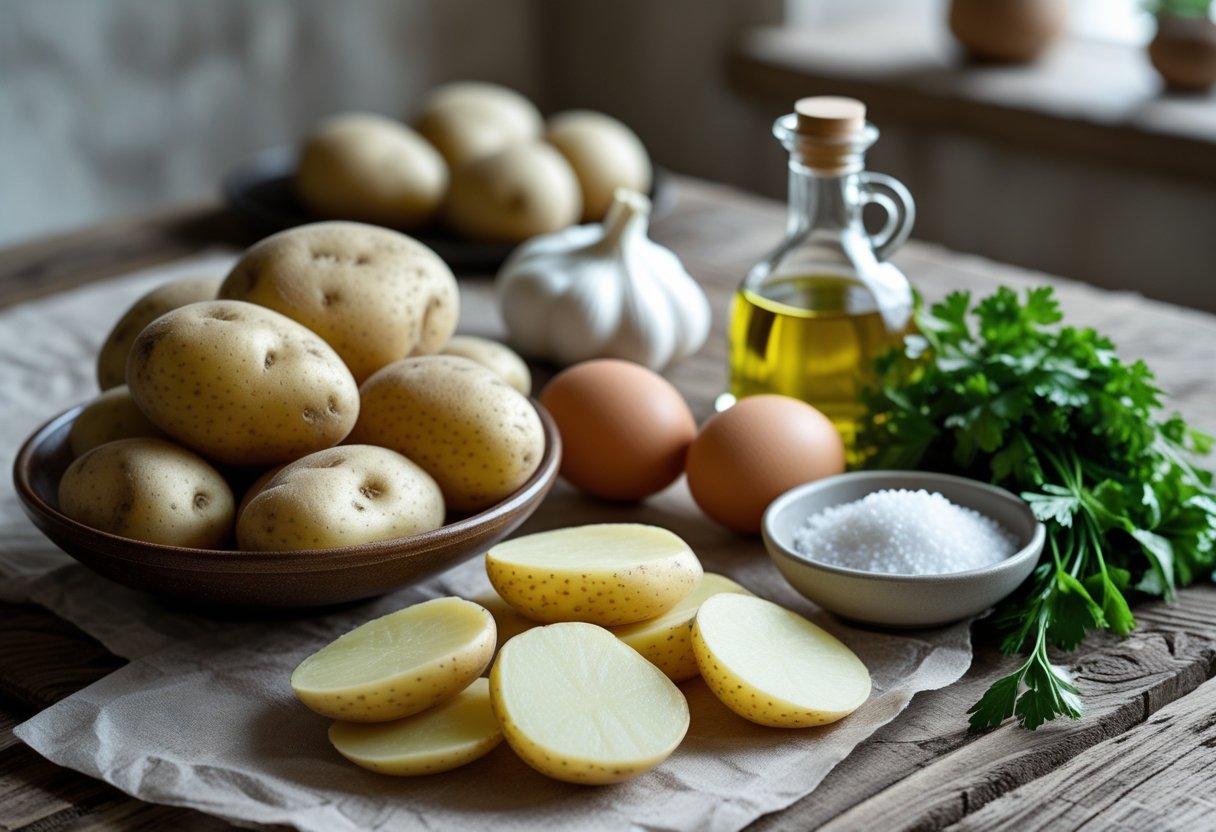
To make a true Spanish Tortilla, choosing the right ingredients is key. Each component, from potatoes to eggs and olive oil, plays a role in creating the right texture and flavor. Using the proper types and handling each ingredient with care makes a clear difference in the final dish.
Choosing the Best Potatoes
I use potatoes that hold their shape but get tender after cooking. Yukon Gold potatoes are my favorite for Tortilla Española. They have a creamy texture and slightly buttery flavor that enhances the dish. Starchy potatoes like Russets can become too soft and break apart, so I avoid them.
I peel and cut the potatoes into small cubes or thin slices, depending on the recipe. Cooking them slowly in plenty of olive oil is important to get a velvety texture without frying them crisp. Using enough oil helps keep the potatoes moist and tender.
Selecting and Using Onions
Onions add sweetness and depth to the tortilla. I prefer using large white onions or yellow onions. White onions offer a mild, slightly sweet flavor, while yellow onions bring a bit more sharpness and caramelize well.
I slice the onions thinly and cook them slowly over medium heat. This allows them to soften and caramelize without burning. If the onions start to stick or smell burnt, I add a splash of water to keep them moist and prevent bitterness. Well-cooked onions bring out a natural sweetness that balances the richness of the eggs and potatoes.
Types of Olive Oil
Extra virgin olive oil is essential for the authentic flavor of a Spanish Tortilla. It is less processed and retains natural vitamins and antioxidants. I use extra virgin olive oil not only for cooking but also to infuse the potatoes and onions with a rich, fruity flavor.
I make sure to use plenty of oil when cooking the potatoes and onions, often enough to cover them. This helps gently cook the ingredients and gives the tortilla its classic smooth texture. The leftover olive oil can be saved and reused for other recipes, so I don’t worry about using a large amount.
Eggs and Seasonings
I always use fresh eggs to get the best taste and texture. The ratio I follow is about two eggs per potato for a balanced flavor and consistency. I beat the eggs at room temperature with a pinch of salt to help the eggs hold moisture while cooking.
Salt is the only seasoning I add because the simplicity of the dish depends on letting the core ingredients shine. The salt brings out the natural flavors of the potatoes, onions, and eggs without overpowering them. This basic seasoning makes the tortilla both satisfying and true to its traditional roots.
Step-by-Step Cooking Instructions
I focus on careful preparation and gentle cooking to bring out the true flavors of the potatoes, onions, and eggs. Using enough olive oil and controlling the heat are key to making a smooth, tender Spanish tortilla. Each stage needs attention to get the right texture and taste.
Preparing the Vegetables
First, I peel and cut the potatoes into small, even cubes. This helps them cook evenly and become tender throughout. For the onion, I slice it into long, thin strips. This shape allows it to caramelize nicely without breaking down too much.
I always use fresh potatoes and a large white onion for the best flavor. Preparing these ingredients properly is important because they form the base of the tortilla. Clean cuts and consistent sizes make the cooking process smoother.
Cooking Potatoes and Onions
I heat a generous amount of extra virgin olive oil in a frying pan. The potatoes must be fully covered with oil to cook gently. I keep the heat low, which lets the potatoes soften instead of frying hard.
Once the potatoes are tender, I drain them on paper towels to remove excess oil. I then sauté the onions in a little olive oil over medium heat. I cook them slowly until they are lightly caramelized, about 15-20 minutes. To avoid burning, I add a splash of water if needed while cooking.
Mixing With Eggs
In a large bowl, I beat fresh eggs at room temperature and add a pinch of salt. Using about two eggs per potato ensures the right balance between egg and potato.
After the potatoes cool for a few minutes, I combine them with the caramelized onions and then fold them into the eggs. This mixture is left to rest for 15 minutes so the flavors blend and the eggs absorb moisture from the potatoes.
Cooking and Flipping the Tortilla
I pour the thick mixture gently into a clean frying pan set on medium-low heat. Cooking slowly for 6-8 minutes lets the bottom set without burning. I gently run a spatula around the edges to prevent sticking.
Flipping the tortilla carefully is crucial. I use a plate larger than the pan and quickly invert the tortilla onto it. Then I slide it back into the pan to cook the other side for another 6-8 minutes. The tortilla should be golden on both sides but still moist inside. I usually flip it one more time onto a clean plate and let it cool slightly before serving.
Serving Suggestions and Pairings
Tortilla Española is a versatile dish that fits many occasions and tastes. I find that knowing when to serve it, what to pair it with, and how to enjoy it differently can make the meal more exciting and satisfying.
When and How to Serve
I usually serve Spanish tortilla warm or at room temperature. It works well for breakfast, lunch, or dinner. It’s great on its own but also perfect for picnics or light meals. You can cut it into wedges or small squares for easy sharing.
For a fuller meal, serving it alongside a fresh salad or roasted vegetables balances its rich, eggy texture. Leftovers keep well in the fridge for up to three days, and I often enjoy them cold or reheated.
Popular Tapas Pairings
In a tapas setting, tortilla española pairs wonderfully with classic sides. I often serve it with patatas bravas, which add a spicy, crispy contrast. Serrano ham and olives bring salty, savory flavors that complement the mild taste of the Spanish omelet.
Chorizo and marinated artichokes also work as small plates before or alongside the tortilla. A glass of sangria or crisp white wine like Albariño enhances the whole experience.
Creative Ways to Enjoy Spanish Tortilla
Sometimes, I like to experiment with less traditional pairings. Adding garlic shrimp or grilled asparagus on the side boosts flavor and texture variety. For a fresh twist, I drizzle chimichurri or serve it with pan con tomate—crusty bread rubbed with ripe tomato.
Sweet fruits like melon or berries make an interesting balance when served after the tortilla. This flexibility turns a simple dish into a creative and complete meal. You can easily adapt it to your taste or the occasion.
For more ideas on pairing and cooking, see what works best with tortilla española.
Variations and Modern Twists
The Tortilla Española is a dish that invites creativity while staying true to its roots. Many cooks add ingredients or change techniques to suit personal tastes or regional preferences. These changes can enhance flavor, texture, and presentation without losing the dish’s identity.
Adding Red Bell Peppers and Other Vegetables
Red bell peppers add color and a mild sweetness to the classic tortilla. I often include thinly sliced red peppers sautéed with onions, which soften during cooking and blend well with the potatoes and eggs.
Other vegetables like zucchini, spinach, or even saffron can be added for a fresher, lighter version. These veggies introduce new flavors and textures, making the tortilla more complex without overpowering the traditional base.
Using varied vegetables is an easy way to personalize the dish and provide a contrast to the rich, creamy eggs and potatoes. It also adds nutritional value without changing the authentic Spanish tortilla’s essence.
Chorizo, Cheese, and Alternative Ingredients
Adding chorizo provides a smoky, savory boost that contrasts nicely with the eggs and potatoes. I prefer diced chorizo cooked until slightly crisp before mixing it into the tortilla.
Cheese like Manchego adds a nutty flavor and a creamy texture when melted inside. It works well combined with green olives or mild peppers.
For those seeking alternative ingredients, tuna or jamón serrano can be excellent protein additions. There are also vegan versions that replace eggs with chickpea flour and use plant-based oils, maintaining the dish’s spirit while accommodating dietary needs.
Regional Styles and Interpretations
Different regions in Spain have their own takes on the tortilla. For example, some areas prefer a thicker omelette with a custardy center, while others opt for a thinner, crispier tortilla.
In certain regions, onions are omitted for a simpler flavor, while in others, onions are essential. Some styles include herbs like parsley or paprika for subtle seasoning differences.
The way the tortilla is cooked and flipped also varies, showing local technique preferences. These regional styles enrich the dish and offer various authentic experiences of the classic tortilla española.
For more ideas and authentic recipes, you can explore tortilla española recipes and variations.
Storage, Leftovers, and Tips for Success
Keeping your Spanish tortilla fresh and tasty requires the right storage and reheating methods. Paying attention to these details helps preserve the texture and flavor of this classic egg and potato dish.
Storing and Freezing
I always let the tortilla cool completely before storing it. Wrap it tightly in plastic wrap or place it in an airtight container. You can keep it in the fridge for up to 5 days without losing quality.
If you want to freeze it, cut the tortilla into portions first. Wrap each piece well with plastic wrap and then place them in a freezer-safe bag. It can keep for up to 2 months in the freezer. When thawing, leave it in the fridge overnight to keep the texture intact.
Reheating Without Drying Out
Reheating tortilla can be tricky because eggs dry out easily. I recommend warming it up slowly in the oven at 250°F (120°C) for about 20 minutes. This method heats the tortilla evenly without making it rubbery.
Microwaving is faster but can lead to dry edges. If using a microwave, cover the tortilla with a damp paper towel to retain moisture.
Avoid reheating on high heat in a pan, as this cooks the outside too fast and can make the inside tough.
Troubleshooting Common Mistakes
A common error is overcooking the tortilla, making it dry and hard. I watch the cooking time closely—usually 8 to 10 minutes per side for a firm finish, or less if you prefer softer eggs.
Another issue is uneven cooking due to potato slices not being uniform. I make sure to slice potatoes evenly and thinly for consistent texture.
Finally, too much oil can make the tortilla greasy. I drain excess olive oil from the potatoes before mixing with eggs to keep the dish balanced.
You can find more tips on how to make and store authentic Spanish tortilla on this Spanish Tortilla Recipe page.