If you’ve ever wanted to try making smoked salmon at home, you’re in the right place. Smoked salmon is simple to prepare when you have the right ingredients and follow a few easy steps.
With just a bit of patience and care, you can enjoy tender, flavorful salmon that’s perfect for breakfasts, salads, or snacks.
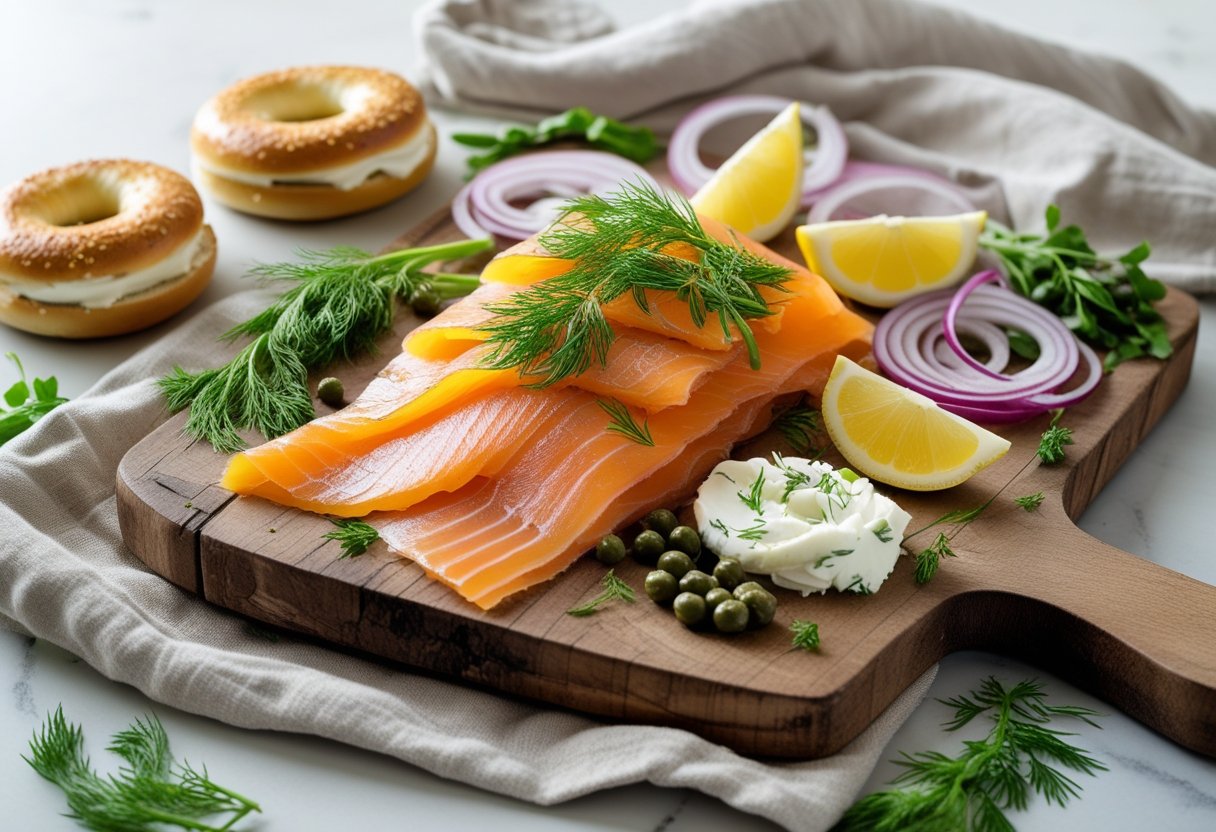
We’ll walk you through choosing the best salmon, making a tasty brine, and smoking it to golden perfection. Smoking your own salmon lets you control the flavor, moisture, and texture exactly how you like it.
Plus, it’s a fun way to impress family and friends with something homemade and delicious.
Whether you have a smoker or just want to learn the basics, we’ll share tips that work for all skill levels. Let’s get started on making your own smoky, silky salmon that you’ll want to serve again and again.
Key Takeaways
- Good smoked salmon starts with simple, fresh ingredients.
- Proper preparation boosts flavor and texture.
- Smoking salmon is easy with step-by-step guidance.
Essential Smoked Salmon Ingredients & Preparations
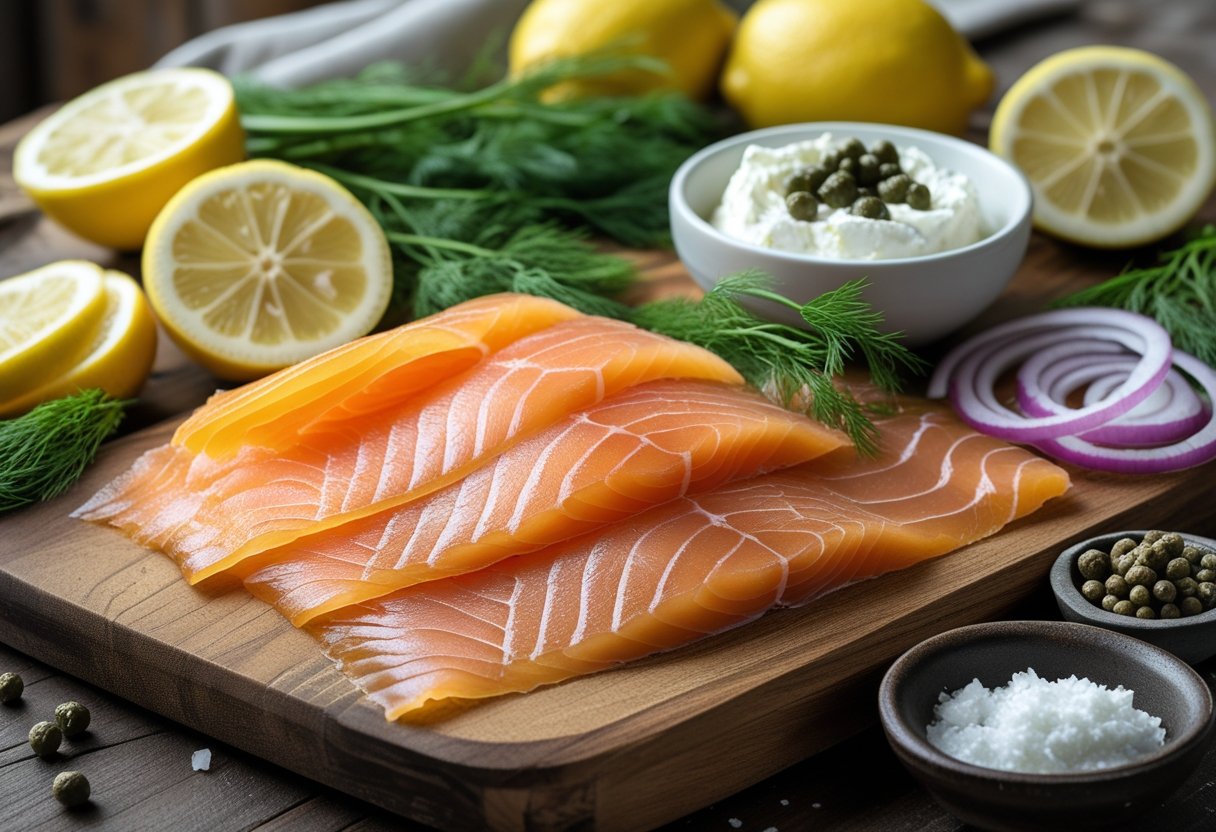
To make delicious smoked salmon, choosing the right type of salmon and knowing how to prepare it are key. Our process includes selecting the best fish, deciding on the brining method, and adding flavors that complement the natural taste of the salmon.
Types of Salmon for Smoking
We prefer using fresh, high-quality salmon fillets for smoking. King salmon (also called Chinook) is rich and fatty, giving a buttery texture.
Sockeye salmon has a deep red color and strong flavor, which stands out well after smoking. Coho is milder but still flavorful.
Wild-caught Pacific salmon is often better than farm-raised Atlantic salmon because it has a firmer texture and a richer taste. When choosing fillets, we look for bright color, firm flesh that bounces back when pressed, and no fishy smell.
Skin-on fillets work best since the skin helps keep the fish moist while smoking. We usually go for pieces around 2-3 pounds for the right balance of flavor and size.
Brining Salmon: Dry vs Wet
Brining helps season the salmon and keeps it moist during smoking. We can use either a dry brine or a wet brine.
A dry brine uses kosher salt and brown sugar sprinkled directly on the salmon fillet. This method is simpler and gives a firmer texture.
We rub the mix gently all over the salmon and let it rest in the fridge for a few hours. Wet brining involves soaking the salmon in a salt and sugar water solution.
This takes a bit longer but ensures even seasoning. We like adding extras like soy sauce or maple syrup to the wet brine for extra flavor.
Both methods draw moisture from the fish and season it, but the wet brine usually creates a softer texture. Timing is important—3 to 8 hours works well for most fillets.
Key Flavors and Seasonings
We keep our flavors balanced to enhance, not overpower, the salmon’s natural taste. Kosher salt and brown sugar are the base for seasoning, delivering the perfect salty-sweet mix.
To add depth, we use flavor boosters like garlic powder, maple syrup, and sometimes a light brushing of olive oil or butter. These help caramelize the salmon’s surface when smoked.
Fresh herbs like dill or a pinch of black pepper can be added for subtle complexity. Lemon zest gives a nice brightness but should be used sparingly to avoid masking the smoky flavor.
We avoid heavy or sharp spices so the salmon remains tender and flavorful after smoking.
Step-by-Step Smoking Salmon at Home
Smoking salmon well means paying close attention to your smoker setup, controlling the temperature and time, and knowing how to finish your fish for the best taste and texture.
Getting these details right ensures a delicious smoked salmon every time.
Preparing the Smoker and Wood Chips
First, we need to prepare our smoker. Whether using an electric smoker, a Traeger, or another type, preheating it to the right temperature is key.
For hot smoked salmon, we aim for about 120-180°F. For cold smoked salmon, keep it between 75-85°F, but note this takes longer.
Next, choosing the right wood chips affects flavor. Applewood and alder are great choices for salmon because they add a mild, sweet smoke without overpowering.
Soak wood chips for about 30 minutes beforehand to help create steady smoke. We place the salmon skin-side down on the smoker racks, letting space around each fillet for proper smoke flow.
Using a meat thermometer helps us monitor the internal temperature along the way.
Smoking Times and Temperatures
How long to smoke salmon depends on whether we are hot or cold smoking. Hot smoking usually takes 2 to 4 hours, targeting an internal temperature of 145°F to ensure the fish is safely cooked.
Cold smoking is much slower, often 12 to 24 hours at lower temperatures. This method keeps the salmon silky and tender but needs careful control to avoid unsafe conditions.
Using a reliable thermometer is essential during smoking. We check the internal temperature regularly and adjust the heat on our electric smoker or Traeger to keep it steady.
Finishing and Storing Smoked Salmon
After smoking, let the salmon cool completely at room temperature. This helps the smoke flavor settle in and gives the texture a chance to firm up.
To store your masterpiece, keep smoked salmon in the fridge for up to 10 days. Just make sure it’s wrapped tightly in plastic wrap or stashed in an airtight container.
Want to save some for later? Freezing smoked salmon works like a charm. Wrap it up well and it’ll stay tasty for up to three months.
Smoked salmon is at its best when served cold or at room temperature. Reheating is possible, but beware—it might mess with the texture, so we usually skip that step.