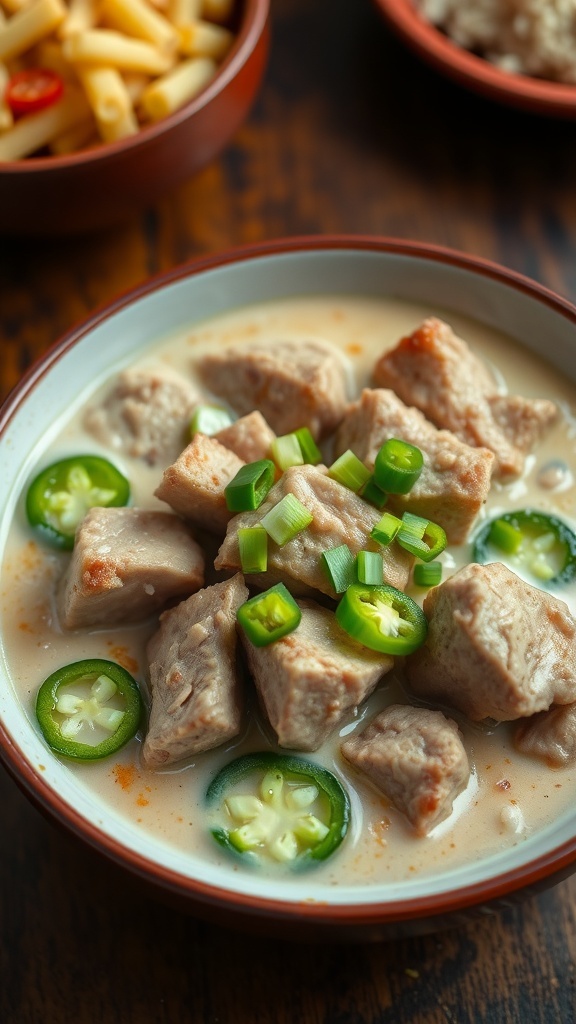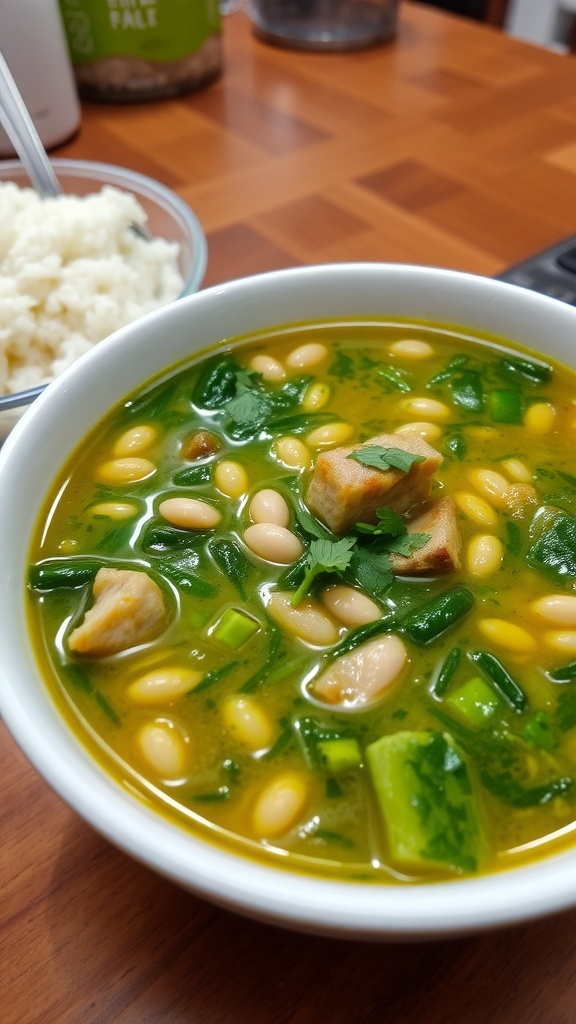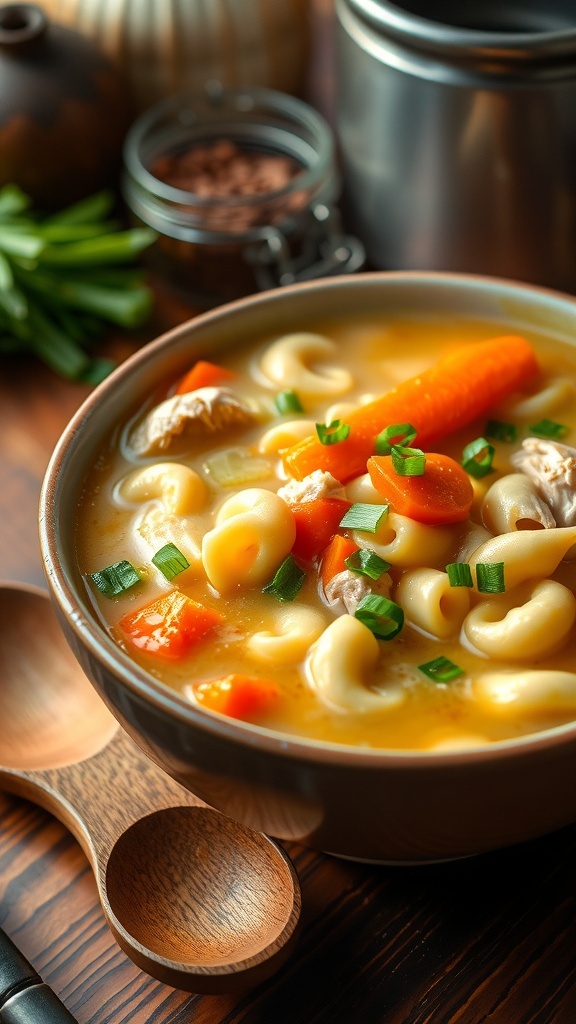
When we want a warm, satisfying meal with little fuss, slow cooker venison stew fits the bill perfectly. It combines tender, flavorful venison with fresh vegetables and a rich broth.
This recipe lets us cook the meat low and slow, ensuring it becomes tender while the flavors fully develop.
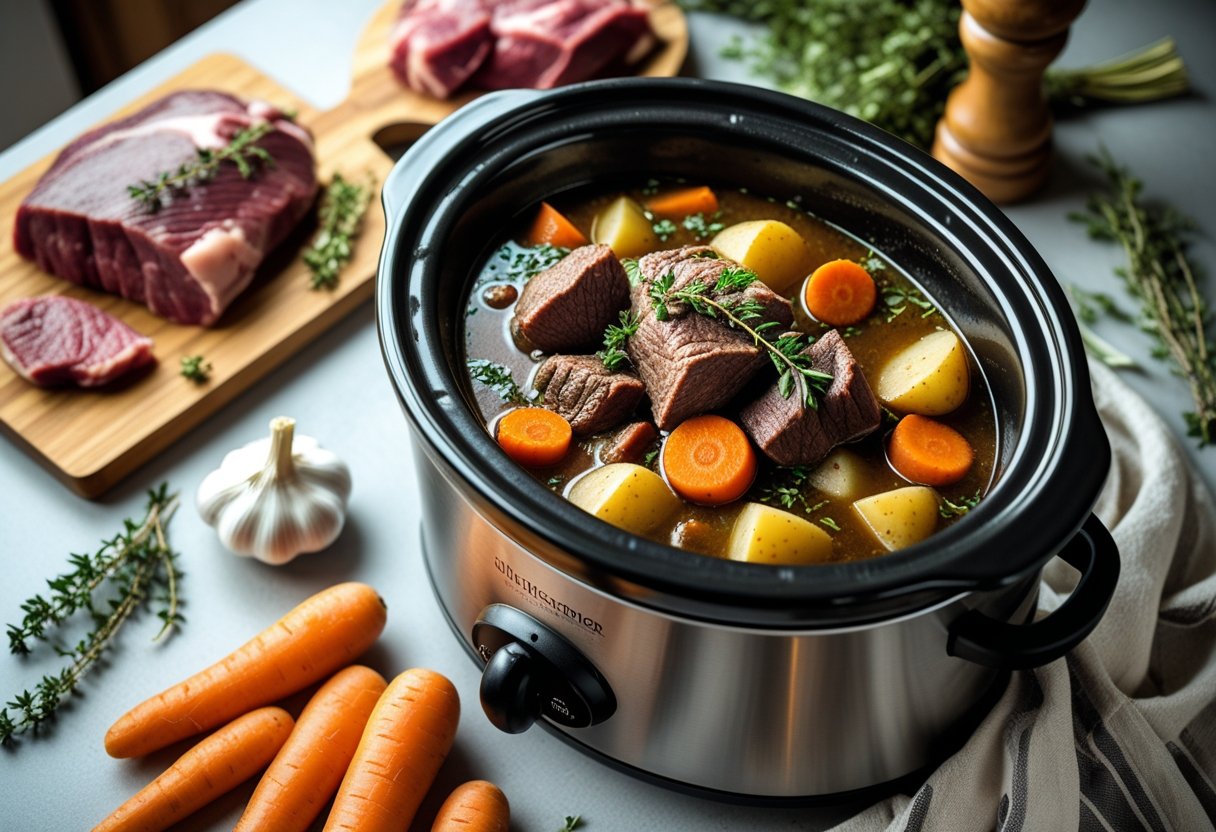
Using a slow cooker means we can set it up in the morning and come home to a ready-to-eat dinner. The blend of red wine, herbs, and Worcestershire sauce helps balance the natural gamey taste of venison.
This makes the stew enjoyable for both seasoned venison lovers and those new to wild game. We also like how simple ingredients come together to create a meal that feels special but doesn’t demand hours of hands-on time.
Whether you’re cooking for family or friends, this slow cooker venison stew is a reliable way to serve up warmth and comfort. For a detailed recipe, visit this slow cooker venison stew recipe.
Essentials of Slow Cooker Venison Stew
Making a rich slow cooker venison stew means choosing the right cuts of meat, adding the right vegetables and herbs, and creating a flavorful base with stocks and seasonings. Each part plays a key role in the taste and texture of the stew.
Choosing the Best Venison Cuts
For a tender, flavorful venison stew, we prefer cuts like shoulder, shank, and neck. These parts have plenty of connective tissue that melts down during slow cooking, turning tough meat into soft, fork-tender pieces.
Using these cuts also helps build a rich, silky gravy. Avoid lean cuts like backstrap or tenderloin because they dry out easily and lack the collagen that thickens the stew.
When cutting the meat, aim for cubes around 1.5 to 2 inches. This size keeps the meat juicy and allows it to cook evenly in the slow cooker.
Key Vegetables and Aromatics for Flavor
To bring out classic stew flavors, we add vegetables like carrots, onions, celery, and gold potatoes. These root vegetables hold up well during long cooking and add natural sweetness and texture.
Garlic cloves and tomato paste help deepen the flavor. The tomato paste, sautéed briefly before slow cooking, also adds color and rich umami.
We season early with things like seasoned salt, paprika (both smoked and sweet), and herbs like rosemary, thyme, and bay leaf. These aromatics give the stew an earthy, warm character that complements the venison.
Building the Stew Base: Stocks, Wine, and Seasonings
The liquid base is important for a slow cooker venison stew’s flavor and texture. Using beef stock or venison stock provides a strong, savory foundation.
To brighten the stew, adding up to a cup of red wine or Worcestershire sauce works well. When searing the meat, we always deglaze the pan with stock or wine to capture those browned bits, which add a lot of taste to the broth.
We add enough liquid just to cover the ingredients to keep the stew thick and rich. During or after cooking, we might thicken the stew with a flour and butter mixture or a cornstarch slurry to get that perfect gravy consistency.
Step-by-Step Guide to Making Slow Cooker Venison Stew
To make a rich and tender slow cooker venison stew, we focus on careful preparation, proper layering of ingredients, controlled cooking times, and final seasoning adjustments. These elements ensure the meat is flavorful and the vegetables maintain their texture.
Preparation and Searing Techniques
First, we trim any excess fat or connective tissue from the venison. Cutting the meat into 1-2 inch bite-sized pieces helps it cook evenly.
Next, seasoning the venison with salt, pepper, and herbs like thyme or rosemary adds depth. Before adding the meat to the slow cooker, we sear it in a hot pan with oil.
Browning the venison on all sides for 2-3 minutes locks in flavor and improves texture. After searing, we deglaze the pan using red wine or beef broth to lift the tasty browned bits.
This liquid often becomes part of the stew base, adding richness.
Layering Ingredients for Optimal Texture
In the slow cooker, we add root vegetables first. Potatoes, carrots, onions, and celery form a sturdy base that can handle long cooking without turning mushy.
Next, we pour in liquids like beef broth and red wine, combined with tomato paste and seasonings. This balances acidity and gives the stew a silky gravy.
Finally, the browned venison goes on top of the vegetables and liquids. This layering lets the meat slowly tenderize while absorbing the flavors of the broth and herbs.
We stir everything gently to combine but avoid overmixing, which could break down the vegetables too soon.
Slow Cooking: Timings and Temperature
For our venison stew recipe, cooking on low heat for 8 to 10 hours is ideal. This slow process softens tough cuts like shoulder or shank and allows flavors to meld fully.
If pressed for time, cooking on high for 4 to 6 hours works, but the low setting produces the best tenderness and richness. We occasionally check the stew near the end to test the venison with a fork.
It should slide in easily, and the vegetables should be fork-tender but not falling apart. If the stew seems too thin, we can cook uncovered for a short time to thicken it or add tomato paste.
For too thick stew, adding a little broth restores the right consistency.
Finishing Touches and Adjusting Seasoning
As the stew finishes cooking, give it a taste test. You might need to add a bit more salt or pepper to get things just right.
Toss in some fresh herbs like chopped parsley or thyme to give the dish a burst of brightness.
For extra flair, add a dollop of sour cream or another sprinkle of herbs right before serving.
Serve your crockpot venison stew hot, ideally with crusty bread or a mountain of mashed potatoes. Trust us, it’s the kind of meal that makes you want to hibernate afterward.
If you’re feeling adventurous, throw in mushrooms, bell peppers, or diced tomatoes during cooking for even more flavor.