You know those potluck dishes that everyone piles onto their plate and grins about? Mormon Haystacks are that kind of meal — a build-your-own, layered plate of rice or chips topped with warm savory sauce and a mix of crunchy, sweet, and fresh toppings.
They feed a crowd, please picky eaters, and let you control every bite.
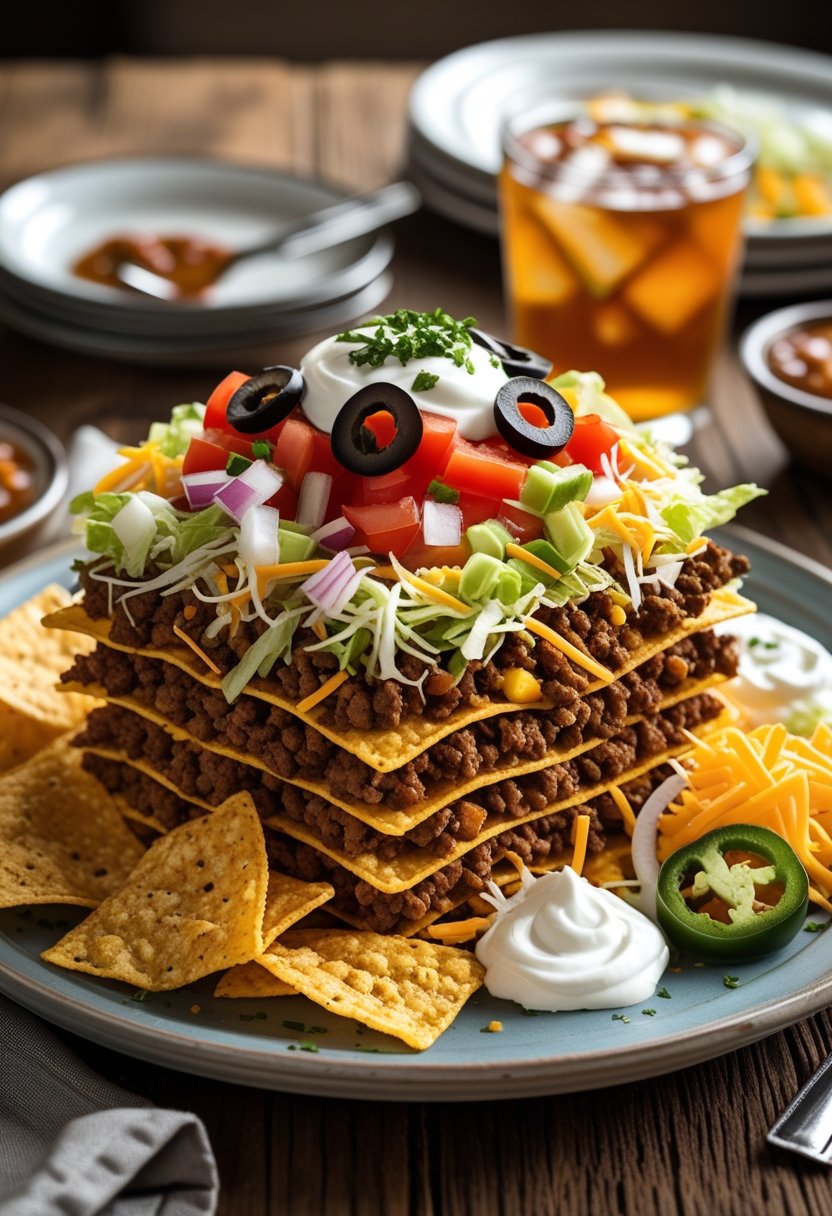
We’ll show you how the classic layers come together and what toppings work best. Expect clear steps, easy swaps for dietary needs, and tips to keep everything warm and ready for a group.
Key Takeaways
- The dish is a stackable, build-your-own meal perfect for groups.
- Simple layers and toppings let you customize flavor and texture.
- Practical tips make serving to a crowd quick and low-stress.
What Are Mormon Haystacks?
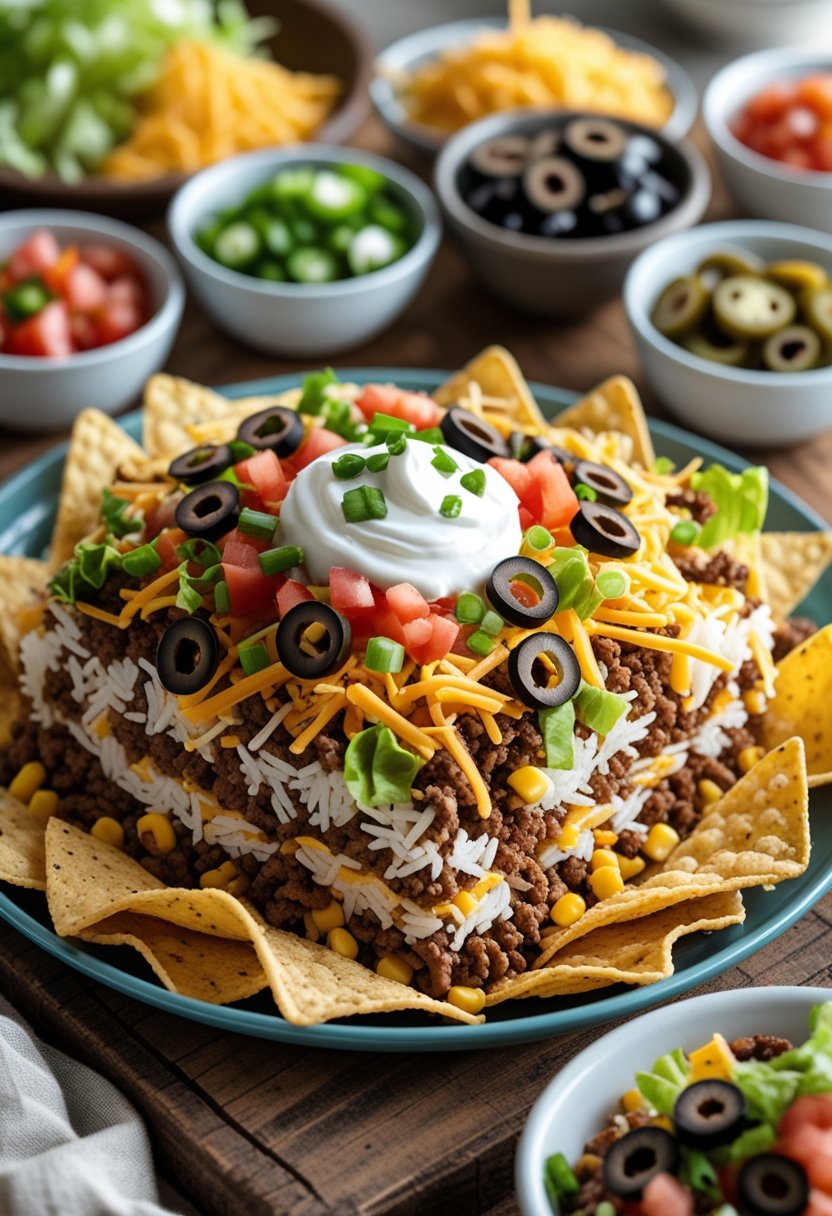
We serve a build-your-own plate that starts with a starch and ends with many toppings. The dish scales for large groups, uses simple pantry staples, and fits potlucks where quick, inexpensive feeding matters.
Origins and Cultural Significance in Utah
Mormon haystacks became common at Latter-day Saint ward potlucks in Utah after World War II. Families loved the dish because canned soups, rice, and cheeses were affordable and shelf-stable.
Relief Society cookbooks and church social meals helped spread the recipe across congregations. At youth activities and family reunions, haystacks let guests serve themselves quickly.
That ease made it a standard at funerals, ward picnics, and large gatherings where volunteers need to feed many people with minimal fuss.
Traditional vs. Modern Variations
Traditional haystacks usually start with white rice and a warm chicken-based sauce made from cream-of-chicken soup and shredded chicken.
Then come shredded cheddar, lettuce, tomatoes, chow mein noodles, and pineapple. The layers form a loose “haystack” shape on the plate.
Modern versions swap bases and sauces. We use brown rice, quinoa, or tortilla chips as alternatives.
Proteins include taco-seasoned beef, ground turkey, or vegetarian lentils. Toppings now often include avocado, black beans, salsa, and Greek yogurt.
These changes keep the potluck-friendly format while meeting dietary preferences like gluten-free or meat-free.
Comparison With Hawaiian Haystacks
Hawaiian haystacks are a specific form of the broader Mormon haystack family. The Hawaiian style almost always uses creamy chicken gravy over rice and includes pineapple tidbits and sometimes ham or Canadian bacon.
That sweet-savory profile defines the “Hawaiian” label. By contrast, the general Mormon haystack can use taco-style beef, chili, or vegetarian sauces and has a wider topping range.
Both are served potluck-style and aim to feed crowds, but the Hawaiian variant is distinct for its pineapple and consistent creamy chicken base.
For more background on the general dish and its Utah ties, see the Wikipedia entry on haystacks (food) at https://en.wikipedia.org/wiki/Haystack_(food).
Building the Classic Layered Haystack
We focus on a sturdy base, a creamy chicken layer, and crunchy and sweet toppings. Each part is easy to prep and easy to serve buffet-style.
Essential Ingredients for the Base and Protein
We start with steamed rice or chips as the foundation. Jasmine or long-grain white rice holds heat and soaks up sauces; cook 1 cup dry rice per 3 people.
For a chip base, use sturdy tortilla chips to avoid sogginess. For protein, rotisserie chicken saves time and adds flavor.
Shred a 3–4 lb rotisserie chicken to feed a small crowd. If you prefer cooked ground beef, brown and season it like taco meat.
Keep a simple gravy mix: two cans of cream of chicken soup plus 1/2–1 cup chicken broth thinned to reach desired pourable texture. Stir in 8 ounces sour cream for richness if you like a creamier sauce.
Heat until smooth and combined before serving.
Layering the Chicken Gravy and Sauce
We spoon hot rice onto each plate or mound chips on a serving tray first. Next, ladle the warm chicken gravy over the base so it soaks in but doesn’t drown crunchy toppings.
To make the gravy: combine cream of chicken soup, shredded rotisserie chicken, and chicken broth in a skillet. Heat gently, stirring until it thickens.
If you add sour cream, remove from heat briefly to prevent curdling. Keep the gravy warm in a slow cooker set low.
Layer order matters: base, gravy, then cheese so it melts slightly. We often add shredded cheddar cheese right after the hot gravy so it softens and binds the layers.
Topping Selection and Creative Add-Ons
Offer bowls of both savory and sweet toppings for build-your-own haystacks. Key crunchy items: crunchy chow mein noodles, sliced almonds or slivered almonds, and chopped celery.
These give texture against the soft rice and gravy. Fruity and creamy options work well together.
Pineapple tidbits and mandarin oranges bring sweetness. Avocado slices add creaminess.
Shredded coconut fits Hawaiian-style variations. Vegetable and garnish choices include diced tomatoes, chopped onion, water chestnuts, sliced black olives, and shredded cheddar cheese for color and flavor.
Present toppings in small bowls and label them so guests mix safely and quickly.
Popular Potluck Sides and Serving Tips
We bring simple sides that pair well and scale for crowds. Green Jell-O or a light salad like taco salad complements the heavier haystack.
Funeral potatoes or a vegetable tray serve guests who want extra comfort food or lighter bites. Set up buffet-style with plates, utensils, and napkins near the start.
Keep hot items in a slow cooker and cold toppings over ice. Provide serving spoons and small bowls for toppings to reduce cross-contamination.
Label common allergens like nuts, dairy, and shell-free options. For speed, precook rice and shred chicken the day before.
This makes assembly at the potluck fast and stress-free.
Frequently Asked Questions
We cover the exact ingredients, rice alternatives, flavor swaps for an Asian take, quick side dishes, and how to freeze, reheat, and thicken the sauce for Hawaiian haystacks. Each answer gives practical steps and measurements you can use at potlucks or family meals.
What are the essential ingredients for a traditional haystack recipe?
A classic Hawaiian haystack starts with cooked white rice as the base.
Top the rice with diced or shredded cooked chicken in a light gravy or sauce.
Add pineapple chunks, shredded cheddar, sliced celery, diced tomatoes, chopped almonds or coconut, and crunchy chow mein noodles.
Offer soy sauce, sweet-and-sour sauce, or a light brown gravy on the side for extra flavor.
Can you use an alternative to rice in a haystack dish?
Yes. We often use brown rice, jasmine rice, or cauliflower rice for a lower-carb option.
Quinoa works well for added protein and a firmer texture.
For a chip-based version, use crushed corn chips or Fritos as the base instead of any grain.
Choose the alternative that matches your guests’ diet and the textures you want.
How do I modify the traditional haystack recipe to create an Asian-inspired version?
Replace white rice with jasmine or short-grain rice and use shredded chicken tossed in teriyaki or hoisin sauce.
Swap pineapple for mandarin segments or leave fruit out for a savory profile.
Top with sliced green onions, toasted sesame seeds, shredded carrots, and pickled cucumbers.
Finish with a drizzle of soy sauce or a sesame-ginger dressing to bring the Asian flavors together.
What are some quick and easy side dishes to serve with haystacks?
Serve a simple green salad with a light vinaigrette for crunch and freshness.
Offer steamed mixed vegetables like broccoli, carrots, and snap peas for color and nutrition.
Bring a bowl of tortilla chips or a fruit platter for easy snacking.
These sides keep prep time short and balance the rich haystack toppings.
How can you freeze and reheat a Hawaiian haystack meal effectively?
Freeze the components separately for best texture: sauce or cooked chicken in airtight containers, rice in flat freezer bags.
Label and store up to 3 months for best quality.
Reheat chicken and sauce gently in a saucepan over low heat until hot.
Microwave rice from frozen in short bursts with a damp paper towel to restore moisture, then assemble with fresh crunchy toppings.
What methods can thicken the sauce used in Hawaiian haystacks without altering the flavor?
Use a cornstarch slurry: mix 1 tablespoon cornstarch with 1 tablespoon cold water per cup of sauce. Simmer until it thickens up—like magic, but tastier.
A small amount of instant mashed potato flakes (1–2 teaspoons per cup) will thicken things up without anyone noticing. Your secret is safe.
You can also reduce the sauce by simmering to concentrate and thicken it naturally. Just let it bubble away until it reaches your desired thickness.
Avoid heavy cream or strong-flavored thickeners if you want the original sauce profile to stay the same. No need to invite any flavor party crashers!