Margherita pizza is a simple but delicious classic that anyone can make at home. It uses just a few fresh ingredients—tomato sauce, fresh mozzarella, basil, and olive oil—to create a perfect balance of flavors.
Making your own Margherita pizza is easier than you might think, and it tastes amazing when done right.
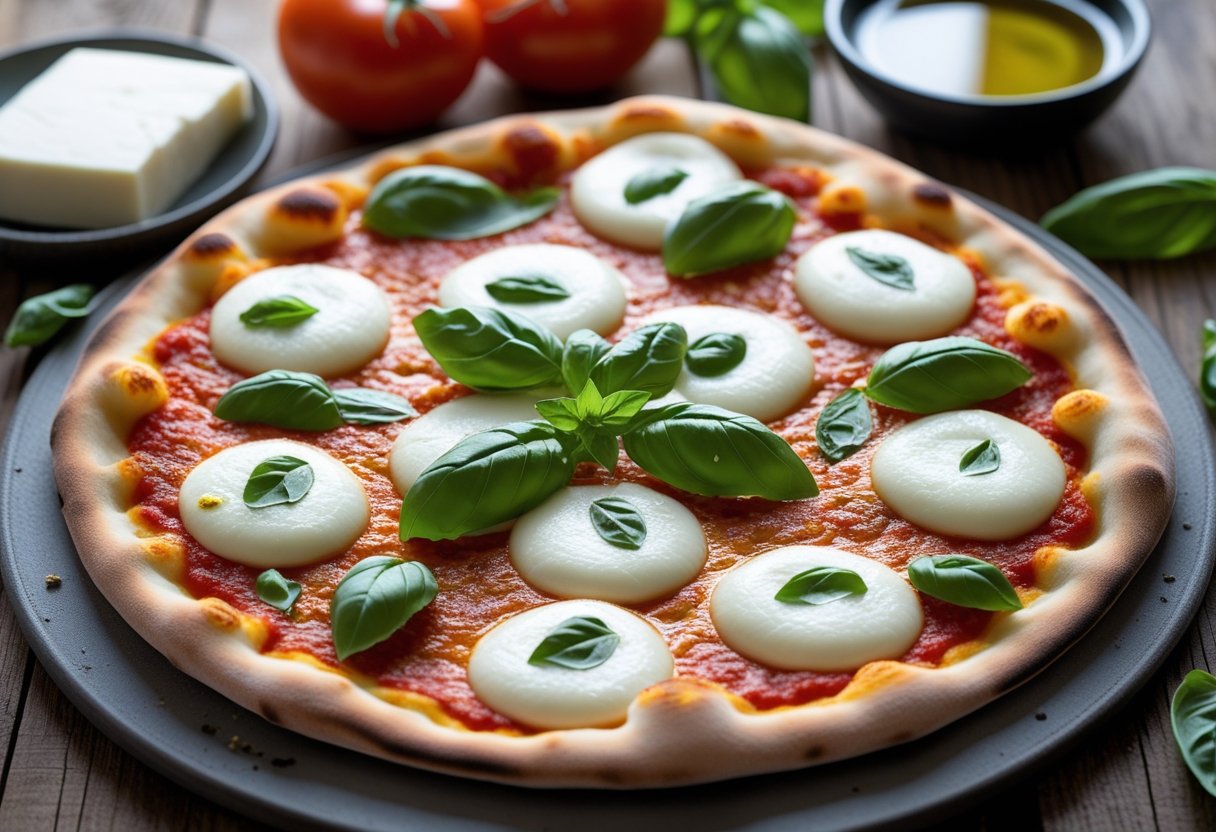
I love that such a simple recipe can deliver such a satisfying meal. With the right dough, a good tomato sauce, and fresh toppings, you’ll have a pizza that’s crispy on the bottom, bubbly on top, and full of flavor.
This recipe shows you how to make it step by step, so your pizza will come out great every time. If you’ve been wanting to try making pizza from scratch or just want a fresh, tasty meal, this will be a fun and rewarding experience.
I’ll walk you through everything you need to know to get a perfect Margherita pizza on your table.
Key Takeaways
- You only need a few fresh ingredients for a great pizza.
- The dough and cooking method are important for the right crust.
- Simple steps can help you make restaurant-quality pizza at home.
Essential Ingredients and Tools
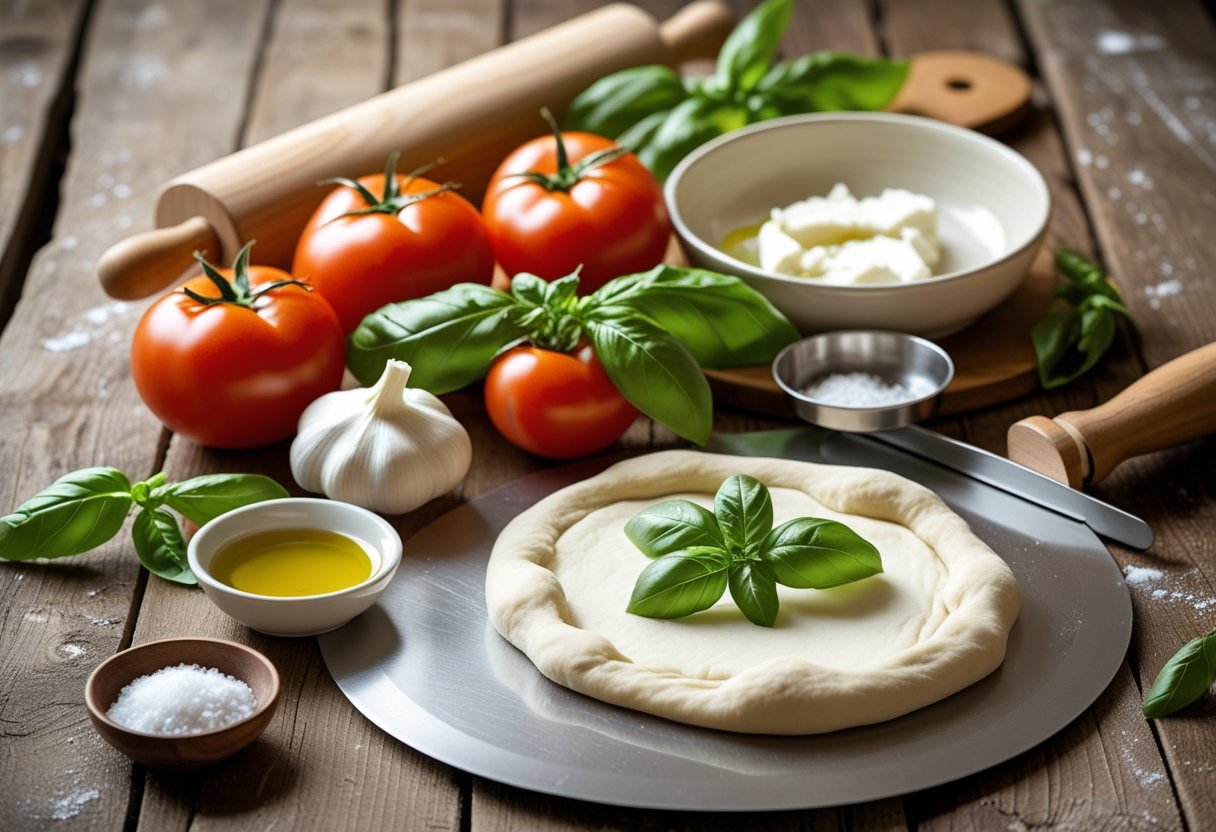
To make a tasty Margherita pizza, I focus on picking the right ingredients and using the best tools. The fresh quality of the cheese and tomatoes really stands out.
Also, having the right kitchen items helps me bake a perfect crust and add tasty toppings without hassle.
Classic Margherita Pizza Ingredients
The key to Margherita pizza is simple but high-quality ingredients. I always start with pizza dough that’s thin and chewy, either a homemade or a good-quality store-bought one.
For the sauce, I use San Marzano tomatoes or any sweet, low-acid tomato sauce. It needs to be smooth and fresh.
Then comes the cheese—fresh mozzarella is a must for its creamy, milky flavor. I add plenty of fresh basil leaves for aroma and color.
Finally, I drizzle everything with extra-virgin olive oil. A pinch of kosher salt and sometimes a sprinkle of dried oregano helps balance the flavors.
These few ingredients let the pizza’s simple taste shine.
Choosing the Best Cheese and Tomatoes
For mozzarella cheese, I prefer fresh mozzarella balls over shredded. They melt better and keep the pizza light and soft.
If fresh is not available, a good quality low-moisture mozzarella works too. Tomatoes matter a lot.
Using San Marzano tomatoes makes a big difference because they’re sweet, less acidic, and have a rich flavor. I either crush them gently or find a pure tomato sauce made from San Marzano.
This avoids any overpowering or dull tomato taste. Basil should be bright and fresh, never wilted.
Adding it right after baking keeps its smell and flavor strong.
Recommended Kitchen Tools
A pizza stone is my favorite tool because it helps create a crispy, even crust by evenly distributing heat. It mimics the traditional wood-fired oven bottom.
I also use a pizza peel to slide the pizza onto the stone safely. It’s a flat, wide paddle that makes handling the hot dough easier.
If you don’t have a pizza stone, a sturdy pizza pan works, though it won’t get quite as crispy. Other helpful tools include a small bowl for mixing sauce, a clean cloth to dust fine semolina or flour on dough, and a good-quality chef’s knife to cut the fresh basil and serve the pizza neatly.
Step-by-Step Margherita Pizza Recipe
Making a great Margherita pizza starts with good dough and fresh tomato sauce. Then comes shaping the pizza carefully and baking it at high heat.
Finally, adding fresh basil and olive oil brings the flavors together. Each step is simple but needs attention for the best results.
Making Homemade Pizza Dough
I always begin with a basic pizza dough recipe using bread or Tipo 00 flour for a smooth texture. I mix lukewarm water and active dry yeast first, waiting until the yeast foams.
Then I add flour, salt, and olive oil, mixing until the dough is elastic and slightly sticky. After kneading by hand or mixer for about 10 minutes, I shape the dough into a ball and let it rise in an oiled bowl until doubled, around 1 to 2 hours.
For even better flavor and texture, I refrigerate it overnight for cold fermentation. This step gives the crust a light, chewy feel like a true Neapolitan pizza.
Preparing Authentic Tomato Sauce
For the sauce, I use simple crushed San Marzano tomatoes because they have the perfect balance of sweetness and acidity. I season the tomatoes just with a pinch of salt, letting the natural flavor shine through.
Some fresh basil leaves gently stirred into the sauce add a nice aroma. I avoid heavy spices so the sauce stays light and fresh.
This homemade pizza sauce only takes a minute to prepare but it sets the foundation for an easy Margherita pizza with classic taste.
Assembling and Baking the Pizza
Once the dough has rested, I divide it in two and stretch each piece carefully by hand on a floured surface, leaving a raised edge for the crust. No rolling pins—just finger stretching to keep it airy inside.
I spread about half a cup of the tomato sauce onto each pizza, leaving some space at the edge. Then I tear fresh mozzarella evenly over the top and tuck fresh basil leaves both under and over the cheese.
A drizzle of extra virgin olive oil finishes the assembly. The oven should be really hot—ideally 500–550°F with a pizza stone or steel preheated for at least 45 minutes.
I bake the pizza for 7 to 9 minutes until the crust is golden and cheese is bubbly with slight charring. The high heat helps create that crisp, chewy crust Neapolitan pizzas are known for.
Serving and Finishing Touches
After baking, I let the pizza rest for a minute or two so the cheese can settle.
Then I add a few fresh basil leaves on top to keep their bright flavor and aroma, which heat can dull if added too early.
A final drizzle of extra virgin olive oil adds richness and shine.
If you like, sprinkle a little cracked black pepper for extra kick.
Slice with a pizza cutter and serve hot.
For more tips and detailed steps, check out this classic Margherita pizza recipe.