If you’re looking for a simple way to upgrade a classic sandwich, grilled vegetable pesto sandwiches are where it’s at. They’re packed with smoky, tender veggies and fresh pesto that bring a burst of flavor without being heavy.
These sandwiches are easy to make, totally customizable, and perfect for a quick lunch or casual dinner.
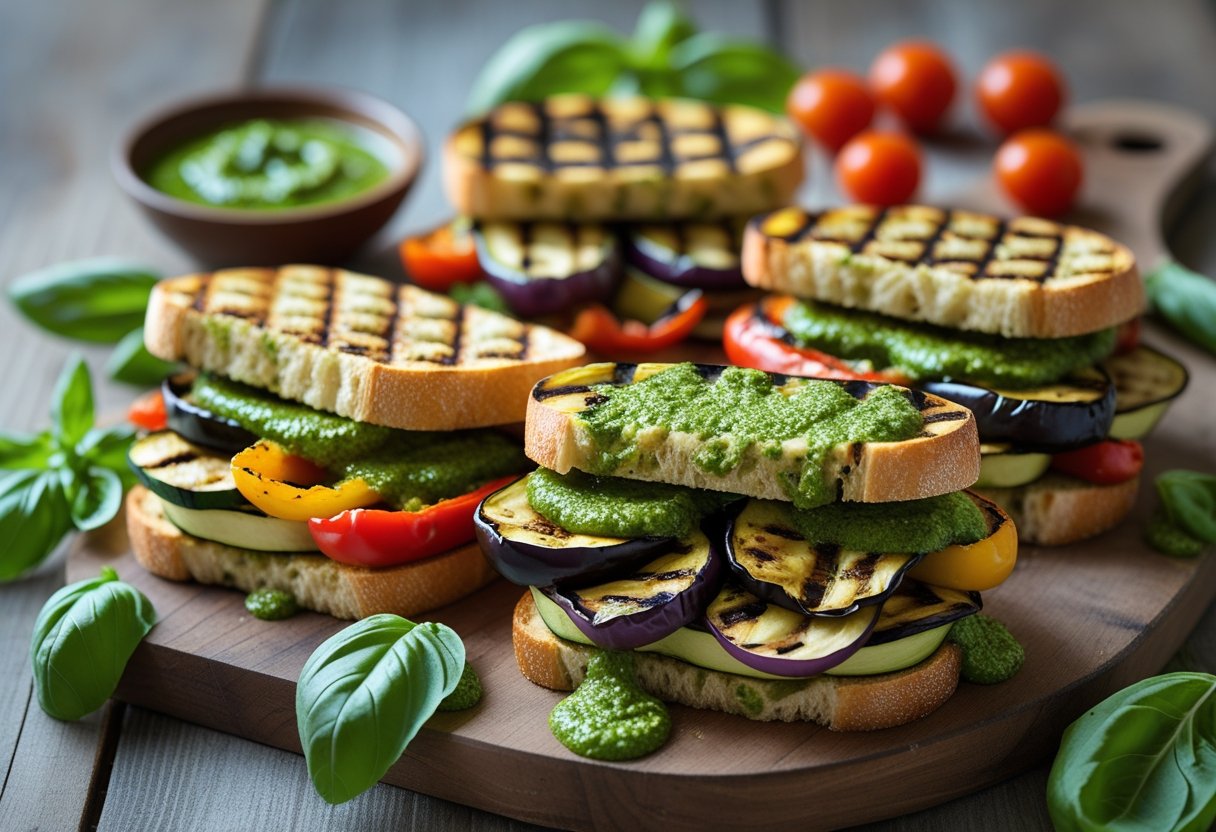
What I love most is how the mix of crisp ciabatta, melty cheese, and grilled peppers, zucchini, and onions creates such a satisfying bite every time. It’s a great way to get veggies into your meal in a way that feels indulgent, not boring.
You can make a few of these in no time, and they work just as well cold or warm. You don’t have to be a grill master to pull it off either—just some simple ingredients and a few steps.
Key Ingredients for Grilled Vegetable Pesto Sandwiches
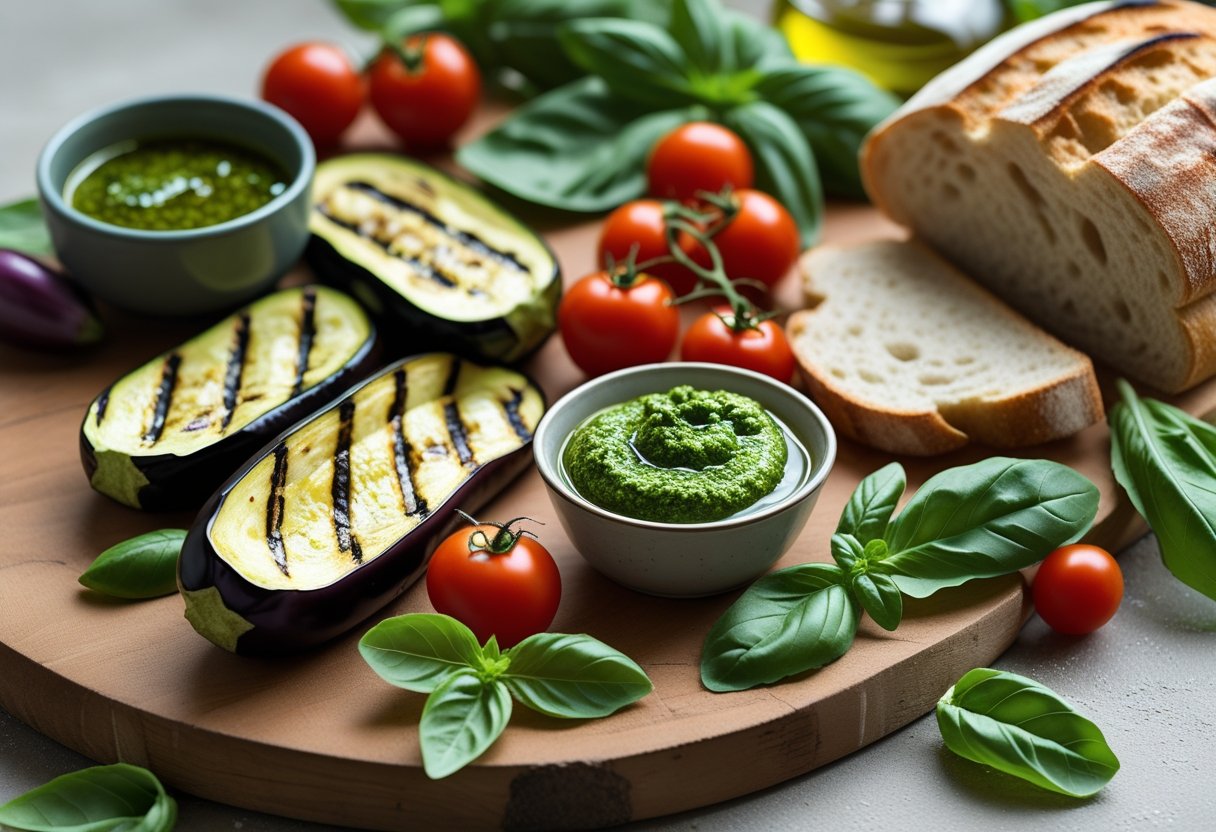
A great grilled vegetable pesto sandwich is all about balancing fresh, flavorful ingredients. Picking the right vegetables, bread, cheese, and pesto can elevate your sandwich from simple to something special.
Each element should bring its own texture and taste to the table.
Best Vegetables to Grill
For me, the best veggies to grill are zucchini, eggplant, and bell peppers—especially red bell pepper and yellow squash. These hold up well on the grill and develop a smoky sweetness that’s hard to beat.
Red onions add a nice sharpness and soften when grilled. I like to toss the veggies in olive oil, kosher salt, and black pepper before grilling to enhance their natural flavors.
Mushrooms and tomatoes work too, but I usually add those sparingly since they can get soggy. Grilling evenly on medium heat until crisp-tender, usually 3-4 minutes per side, keeps them perfectly cooked without getting mushy.
Choosing the Perfect Bread
The bread has to be sturdy enough to hold all the juicy goodness without falling apart in your hands. Ciabatta bread is my go-to because it’s chewy with a nice crust and plenty of air pockets to soak up flavors.
Sourdough is a solid alternative; it has a tangy flavor that pairs nicely with the rich, herbaceous pesto. Whatever you pick, slice the bread in half horizontally and grill the cut sides lightly with some butter or olive oil until toasted but not burnt.
This adds a crispy surface that keeps the fillings in place and adds a subtle richness.
Essential Cheeses and Add-Ons
Cheese can make or break the sandwich for me. Fresh mozzarella or provolone melts nicely and brings creaminess without overpowering the veggies.
Parmesan cheese adds a salty, nutty punch if you sprinkle some on or inside the sandwich. I also love layering fresh basil leaves on top of the grilled veggies to boost the herbal aroma.
Some people swear by adding salad greens like spring mix or arugula for crunch, which works well if you want a fresher bite. Don’t overlook garlic—it can be in the pesto or lightly rubbed on the bread for an extra savory note.
Pesto Varieties and Tips
Basil pesto is the classic choice—and for good reason. The combo of fresh basil, garlic, pine nuts, olive oil, and Parmesan cheese creates a rich, herb-filled spread that brightens the sandwich.
If you’re buying pesto, look for one with a fresh green color and a strong basil scent. Making your own can be really rewarding, and you can tweak the pine nuts or cheese amounts depending on your taste.
Spread the pesto generously on the cut bread before adding grilled veggies and cheese. This makes sure every bite is packed with flavor and keeps the sandwich from feeling dry.
Step-by-Step Guide to Making Grilled Vegetable Pesto Sandwiches
Making a grilled vegetable pesto sandwich is all about layering flavors and textures just right. From prepping the veggies to melting the cheese, each step plays a crucial role in getting that perfect bite.
I focus on seasoning well, grilling evenly, and assembling carefully.
Preparing and Seasoning Vegetables
I start by slicing zucchinis, yellow squash, red peppers, and onions into even pieces. This helps everything cook evenly.
Tossing them in olive oil is key—it keeps them juicy while grilling. For seasoning, I use salt, pepper, garlic powder, and a bit of paprika for subtle smoky flavor.
A splash of balsamic vinegar adds brightness. It’s important to coat the veggies evenly so each bite is flavorful.
Perfect Grilling Techniques
I grill the veggies on medium heat, turning every few minutes to get nice char marks but keep them crisp-tender. Around 3-4 minutes per side usually does the trick.
For the bread, I butter the ciabatta rolls and toast them cut side down on the grill for about 30-60 seconds. It adds crunch and prevents sogginess once the sandwich is assembled.
Building and Assembling Your Sandwich
I spread a generous layer of pesto on the bottom half of the toasted roll. Next, I pile on the warm grilled vegetables.
Then I add cheese—usually Asiago or mozzarella for creaminess. After the cheese, I throw on some fresh baby spinach and basil leaves.
This adds freshness and makes the sandwich feel lighter. Finally, I top with the roll crown.
Tips for Melting Cheese and Finishing
To melt the cheese perfectly, I cover the sandwich on the grill over low heat for 1-2 minutes. This traps heat and softens the cheese without burning the bread.
Once off the heat, I add any last touches like extra herbs or a drizzle of olive oil. Then it’s ready to serve immediately while the cheese is gooey and the veggies are warm.
Substitutions, Customizations, and Serving Suggestions
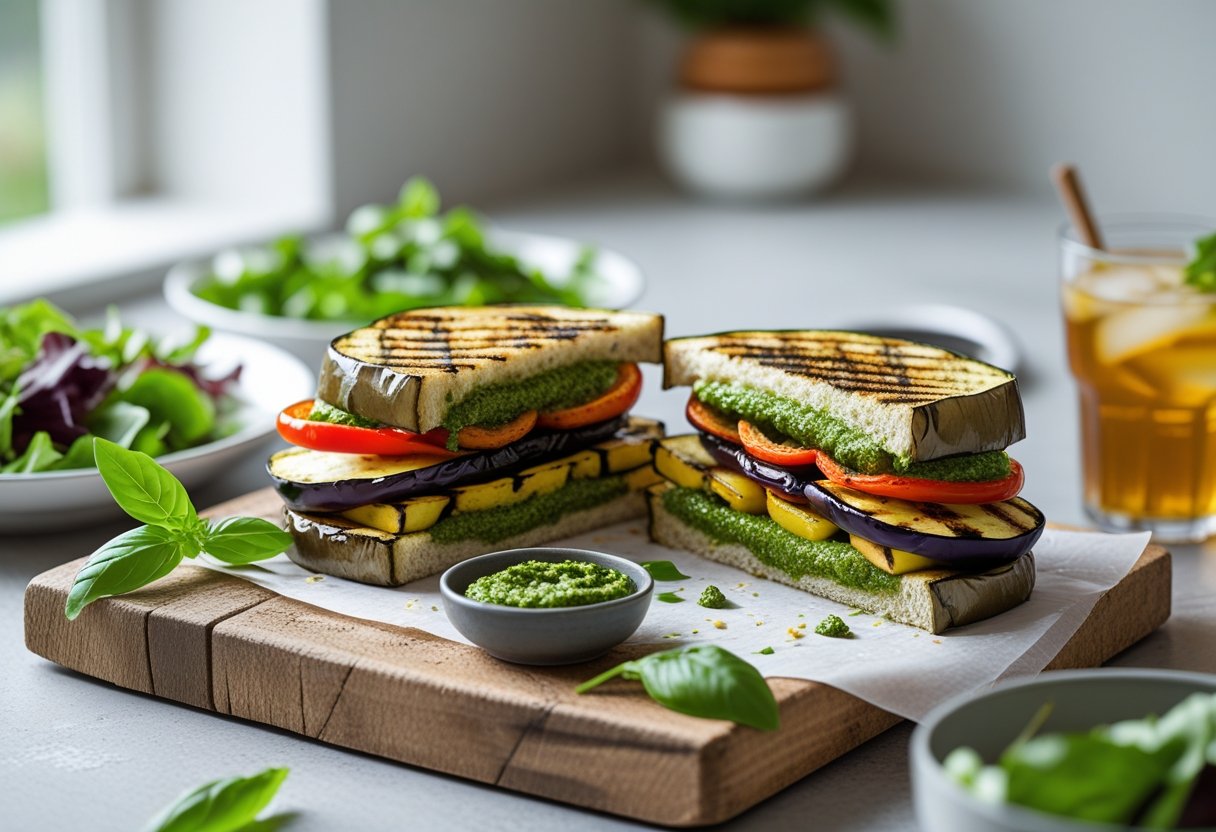
You can easily tweak this sandwich to match your taste or dietary needs. Whether it’s swapping veggies or choosing a different cheese, small changes can make a big difference.
Vegetable and Cheese Swaps
I like to switch up the vegetables depending on what I have. Instead of bell peppers and onions, sometimes I go for sliced tomatoes or baby spinach for a fresher bite.
Roasted eggplant or zucchini always work well, too. For cheese, provolone is a great alternative to mozzarella if you want something a bit milder but still melty.
Asiago or even a sharp cheddar can add more punch. Mixing a couple of cheeses together can also be fun, like provolone with mozzarella.
Vegan and Dairy-Free Options
If I’m making this sandwich vegan, I skip the cheese entirely or use a plant-based mozzarella alternative. Homemade pesto often contains parmesan, so I either make a nut-based pesto without cheese or buy a vegan version from the store.
Grilled veggies still bring tons of flavor without dairy, so I focus on seasoning with garlic, paprika, and a splash of balsamic vinegar to keep things tasty. Using olive oil or vegan butter helps toast the bread, giving it a satisfying crunch.
Serving Ideas for Any Occasion
This sandwich shines as a quick lunch but also works for parties or picnics. I sometimes pair it with a simple side like mixed greens or a light pasta salad to round out the meal.
If I want something heartier for dinner, I’ll add extra layers of roasted veggies and maybe a spread of hummus alongside the pesto. For an outdoor gathering, cutting the sandwich into smaller sliders makes it easy to share.
For more ideas, check out this detailed Grilled Vegetable Pesto Sandwiches recipe.
Meal Prep, Storage, and Leftover Inspiration
Making grilled vegetable pesto sandwiches ahead of time saves loads of stress during busy days. Knowing how to store them right keeps the flavors fresh.
Plus, leftover sandwiches are perfect for remixing into new meals that don’t feel like repeats.
Meal Prep Tips for Busy Weeks
I like to grill a big batch of vegetables—zucchini, bell peppers, onions, and eggplant all work great—and make enough pesto to last a few days. Using sturdy bread like ciabatta or sourdough helps the sandwich hold up without getting soggy.
I usually assemble the sandwiches without spreading pesto directly on the bread, to keep it from soaking in. Instead, I pack pesto on the side or layer it between the cheese and veggies.
Wrapping each sandwich tightly in foil or plastic wrap keeps everything fresh for up to three days in the fridge. If you’re making sandwiches for several meals, assembling just before eating is best.
But if you’re short on time, pre-made sandwiches stored carefully still taste great.
How to Store and Reheat Leftovers
If I have leftover grilled vegetable pesto sandwiches, storage is key. Wrap sandwiches individually in plastic or foil and place them in an airtight container or zip-top bag in the fridge.
They keep well for about 2-3 days this way. To reheat, I pop the sandwich in a toaster oven or regular oven at 350°F for 10-15 minutes.
This crisps up the ciabatta or sourdough crust and warms the filling without making it mushy. Avoid microwaving if you want to keep the bread’s texture intact.
For cold sandwiches, I make sure they’re kept chilled and enjoy them within a day. This works well for a quick lunch or picnic.
Creative Ways to Use Extra Sandwiches
Leftover sandwiches don’t have to be just reheated and eaten as-is.
I like to turn them into new dishes to mix things up.
One quick idea is slicing the sandwich and turning it into a panini with a little extra pesto and mozzarella for that melty goodness.
You can also chop leftover grilled veggies from sandwiches and toss them into a frittata or scrambled eggs—they add great flavor and texture.
Another favorite is layering the contents onto a fresh salad or grain bowl.
More tips on using leftover grilled veggies and pesto can be found at Top 10 Recipe Ideas For Leftover Grilled Vegetables and 10 Delicious Recipes For Using Leftover Pesto.