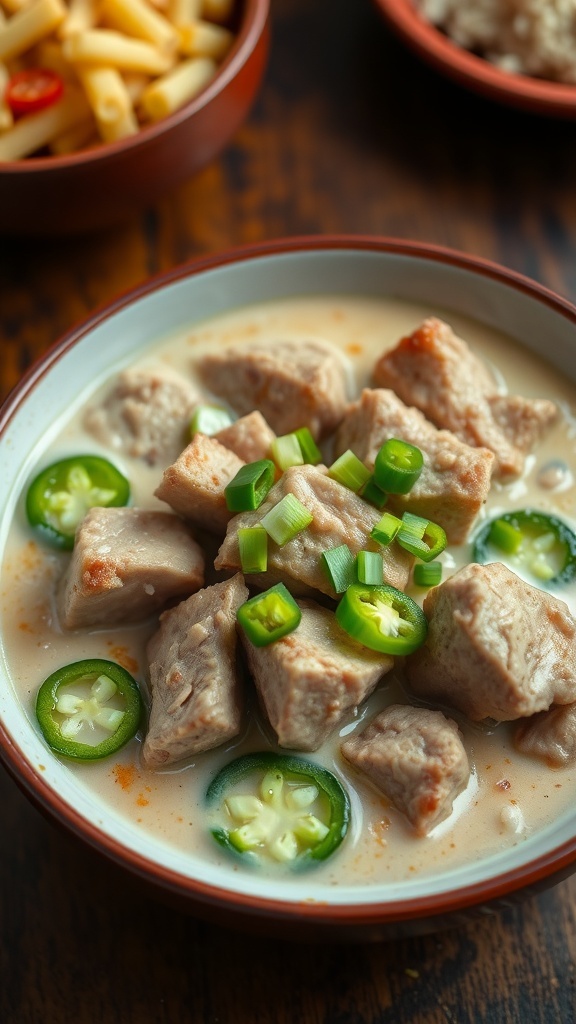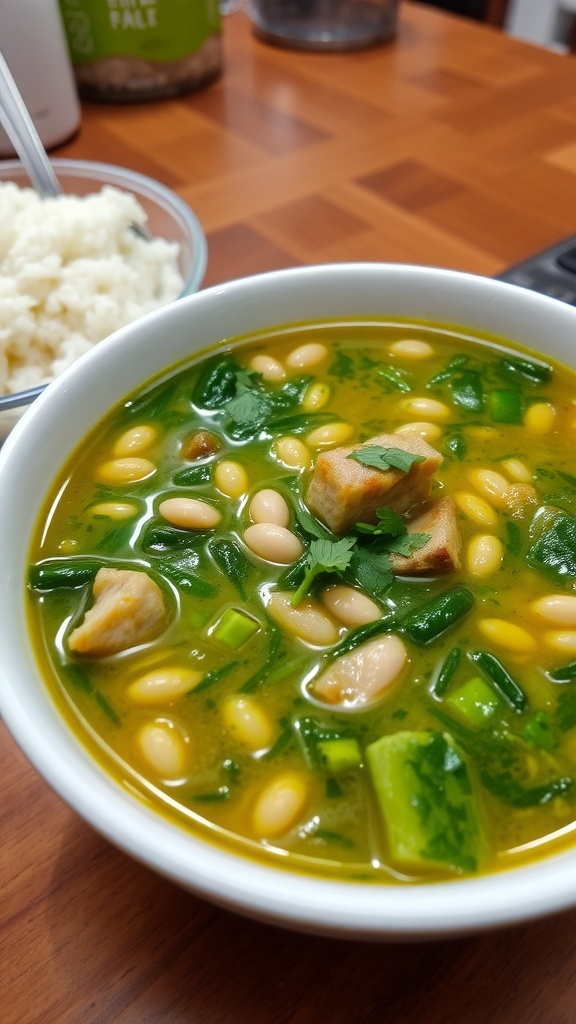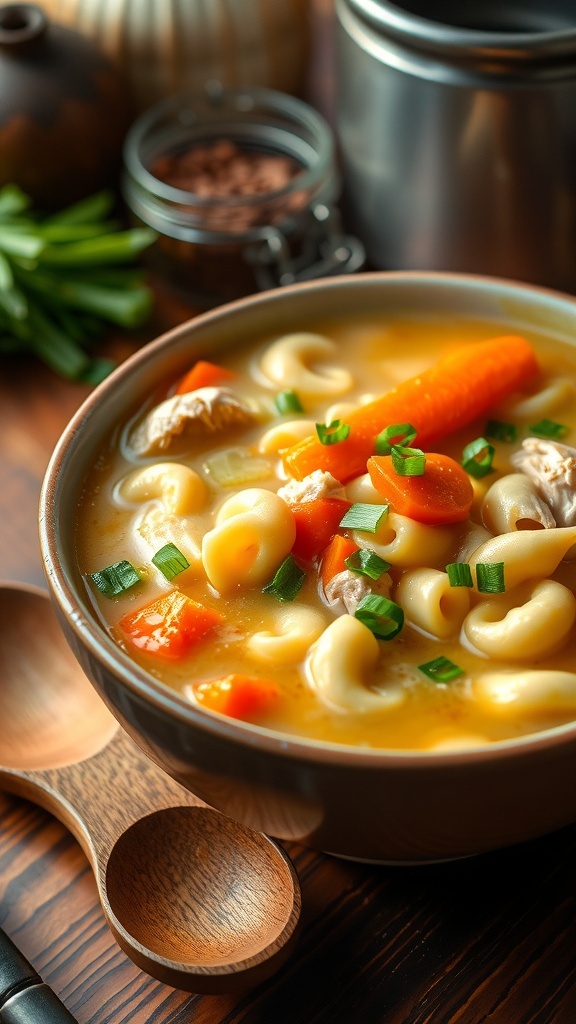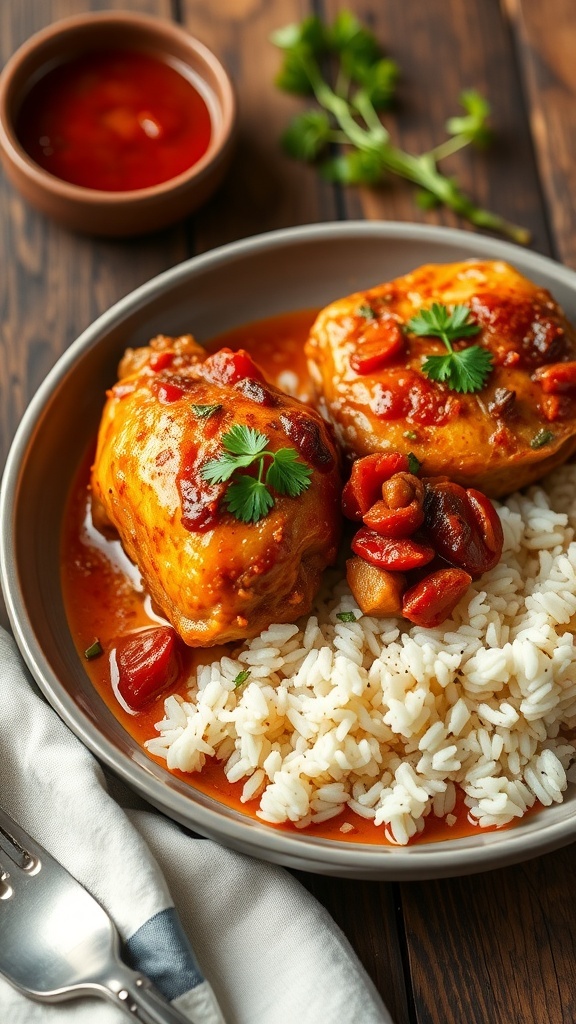
You smell the roasted green chiles before you taste them — smoky, bright, and ready to warm your kitchen. We’ll show you how to make Arizona Green Chile Stew with tender pork or beef, creamy potatoes, and a savory broth.
Bring bold Southwestern comfort food to your table tonight. This stew is a simple, hearty meal that captures the spirit of New Mexican and Arizona flavors in every spoonful.
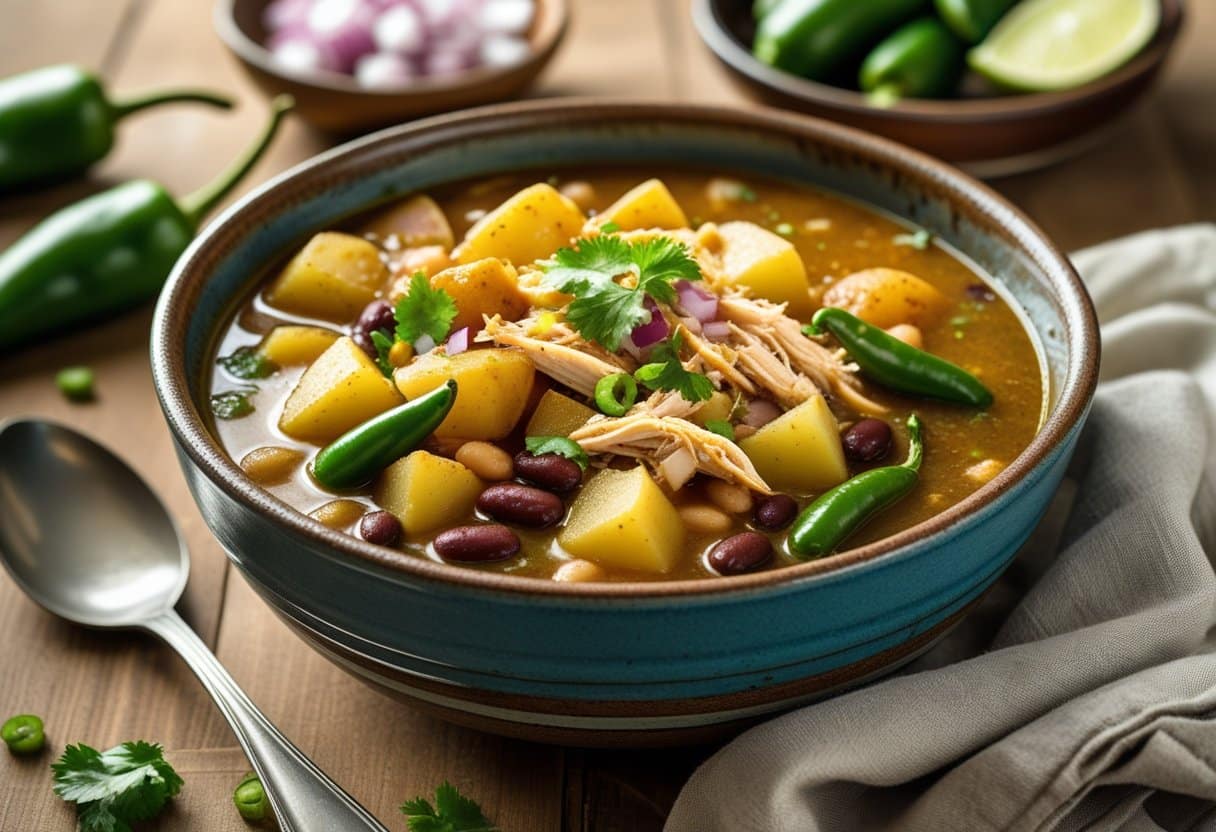
Follow our clear steps to roast chiles, brown meat, and simmer the stew until flavors meld. We’ve got tips for adjusting heat, swapping proteins, and serving with warm tortillas, so you can make the stew your own while still keeping it classic.
Key Takeaways
- Learn a straightforward method to make a robust green chile stew.
- Find simple swaps and timing tips to tailor heat and texture.
- Preserve authentic Southwestern flavor while making it at home.
Arizona Green Chile Stew Recipe Essentials
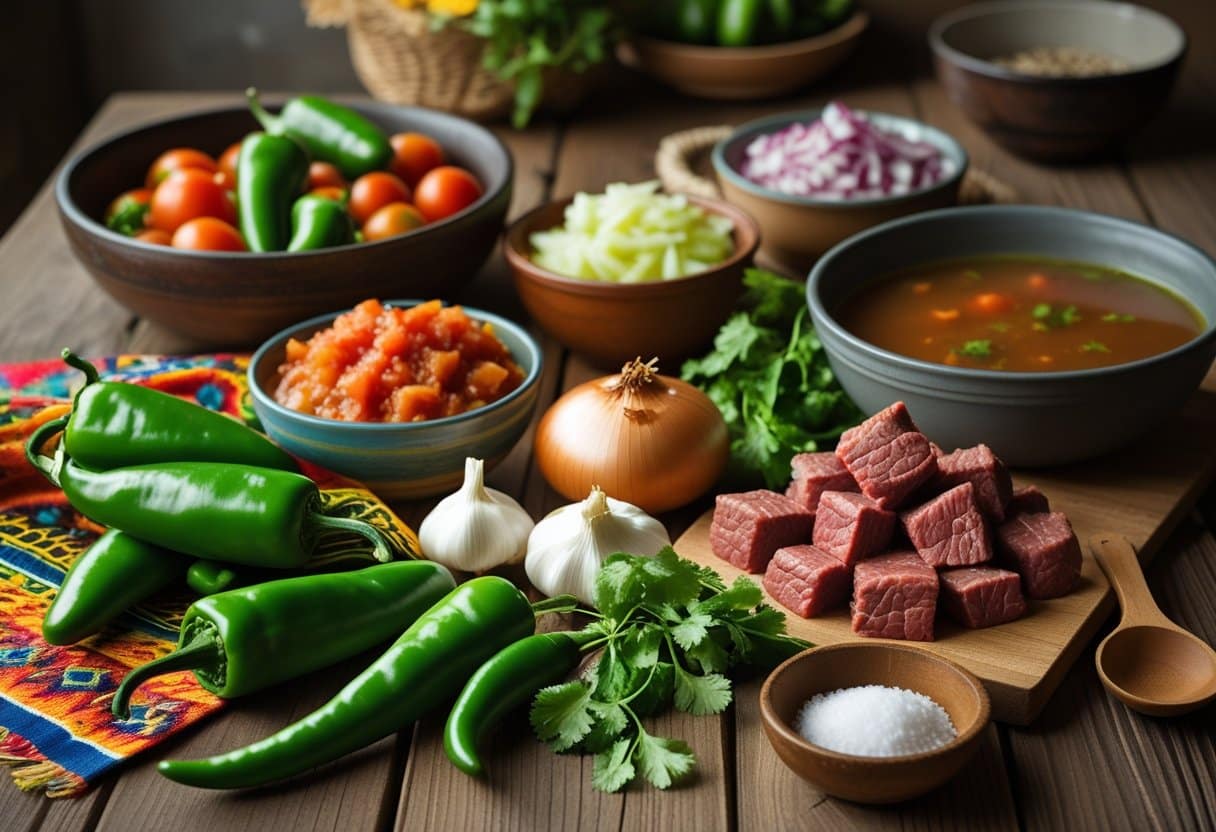
We’ll focus on the exact ingredients, cooking steps, texture and spice control, and serving ideas so you can make a true Arizona-style green chile stew at home.
Authentic Ingredients and Key Flavor Builders
Choose pork shoulder or beef chuck for tender, shreddable meat. Pork is traditional for many New Mexican versions.
Use 2–3 pounds cut into 1–1.5 inch cubes so pieces hold up during simmering. For chiles, roasted Hatch green chiles are ideal for smoky heat and freshness.
No Hatch? Fire-roasted canned green chiles (4–6 cups drained) or a mix of fresh roasted and canned chiles work just fine. Aromatics like yellow onion, garlic, and fresh cilantro anchor the flavor.
Spices: 1–2 teaspoons ground cumin and 1 teaspoon dried oregano add warmth without masking the chile. Vegetables: 2–3 medium russet or Yukon potatoes and 2 medium tomatoes (or a 14-oz can diced) thicken things up and balance acidity.
Finish with fresh lime juice to brighten the stew. Salt and black pepper should be adjusted after simmering—taste before you go wild with the shaker.
Step-by-Step Cooking Method
Brown the meat in batches for deep flavor, using a heavy pot or Dutch oven over medium-high heat. Remove browned meat and sauté onion until soft.
Add garlic for 30–60 seconds, then stir in cumin and oregano to bloom the spices. Return the meat to the pot.
Add stock or water to just cover the meat (about 4 cups), bring to a simmer, and skim off any foam. After 45–60 minutes of gentle simmering, add roasted green chiles and potatoes.
Continue simmering until potatoes and meat are tender, another 20–30 minutes. Add diced tomatoes near the end to keep their texture.
Finish with fresh lime juice and chopped cilantro. Taste and adjust salt and chile heat; if using canned green chiles, reduce added salt early and increase later.
Tips for Perfect Texture and Spice
Control texture by choosing the right cut of meat and simmering gently. Tough cuts like pork shoulder break down into tender strands—avoid over-stirring so potatoes keep their shape.
Cut potatoes uniformly for even cooking. For spice level, test the chiles early.
Hatch green chiles can be mild or hot; start with less (1–2 cups) if you’re unsure, then add more. Use mild green chile if feeding kids.
Canned green chiles deliver consistent heat—add them in stages. If the stew is too thin, mash a few potatoes into the broth or simmer uncovered to reduce.
If too thick, add stock by the quarter-cup until you reach your desired consistency. If bitterness sneaks in, balance it with a teaspoon of sugar or extra lime juice.
Serving Suggestions and Garnishes
Serve green chile pork stew with warm corn or flour tortillas for scooping. Spoon stew into bowls and top with chopped cilantro, diced onions, and a squeeze of lime.
Other garnishes: shredded Monterey Jack cheese, thinly sliced radishes for crunch, and a dollop of sour cream to tame the heat. For a heartier meal, serve over steamed rice.
Leftovers get even better the next day—flavors deepen. Reheat gently on the stove, adding a splash of stock if needed.
For a quick weeknight option, use roasted canned green chiles and pre-cut stew meat. Your future self will thank you.
Southwestern Comfort Food Variations and Cultural Roots
Roasted green chiles and slow cooking have shaped homes and restaurants across Arizona and New Mexico. The dish blends Indigenous, Mexican, and frontier techniques into meals we still love today.
Traditional Southwestern and New Mexican Inspirations
Our stew is built on regional classics: roasted green chiles, pork or chicken, potatoes, and sometimes hominy. Roasting chiles over an open flame or in a drum roaster gives the stew its signature smoky, bright heat.
This is a flavor that stands apart from dried red chile sauces in other dishes. Many New Mexican dishes use the same chile varieties and methods.
Dishes like carne en su jugo share the slow-simmered meat and savory broth approach, though carne en su jugo uses tomatillos and bacon for a different tang. We honor those roots by keeping the chile flavor front and center.
We also lean on staples like cumin, oregano, and local stock. These spices keep the stew grounded and make it feel like traditional Southwestern comfort food, not just another chili.
Notable Stew Variations and Modern Twists
The base stew is easy to adapt. Swap pork for shredded beef or chicken to change up the texture and fat.
Adding hominy or extra potatoes makes the stew even heartier for those “I need a blanket and a bowl” nights. Modern twists? Try a green chile cheeseburger—roasted chile melted into cheese for a tangy, spicy topping.
Chefs also braise short ribs in green chile broth or fold roasted chiles into mac and cheese, proving green chile flavor is basically the Beyoncé of the Southwest—versatile and always in style.
Finish stews with lime, fresh cilantro, or queso fresco. These simple additions brighten the bowl and connect the dish to broader Southwestern plates.
Green Chile Stew in Regional Cuisine
You’ll find green chile stew on diner menus, food trucks, and family tables across Arizona and New Mexico. It sits right next to tamales, enchiladas, and posole as both a weekday meal and a festival favorite.
In New Mexico, the red vs. green chile debate is serious business; green chile stew signals a regional love for fresh-roasted chiles. In Arizona, restaurants often pair the stew with Sonoran-style flour tortillas or refried beans for a local twist.
You’ll even see the stew influence other dishes—green chile cheeseburgers and chile-topped breakfast plates are proof that these flavors are here to stay.
Frequently Asked Questions
We’ve got you covered on key ingredients, chile prep, meat swaps, tasty side dishes, vegetarian options, and the difference between Arizona and New Mexican versions.
What are the essential ingredients for a traditional Southwestern Green Chile Stew?
Use pork shoulder or beef chuck, peeled roasted green chiles, yellow onions, garlic, and medium‑starch potatoes as the stew base. Build flavor with low‑sodium chicken or beef broth, a bit of tomato (diced or purée), ground cumin, dried oregano, and kosher salt.
How do you prepare Hatch green chili for a stew?
Roast whole green chiles over an open flame, broiler, or on a hot grill until the skins blacken and blister. Then place them in a covered bowl or paper bag for 10–15 minutes, peel off the skins, remove stems and seeds, and coarsely chop before adding to the pot.
Can you substitute ground beef in a Green Chile Stew recipe?
Absolutely! Use 1 to 1.5 pounds of browned ground beef in place of cubed pork or beef for a quicker stew. Brown the meat first, drain excess fat, then simmer with chiles and potatoes so the textures and flavors meld.
What side dishes pair well with Green Chile Stew?
Serve with warm corn tortillas or homemade flour tortillas for scooping and soaking up broth. Other good options are Spanish rice, a simple shredded cabbage slaw, or warm cornbread to balance the smoky heat.
How can I make a vegetarian version of the Green Chile Stew?
Replace meat with hearty vegetables and plant proteins like cubed butternut squash, extra potatoes, and canned white beans or pinto beans. Use vegetable broth, roast the green chiles the same way, and simmer until the vegetables are tender; finish with a squeeze of lime for brightness.
What is the difference between New Mexican and Arizona Green Chile Stew?
New Mexican versions often use roasted Hatch chiles. They may focus more on a tomato-based broth and spice blends tied to regional tradition.
Arizona versions can be similar but sometimes feature different meat cuts. The broth is often a bit thinner, and local ingredient variations reflect Arizona’s unique tastes.
Both stews proudly showcase roasted green chiles as their defining element.