Every New Year’s Day, many families across the South enjoy a special meal of ham hock and black-eyed peas. This dish is more than just food; it is a symbol of good luck, prosperity, and a fresh start for the year ahead. The combination of smoky ham hock and tender black-eyed peas is believed to bring fortune and happiness, making it a meaningful tradition for welcoming the New Year.
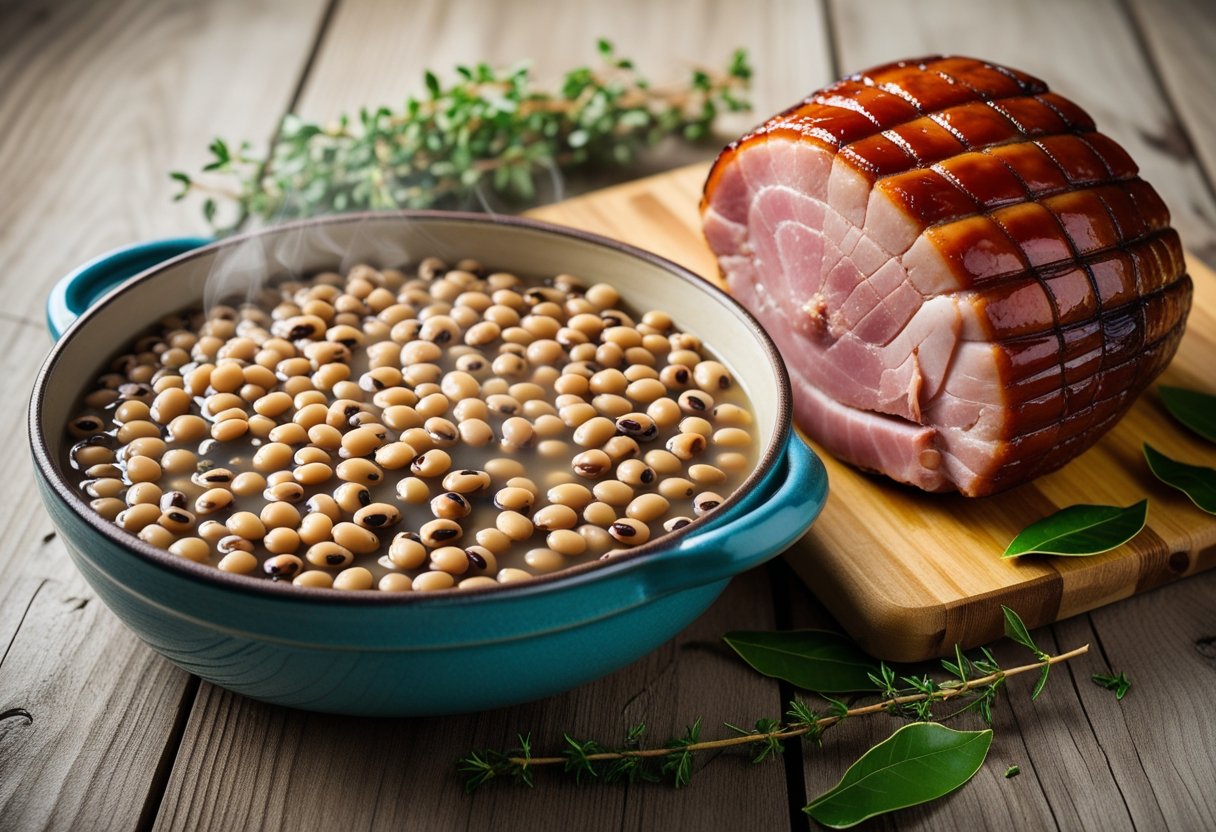
Preparing this dish involves slow simmering the peas with the ham hock to create a rich, flavorful meal that is hearty and comforting. The simplicity of the ingredients and the long cooking process highlight the deep Southern roots and the care that goes into every pot. This timeless recipe not only fills our plates but also carries a sense of history and hope that we can pass along.
If you want to bring this good luck dinner to your table, we’ll walk you through the key steps to make perfect ham hock and black-eyed peas. From choosing the right ingredients to cooking tips, this meal is both practical and packed with meaning—ideal for starting the year right.
Key Takeways
- The dish is a Southern tradition linked to luck and prosperity.
- Slow cooking brings out rich, smoky flavors in the meal.
- Simple ingredients combine to create a meaningful New Year’s dinner.
Ham Hock and Black-Eyed Peas: Southern Tradition and Symbolism

We honor a tradition rooted deeply in history when we gather around a meal of ham hock and black-eyed peas. This dish carries meaning beyond flavor, blending the stories of resilience and hope. Alongside it, cornbread and collard greens complete the table, each element with its own significant place in Southern New Year celebrations.
Origins of the New Year’s Good Luck Dinner
The tradition of eating black-eyed peas with ham hock on New Year’s Day comes from the American South. Black-eyed peas were brought to the U.S. by enslaved Africans. They became an important food during hard times because they were easy to grow and nutritious.
During the Civil War, black-eyed peas were often the only food left for some because soldiers did not raid them. This made them a symbol of survival and good luck. Over time, people in the South began to believe that eating black-eyed peas at the start of the year would bring prosperity.
Ham hocks add flavor and richness. They represent wealth and progress because pigs were once a sign of success in rural southern communities. This meal symbolizes a fresh start and hope for better things.
Meaning Behind Black-Eyed Peas and Ham Hock
Black-eyed peas symbolize good fortune and luck. Their small shape and color remind us of coins, linking the peas to wealth and prosperity in the coming year. The dish is slow-cooked with smoky ham hock, which deepens the taste and adds a comforting feel. Ham hock also stands for progress since pigs root forward, a sign of moving ahead in life.
This pairing is more than food—it’s a cultural message. By eating this meal, we embrace hope and celebrate resilience. It’s a tradition that respects the past and looks forward to growth and abundance.
Essential Southern Sides: Cornbread and Collard Greens
No Southern New Year meal is complete without cornbread and collard greens. Cornbread represents prosperity. Corn was a staple in the Americas before African Americans arrived, and it became part of their cooking through cornbread, which is affordable and easy to make.
Collard greens, along with other leafy greens like mustard and turnip greens, symbolize financial wealth. Their green color and folded leaves look like folded money. Collards are often cooked with smoked turkey or ham hocks to add flavor and connection to the main dish.
Together, black-eyed peas, ham hock, cornbread, and collard greens create a meal full of rich tradition and meaningful symbolism that we cherish on New Year’s Day.
For more about the blend of tradition and food, see this detailed explanation on the Traditional Black Southern New Year’s Day Meal.
How to Make the Perfect Ham Hock and Black-Eyed Peas Dinner
Making a great ham hock and black-eyed peas dinner means choosing the right ingredients, cooking them with care, and adding flavors that bring out the best in the dish. Paying attention to the type of peas, the cooking steps, seasoning, and how we serve the meal can make all the difference.
Choosing Between Dried, Canned, and Frozen Black-Eyed Peas
When cooking black-eyed peas, the form you choose impacts texture and cooking time. Dried black-eyed peas are preferred for a creamier, richer result. They require soaking overnight or a quick soak to reduce cooking time. Soaking helps them cook evenly without falling apart.
Canned black-eyed peas save time but can be softer and less flavorful. They are good if you’re short on time but avoid overcooking to keep texture intact. Frozen black-eyed peas are less common but offer a middle ground—quick to cook while maintaining some firmness.
For a truly authentic meal, we recommend dried peas soaked properly, paired with a smoky ham hock or ham bone for deep flavor. If you need alternatives, a smoked turkey leg works well as a substitute.
Step-by-Step Black-Eyed Peas Recipe with Ham Hock
We start by rinsing and soaking 1 pound of dried black-eyed peas for at least 8 hours. After draining, we sauté diced onion, celery, and green bell pepper to build flavor—this is the Southern “holy trinity.” Next, we sear the ham hock in a heavy pot until browned. This releases smoky oils essential to the dish.
Add peas to the pot with 6 cups of chicken or vegetable broth, bay leaf, and dried thyme. Simmer gently for 2 to 2.5 hours until peas become tender and creamy. Stir occasionally to avoid sticking.
Once cooked, we remove the ham hock, shred the meat, and return it to the pot. Season with salt, pepper, and a dash of smoked paprika or Cajun seasoning for added warmth. A splash of apple cider vinegar brightens the dish just before serving.
Flavor Boosters: Bay Leaf, Cajun Seasoning, and More
Bay leaf is critical—it adds subtle earthiness and depth as the peas simmer. We use one or two leaves per pot. Cajun seasoning or smoked paprika gives a gentle heat and smoky note that pairs well with the ham hock’s richness.
Fresh garlic and dried thyme layered early in cooking enhance the savory profile, while black pepper adds mild bite. For extra flavor, we sometimes add Worcestershire sauce or a touch of hot sauce.
If we want more freshness, we stir in chopped collard greens or spinach in the last 15 minutes. These add color, texture, and a slight bitterness that balances the creamy peas.
Serving Suggestions and Leftover Tips
We like to serve black-eyed peas over steamed white or brown rice, which soaks up the flavorful broth. Cornbread is a classic side, adding a hint of sweetness and texture contrast.
Leftovers taste even better the next day as flavors continue to blend. Store in airtight containers in the fridge for up to 5 days. Reheat gently on the stove or microwave.
If you want to freeze them, cool completely and portion into freezer-safe bags. They keep well for 3 to 4 months. Reheating slowly preserves the peas’ creamy texture and the smoky flavor from the ham hock.
For a vegetarian twist, omit the ham and use vegetable broth with smoked paprika and liquid smoke to mimic the smoky taste. Adding sautéed mushrooms can provide a meaty texture and umami flavor.
For more detailed recipes, see this step-by-step black-eyed peas recipe with ham hocks.
Frequently Asked Questions
We focus on the key ingredients, cooking times, and practical instructions for making black-eyed peas with ham. You will also find ideas for vegetarian options and side dishes that make a complete New Year’s meal.
What are the ingredients for a traditional New Year’s black-eyed peas and greens recipe?
Traditional recipes usually include dried black-eyed peas, smoked ham hocks or salt pork, and collard greens. Onion, garlic, celery, bay leaves, and thyme add extra flavor. Cornbread often accompanies the dish to balance the meal.
How long should you cook black-eyed peas and ham in a slow cooker?
It typically takes 6 to 8 hours on low heat to cook black-eyed peas and ham hock slowly. This gives the peas a tender, creamy texture while letting the smoky flavor develop fully.
Can you provide step-by-step instructions for cooking black-eyed peas with ham on the stove?
First, soak dried black-eyed peas for a few hours or overnight. Next, sauté onion, garlic, and celery in olive oil. Add peas, smoked ham hock, bay leaves, thyme, and chicken stock. Simmer gently for 1.5 to 2 hours, until peas are tender. Season with salt and pepper and let it rest off the heat before serving.
Is there a simple yet delicious black-eyed peas recipe suitable for a New Year’s celebration?
Yes, a basic version includes simmering dried peas with smoky ham hock and aromatic vegetables like onion and garlic. This recipe delivers a rich, hearty dish that fits perfectly with the New Year’s tradition without needing complex steps.
What are some vegetarian alternatives to ham for a New Year’s black-eyed peas dish?
Smoked turkey legs work well as a milder meat substitute. For a fully vegetarian option, using smoked paprika or liquid smoke can imitate the smoky flavor. Adding mushrooms or smoked tofu offers a meat-like texture and depth.
What side dishes complement black-eyed peas for a New Year’s Day meal?
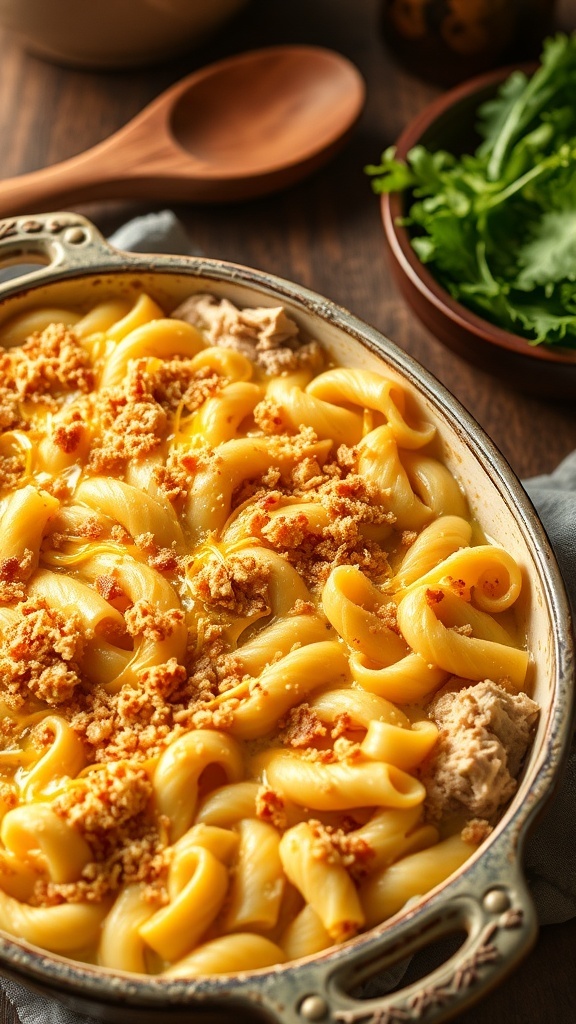
Cornbread is a classic pairing that adds a sweet, crumbly contrast. Collard greens bring bitterness and symbolize money for the year ahead. Other good sides include fried green tomatoes, mac and cheese, or fried chicken for a full Southern-style meal.
For more on traditional recipes with smoky ham hock, see this Southern Black-Eyed Peas Recipe.