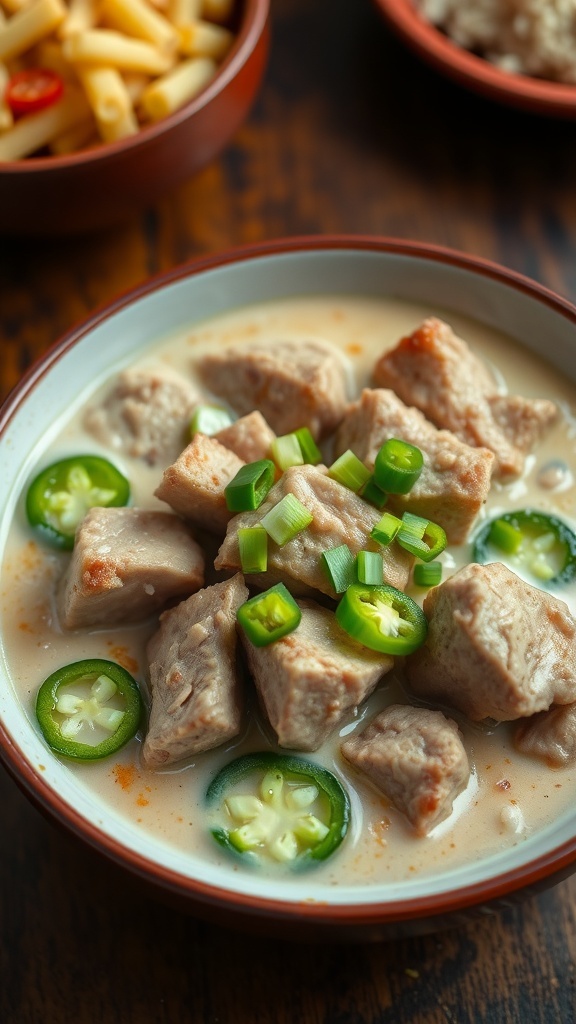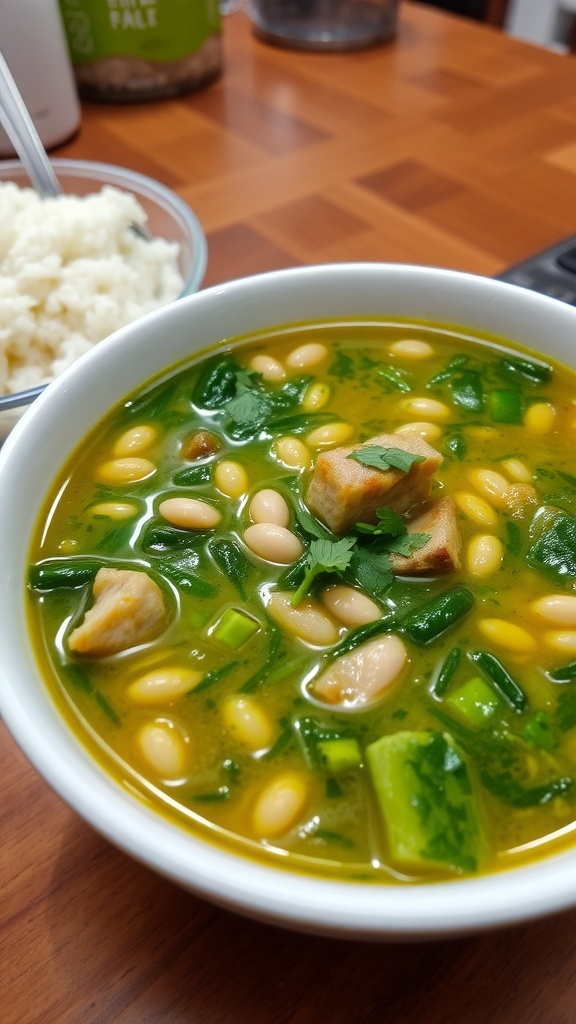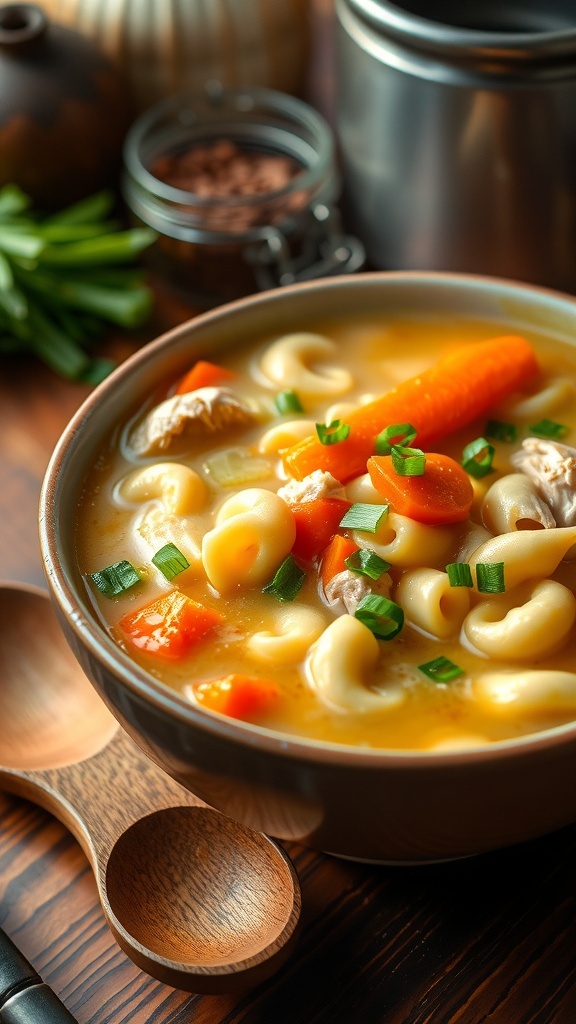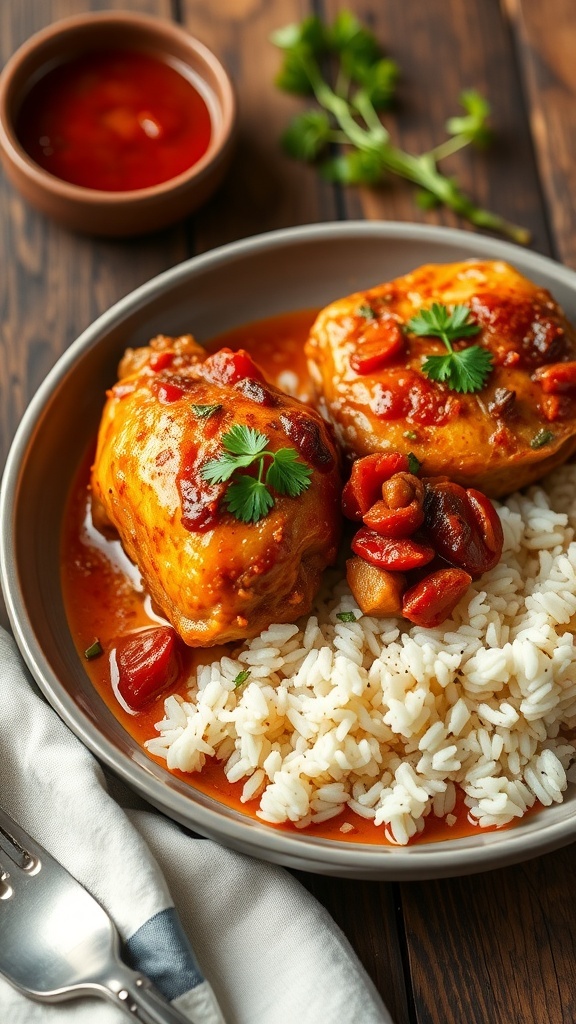
Chicken stew is a simple, hearty meal that combines tender chicken with vegetables and a flavorful broth. It’s easy to make and perfect for warming up on chilly days.
This dish provides a balanced and satisfying meal for the whole family. Plus, it’s a great excuse to eat bread with reckless abandon.
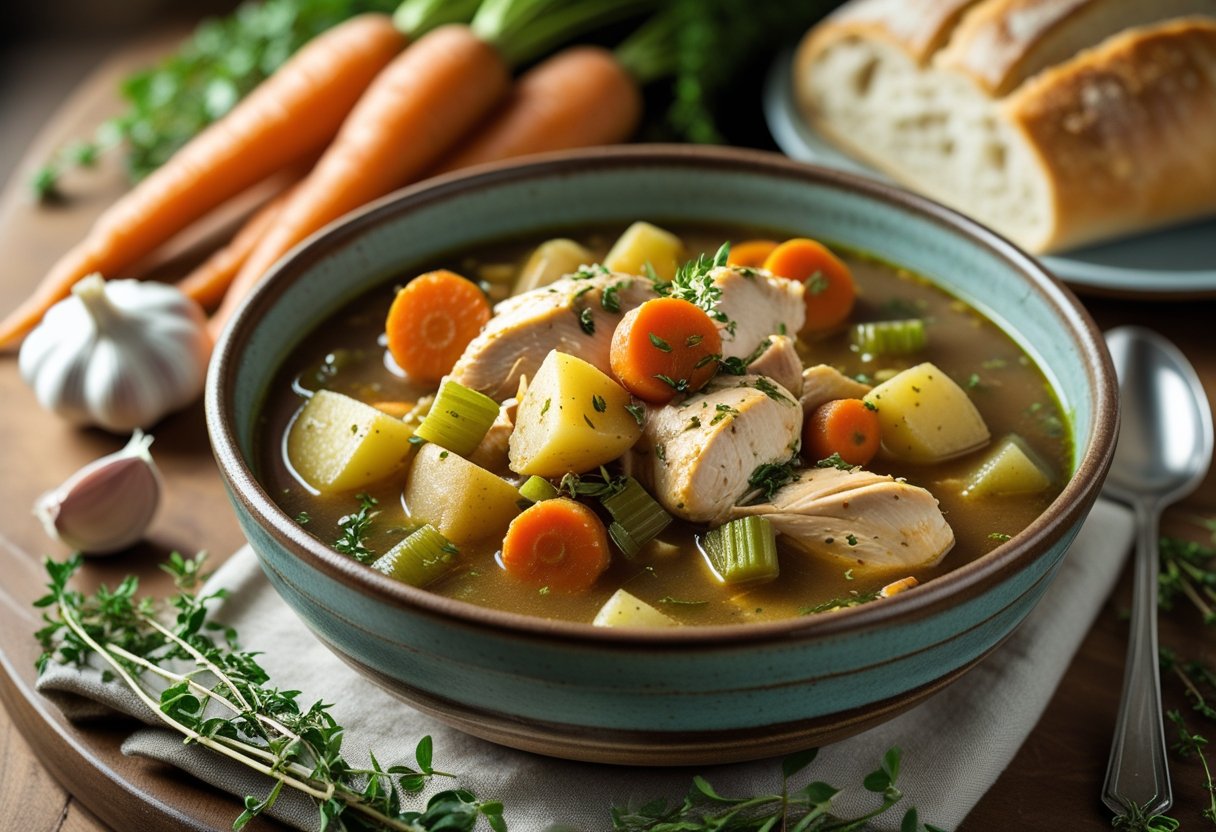
Using basic ingredients like chicken breasts or thighs, potatoes, carrots, and herbs creates a stew that’s both comforting and delicious. The process is straightforward, and you can tweak the flavors and textures to fit your mood (or whatever’s in your fridge).
Whether you want a creamy broth or a lighter stew, this recipe adapts easily. It can be made ahead or reheated when you need a fast, cozy meal.
Let’s walk through how to make a reliable chicken stew that fits any weeknight or weekend meal plan.
How to Make Chicken Stew
We’ll guide you through picking the right ingredients, cooking the stew, and using simple tips to get the best flavor and texture every time. Your chicken stew will be rich, hearty, and balanced—just like your favorite sweater, but tastier.
Essential Ingredients Breakdown
For a classic chicken stew, start with quality chicken. Bone-in chicken thighs are best because they add flavor and stay juicy.
You can also mix in some chicken breasts if you want a leaner protein. The more, the merrier.
The vegetables are key. We use onion, carrots, celery, and Yukon Gold potatoes for sweetness and texture.
Garlic adds depth, and a mix of dried herbs like thyme and parsley keeps things fresh and herby. No need to get fancy—dried works just fine.
Chicken broth is the base and provides that savory liquid gold. Low-sodium broth gives you more control over the salt.
For thickening, cornstarch or flour does the trick. A splash of heavy cream at the end gives the stew a smooth, rich finish.
Frozen peas stirred in last add color and sweetness—plus, they make you look like you planned ahead.
Step-by-Step Cooking Instructions
First, season your chicken thighs with salt, pepper, and smoked paprika if you’re feeling fancy. Heat oil in a Dutch oven and brown the chicken on all sides.
This builds a flavorful base (and makes your kitchen smell amazing). Next, remove the chicken and sauté chopped onion, celery, and garlic in the same pot until soft.
Add carrots and potatoes, then sprinkle in dried thyme and parsley. Stir in flour or cornstarch to coat the veggies lightly—this helps thicken the stew.
Pour in the chicken broth and return the chicken to the pot. Bring everything to a boil, then reduce heat to a simmer.
Cover and cook for about 45 minutes until the chicken is cooked through and vegetables are tender. Finally, take out the chicken, shred or cut it, and return it to the pot.
Stir in heavy cream for richness and add frozen peas if using. Adjust seasoning with salt and pepper before serving.
Tips for Achieving the Perfect Stew
Use bone-in chicken thighs for the most flavor and juicy meat. Browning the chicken well gives the stew a deep color and taste.
Don’t rush the simmering. Cooking low and slow breaks down the veggies and makes a thick, flavorful broth.
Stir occasionally and check the liquid level, adding broth if needed. Add heavy cream at the end to avoid curdling and keep things smooth.
If you want a thicker texture, mix a bit of cornstarch with cold water and stir it in gradually. Fresh herbs added last will brighten the flavor.
We also recommend letting the stew sit for a bit or making it a day ahead. The flavors get to know each other and the result is even better.
Serving Suggestions and Storage
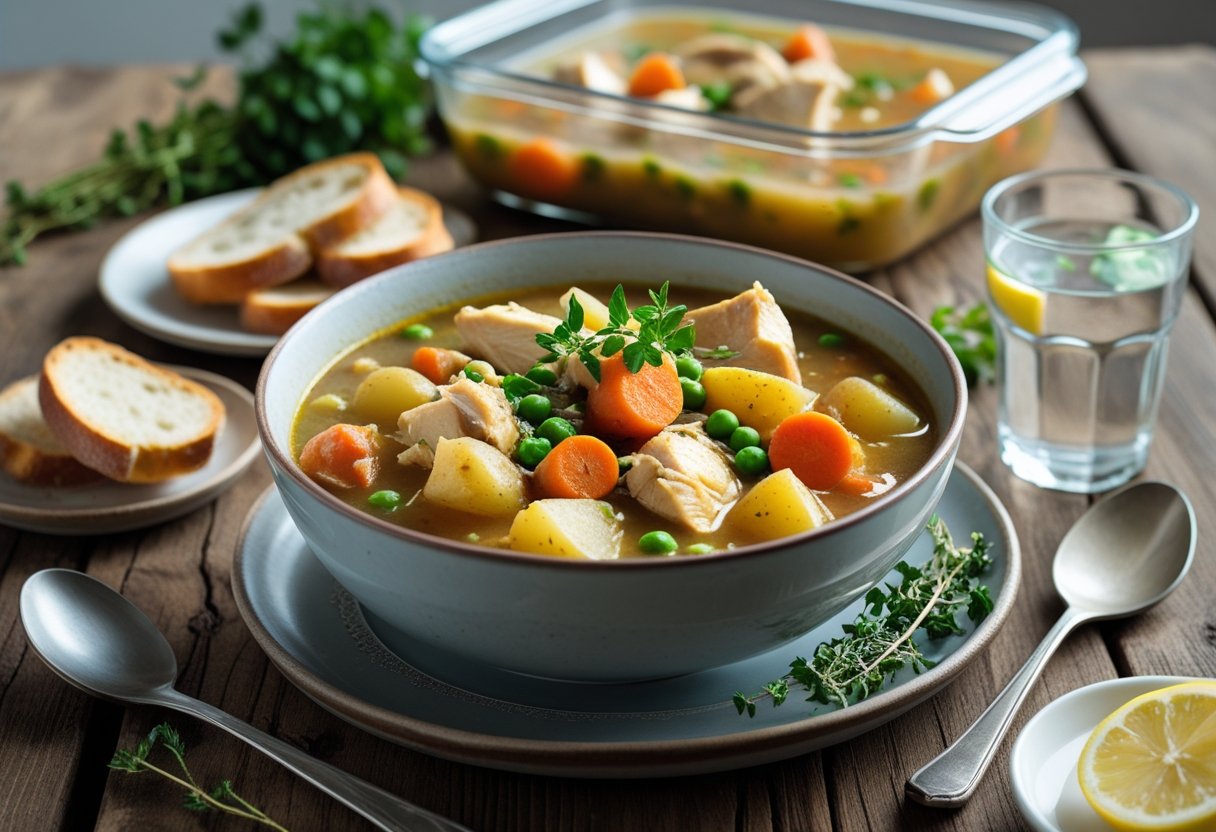
Chicken stew pairs well with foods that soak up its rich broth and complement its flavors. Simple sides and careful storage keep the meal fresh and satisfying.
Best Sides to Serve with Chicken Stew
Warm crusty bread or soft dinner rolls are excellent for dipping into the stew’s flavorful broth. Crackers or biscuits also work well if you want a lighter option.
A fresh green salad with a light vinaigrette balances the richness of the stew and adds a crisp texture. For extra flair, sprinkle chopped fresh parsley over the stew before serving.
A dollop of sour cream or a little grated Parmesan can also jazz things up without taking over the show.
How to Store and Reheat
Cool the stew completely before storing to keep it safe and tasty. Transfer it into airtight containers and refrigerate.
The stew keeps well in the fridge for up to four days. When reheating, warm it on the stovetop over medium heat, stirring occasionally to heat evenly and prevent burning.
For longer storage, freezing is a good option. Use freezer-safe containers and leave space for expansion.
The stew can be frozen for up to three months. Thaw it overnight in the fridge, then reheat thoroughly before serving.
Customizing and Variations
We can swap ingredients to suit our preferences or just use whatever is lurking in the fridge. For example, sweet potatoes or parsnips instead of regular potatoes will totally change up the flavor and texture.
Adding peas or different vegetables can boost both variety and nutrition. Want some heat? A pinch of cayenne or red pepper flakes will wake things up.
If you’re aiming for a lighter option, try chicken breasts instead of thighs—just keep an eye on the cooking time so things don’t get dry. Going vegetarian? Swap the chicken for chickpeas and use vegetable broth instead.