A tomahawk steak is a large, bone-in ribeye known for its impressive size and rich flavor. Cooking it might seem tricky, but we can make a perfect tomahawk steak at home by simply seasoning well, searing, and finishing it to the right temperature. With just a few key steps and a meat thermometer, this steak can be tender, juicy, and restaurant-quality.
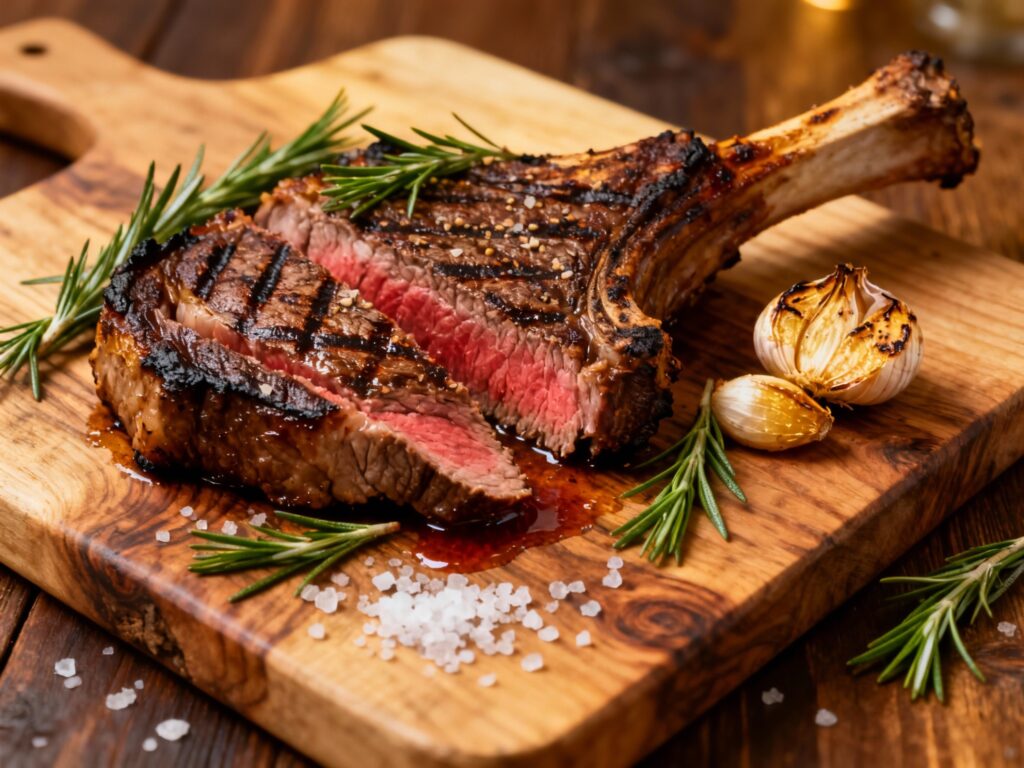
We’ll guide you through easy methods to cook a tomahawk steak using a grill or an oven and skillet. Whether you want to impress guests or enjoy a special meal, knowing how to handle this cut makes it much less intimidating. Let’s get started on making a great tomahawk steak you’ll want to enjoy again and again.
What Is a Tomahawk Steak?
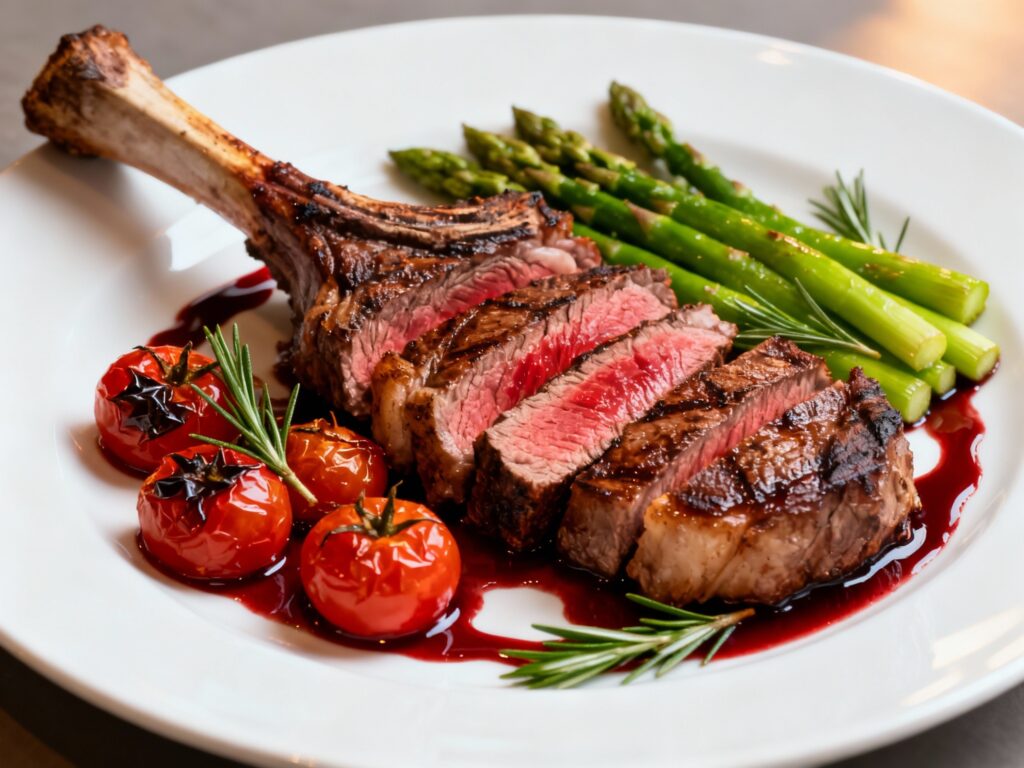
A tomahawk steak is a distinctive cut of beef known for its large size and impressive presentation. It comes from the rib section of the cow and includes a long, exposed bone that looks like the handle of a tomahawk axe. The combination of the meat and bone adds both flavor and visual appeal.
This steak is prized for its thickness and marbling, which helps keep it juicy and tender when cooked. Choosing the right quality of meat, including USDA grading and fat distribution, is key to getting the best tomahawk steak experience.
Bone-In Ribeye vs. Tomahawk Steak
Tomahawk steak is essentially a bone-in ribeye steak, but with a much longer rib bone left attached. The bone is trimmed clean, or “Frenched,” which creates that signature handle-like look.
While both cuts come from the rib section and share the same marbling and tenderness, the tomahawk’s extra-long bone adds flavor during cooking and makes it ideal for dramatic presentations.
Typically, tomahawk steaks weigh between 2 to 3 pounds and are thicker, usually over 2 inches, compared to regular bone-in ribeye steaks. The thickness helps with even cooking and maintaining juiciness.
Understanding Marbling and USDA Prime Grades
Marbling refers to the streaks of fat running through the beef muscle. This fat melts during cooking and keeps the steak tender and flavorful.
We look for steaks with good marbling, often labeled under USDA Prime or Choice grades. USDA Prime has the highest marbling, offering superior taste and tenderness.
When buying tomahawk steaks, it’s important to check for visible white marbling spread throughout the red meat. This fat improves both the cooking process and the final eating experience.
Selecting a USDA Prime tomahawk guarantees a better steak overall, but high-quality Choice grades can also deliver excellent flavor if well marbled.
How to Prepare and Cook a Tomahawk Steak
Preparing a tomahawk steak involves careful steps to ensure tender, juicy meat with a rich crust. We focus on picking the right cut, using dry brining to enhance flavor, applying proper seasoning, and employing the reverse sear method on a gas grill with two-zone cooking to control heat perfectly.
Selecting and Dry Brining the Steak
When selecting a tomahawk steak, look for cuts that are at least 2 inches thick and weigh 2 to 3 pounds. Choose USDA Prime or Choice for better marbling, especially with a visible rib cap, which adds extra flavor and tenderness.
Dry brining is key. We use kosher salt, about 1 teaspoon per pound, to evenly coat the steak all over—avoiding salting the bone. Then, we place the steak on a cooling rack inside the fridge, uncovered, for 24 hours. This process helps dry out the surface for better browning and lets the salt deeply season the meat. Resting the steak at room temperature for about 45 minutes before cooking helps even out the internal temperature.
Seasoning Essentials and Marinade Tips
After dry brining, seasoning is simple but important. We use freshly ground black pepper generously, which complements the salt crust and the steak’s natural beef flavor. Adding a light brush of olive oil helps the seasoning stick and promotes a better sear.
If you like, you can enhance the steak by rubbing in crushed garlic and fresh herbs like rosemary, thyme, and parsley. These can be added before the final sear or mixed into a compound butter to melt over the steak after it’s cooked. Avoid heavy marinades that can mask the steak’s natural taste or add too much moisture, which can interfere with searing.
Reverse Sear Method and Two-Zone Cooking
We cook the tomahawk steak with the reverse sear method to get an even, tender interior and a deep brown crust. First, place the steak in a low oven or pellet smoker at around 225°F until its internal temperature reaches 105-110°F. This slow cooking takes roughly 1 to 1.5 hours.
For the final sear, set up your gas grill with two-zone cooking: one side on high heat (around 550°F) and the other off or low heat. This allows us to manage flare-ups and cook the steak evenly. We sear the steak on the hot side for 1 minute, flipping every minute for about 4 minutes until the internal temperature hits 126-130°F for medium-rare. Use an instant-read meat thermometer to check doneness precisely.
Finishing Touches and Serving Suggestions
After searing, let the steak rest for 5 to 10 minutes on a cutting board. Resting lets the juices redistribute, ensuring moist slices. We like to top the steak with a dollop of herb-infused compound butter made with parsley, garlic, and thyme for added flavor.
Serve the grilled tomahawk steak alongside roasted or mashed potatoes and sautéed asparagus for a balanced meal. These sides cook well on the stovetop or in the oven during the slow roast stage, making efficient use of your cooking time and equipment.