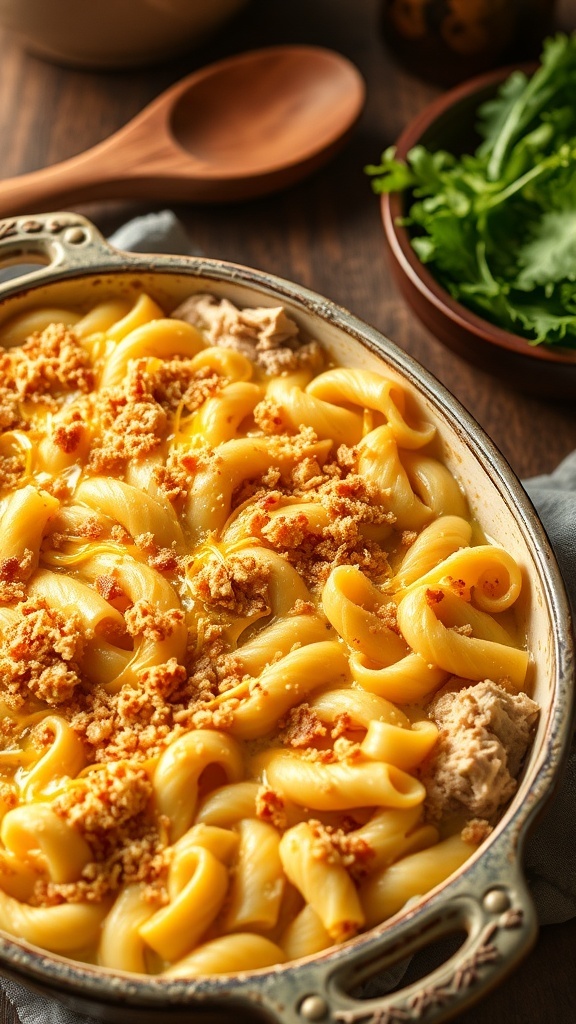
Macaroni and cheese is a classic comfort food that many of us love. The Pacific Northwest style adds a unique twist by including ingredients like smoked salmon, cream cheese, and dill.
This version brings together rich cheeses and fresh flavors for a satisfying dish that feels both familiar and special.
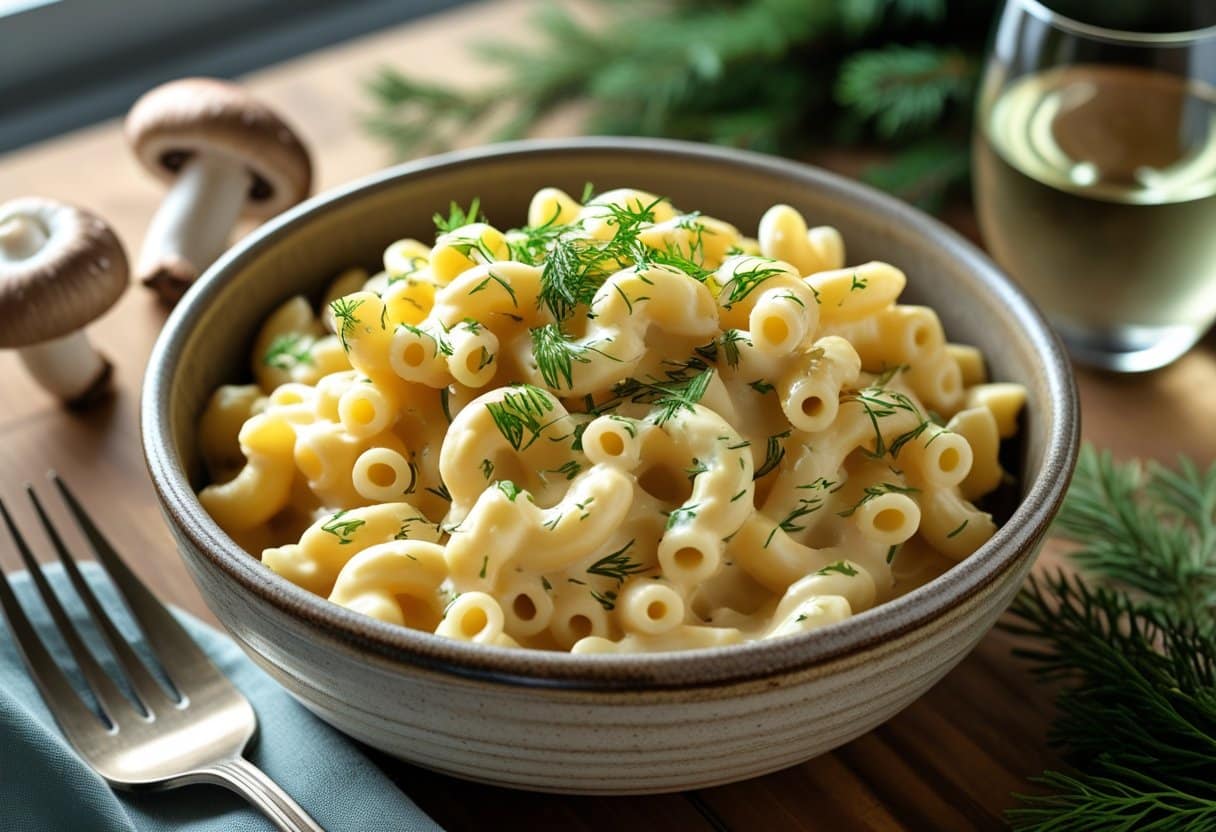
Our recipe starts with large elbow macaroni, combined with a creamy cheese sauce made from sharp and smoked cheddar. The smoked salmon adds a savory, smoky note that sets this macaroni and cheese apart from the usual.
Topped with crushed bagel chips and fresh parsley, it offers a crunchy texture that complements the creamy base. Honestly, if comfort food had a passport, this one would be stamped “Pacific Northwest.”
You can find the full details and step-by-step instructions in the Pacific Northwest Macaroni & Cheese Casserole Recipe.
Pacific Northwest Macaroni and Cheese: Ingredients and Foundations
To make a true Pacific Northwest macaroni and cheese, we focus on selecting pasta, cheeses, and dairy that build creamy texture and bold flavor. The recipe often includes local touches that set it apart from classic versions.
Essential Pasta Types: Choosing the Right Macaroni
Elbow macaroni is a classic choice for its shape and size, which hold the cheese sauce well. In the Pacific Northwest, we often use large elbow macaroni or sometimes change up the shape for more texture.
The pasta should be cooked just until al dente to avoid mushiness in the final dish. Firm pasta gives better structure when baked or stirred with a rich sauce.
Using sturdy pasta shapes like elbows or cavatappi helps trap cheesy sauce inside, creating a balanced bite. This base is critical because it supports the creamy, flavorful cheese blend we aim for.
Selecting and Combining Cheeses for Maximum Flavor
Cheddar cheese, especially sharp cheddar, is the foundation of Pacific Northwest mac and cheese. Sharp cheddar offers a tangy, rich taste that brightens the creamy sauce.
Gruyere and Swiss cheese add nuttiness and melt well into a smooth texture. Jack cheese can provide a mild, creamy balance to sharper cheeses.
A blend of around 2 cups of sharp cheddar with equal parts of gruyere and Swiss helps build layers of flavor. Some recipes add a small amount of cream cheese for extra creaminess and tang.
The Role of Butter and Dairy in Creaminess
Butter is essential both for sautéing aromatics and for making the roux that thickens the cheese sauce. We use about 4 tablespoons of butter to create a rich base.
Whole milk is preferred for the sauce because it adds smoothness without thinning the mixture. Slowly adding milk while stirring ensures the sauce thickens properly without lumps.
Cream cheese sometimes joins the mix to boost creaminess and contribute a subtle tang. Dairy products balance the sharpness of the cheese and make the dish comforting and velvety.
Building Bold Regional Flavor with Local Additions
Pacific Northwest mac and cheese often features bold touches like cayenne pepper or black pepper to give subtle heat and spice. These spices enhance flavor without overpowering the cheese.
Local additions such as smoked salmon or crushed garlic bagel chips are popular. Smoked salmon introduces a savory depth, while the bagel chips add crunchy texture.
Fresh herbs like dill or parsley can brighten the dish and link it to regional tastes. The combination of traditional cheese sauce with local ingredients creates a unique and memorable meal.
For a full recipe, see this Pacific Northwest Macaroni & Cheese recipe.
Traditional Preparation and Baking Techniques
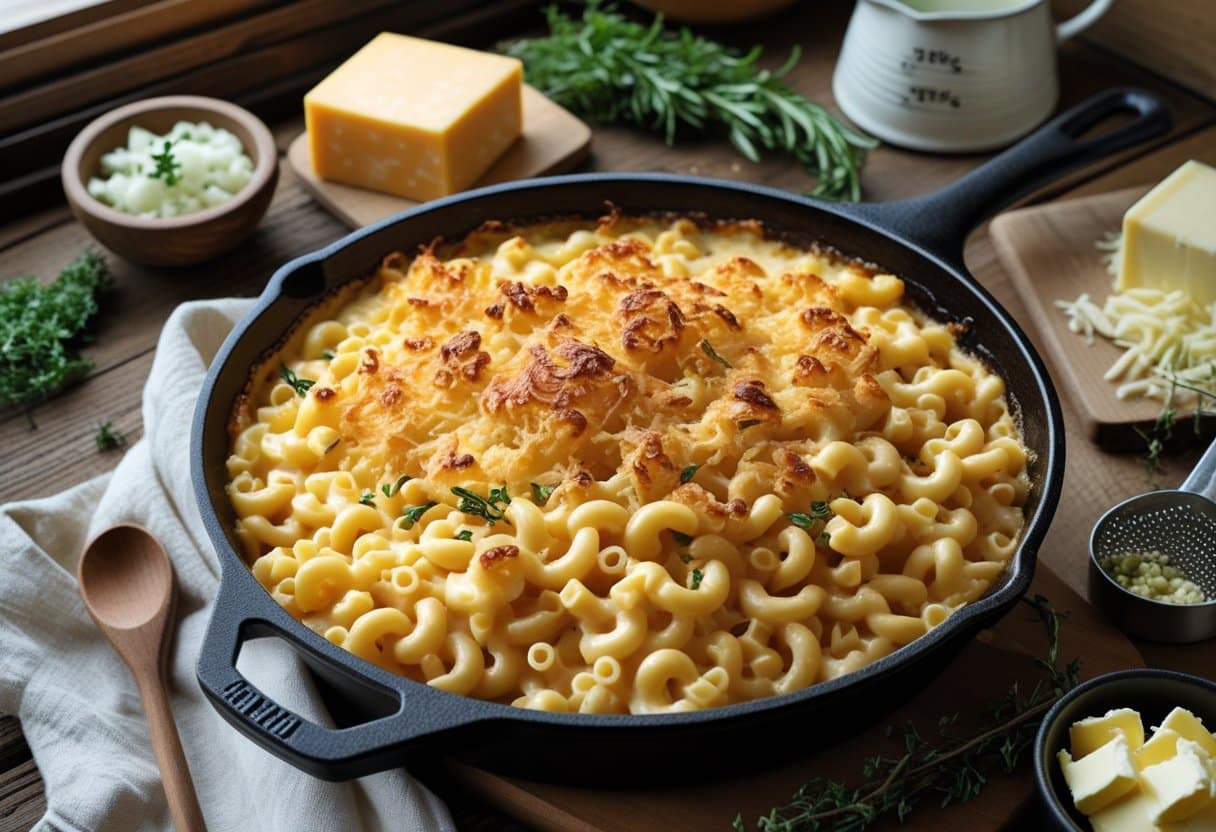
Creating classic baked macaroni and cheese requires careful attention at every step. From preparing the pasta just right to making a smooth, flavorful cheese sauce, each process plays a crucial role.
Baking brings it all together with a crispy top and creamy inside, while regional touches, like those from the Pacific Northwest, add unique flavors. Who knew cheese could be so cultured?
Cooking and Draining Pasta for Ideal Texture
We start by cooking the pasta until it is al dente, which means firm but not hard. This texture is essential because the pasta will continue to cook in the oven.
Overcooking can lead to mushy macaroni and cheese. Using elbow macaroni or small shells allows for even sauce coating.
After boiling, we drain the pasta well and can even rinse it briefly with cold water to stop cooking. This helps maintain the perfect bite and prevents sticking.
Using a Dutch oven or large pot makes it easier to mix the pasta with sauce later without mess. No one wants to chase runaway noodles across the counter.
Crafting the Perfect Roux and Cheese Sauce
Our cheese sauce begins with a classic roux, made by melting butter and whisking in flour until smooth. Cooking the roux for a minute or two removes the raw flour taste but avoids browning.
We then slowly add warm milk while stirring, creating a creamy base. Once thickened, shredded cheese is gradually stirred in until melted and smooth.
We prefer sharp cheddar for its strong flavor but often blend cheeses like Monterey Jack or smoked Gouda to deepen the taste. Seasoning with salt and pepper, and sometimes a hint of paprika, enhances the sauce.
This method produces a rich, creamy sauce that clings to the macaroni, essential for a homemade mac and cheese recipe.
Baking to Perfection: Tips for a Golden, Crunchy Top
After mixing the cooked pasta with the cheese sauce, we pour it into a greased baking dish or Dutch oven. Topping with fresh bread crumbs mixed with a little melted butter adds a crispy contrast to the creamy center.
Covering the dish while it starts baking helps maintain moisture. We usually bake at 350°F (175°C) for around 25 minutes, uncovering for the last 5-10 minutes to brown the top.
This technique creates the classic golden crust that makes baked macaroni and cheese so satisfying. Using a broil for a minute or two at the end can add extra crunch but should be watched carefully to avoid burning—unless you’re into that sort of thing.
Serving Suggestions and Pacific Northwest Variations
Baked macaroni and cheese pairs well with roasted meats and fresh vegetables. In the Pacific Northwest, we like to jazz things up with smoked salmon or fresh herbs.
Seasonal vegetables such as wild mushrooms or kale sometimes make a cameo before the dish hits the oven. A dash of mustard powder or a splash of white wine can sneak into the cheese sauce, adding a little extra oomph.
If you want to dive deeper into the world of mac and cheese, check out trusted classics like traditional baked macaroni and cheese recipes.