Barabulka, also known as red mullet, is a small fish prized for its tender, flavorful meat and ease of cooking. It is popular in Black Sea and Mediterranean cuisine due to its mild taste and low bone content.
The most straightforward way to enjoy Barabulka is by frying it with simple seasonings to create a crispy, golden crust that enhances its natural flavor.
This fish requires minimal preparation because its scales are thin and easy to remove. Many cooks choose to skip gutting since it has no bitter parts inside.
Frying Barabulka in hot oil for just a few minutes on each side yields a delicious snack or meal that pairs well with lemon juice, fresh herbs, or grilled vegetables.
Barabulka’s simplicity and quick cooking time make it a popular choice for casual dining or gatherings. Anyone can prepare this dish with common kitchen tools and ingredients.
For those interested in learning the exact steps and tips for cooking Barabulka perfectly, the following recipe offers clear guidance.
Barabulka Recipe Essentials
This recipe focuses on selecting fresh red mullet, using traditional ingredients, and following clear cooking steps. Proper preparation and attention to detail are key.
Choosing Fresh Red Mullet
Freshness is vital for the best taste and texture of barabulka. The fish should have clear, bright eyes that are not cloudy.
When pressed gently, the back should spring back quickly, showing good elasticity. The smell must be mild and not sharp or fishy.
The skin should be shiny with intact scales. The red mullet is known for its reddish back and golden fins.
Avoid fish with dull eyes, a strong odor, or soft bodies. Look for a clean, moist appearance as a sign of freshness.
Traditional Ingredients
The main ingredient is whole red mullet, cleaned and scaled. Olive oil is essential for frying or sautéing, providing a rich flavor.
Salt and black pepper add basic seasoning. Common additions include garlic, bay leaf, and fresh parsley for aroma and taste.
Olives often accompany the dish as a garnish or in the cooking pan. Some recipes use a splash of white wine or lemon juice to enhance the flavors.
Fresh vegetables like tomatoes may be cooked alongside the fish to create a sauce.
Step-by-Step Cooking Instructions
First, clean the fish thoroughly. Remove scales, guts, and rinse well.
Pat dry with paper towels. Lightly season with salt and pepper inside and out.
Heat olive oil in a wide frying pan over medium heat. Lay the fish skin-side down, placing them close but not overlapping.
Cover with a lid. Cook for 5-7 minutes until the eyes turn white and the flesh firms.
Flip carefully and cook the other side for 3-5 minutes. Add garlic cloves and bay leaf while cooking for aroma.
Serve with olives and fresh parsley on top. The fish can also be simmered in tomato sauce for a softer texture.
For crispier results, fry in more oil but monitor heat to avoid burning.
Serving and Enhancing Barabulka
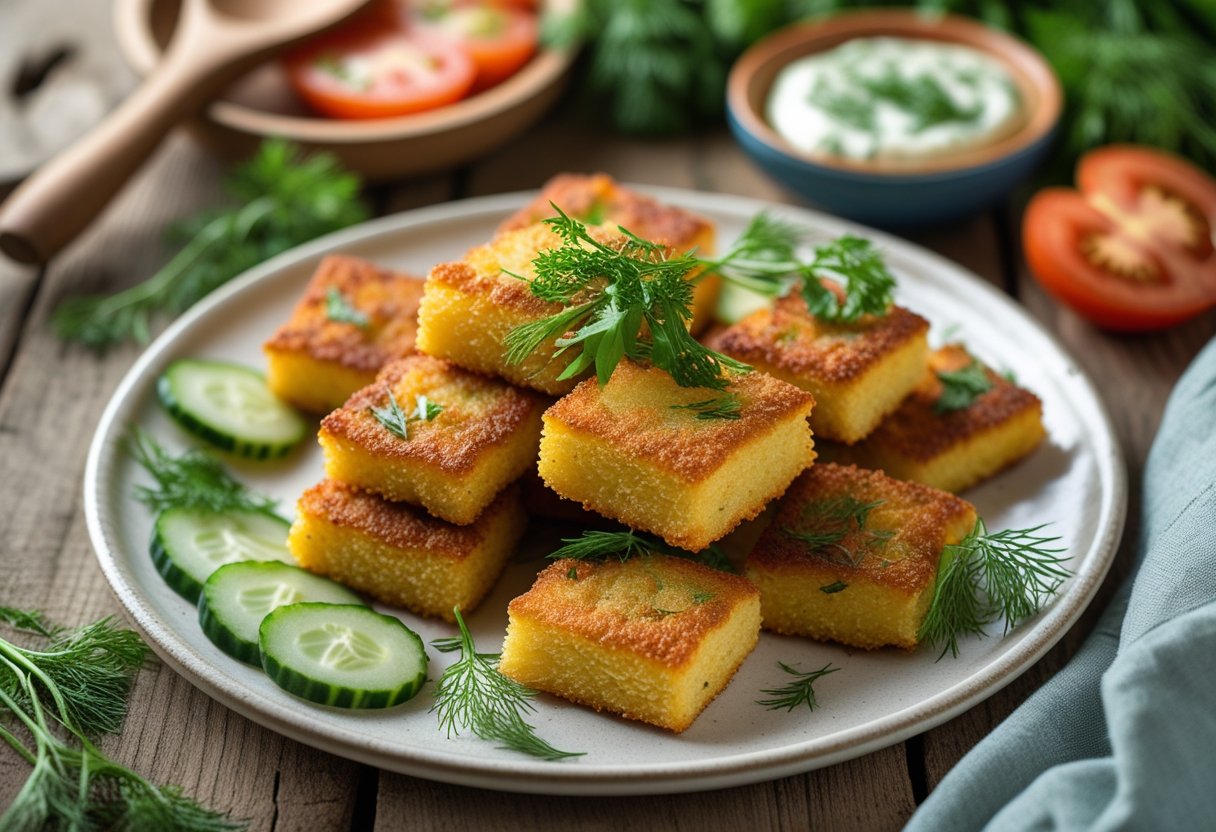
Barabulka is best enjoyed fresh and hot, paired with simple sides that complement its delicate flavor. Adjusting spices and sauces can bring out different tastes.
Proper storage helps keep its texture and taste intact for later meals.
Classic Garnishes and Side Dishes
Barabulka goes well with light, fresh sides like sliced tomatoes, onions, or leafy greens. Lemon wedges add a bright, acidic note that balances the fish’s natural oiliness.
Potatoes, whether boiled, roasted, or mashed, commonly accompany barabulka. Olives and parsley also make good accompaniments, enhancing flavor without overpowering the fish.
Simple sauces like mayonnaise mixed with garlic or herbs are a popular choice. A drizzle of olive oil and a sprinkle of black pepper can finish the dish nicely.
Flavor Variations
Different spices highlight barabulka’s delicate meat. Paprika, black pepper, and ginger can be used during preparation to add subtle warmth.
A sauce made with orange juice, coriander seeds, and star anise offers a unique citrus and aromatic twist. This pairs especially well when fried in peanut oil.
Herbs like cilantro or parsley are often added fresh after cooking for a burst of freshness. Experimenting with different oils, such as olive or sunflower, changes the fish’s richness.
Storing and Reheating Tips
Fresh barabulka should be kept in the refrigerator and eaten within 1-2 days for best taste. Wrap tightly to avoid moisture loss or fishy odors spreading.
When reheating, warming the fish gently in the oven at low heat helps maintain its texture. Avoid microwaving, as it can make the fish dry or rubbery.
If freezing, wrap each fish properly and use within a month. Thaw slowly in the fridge before cooking or reheating.
More detailed barabulka recipes and variations can be found at doctor-f.com’s barabulka recipes.