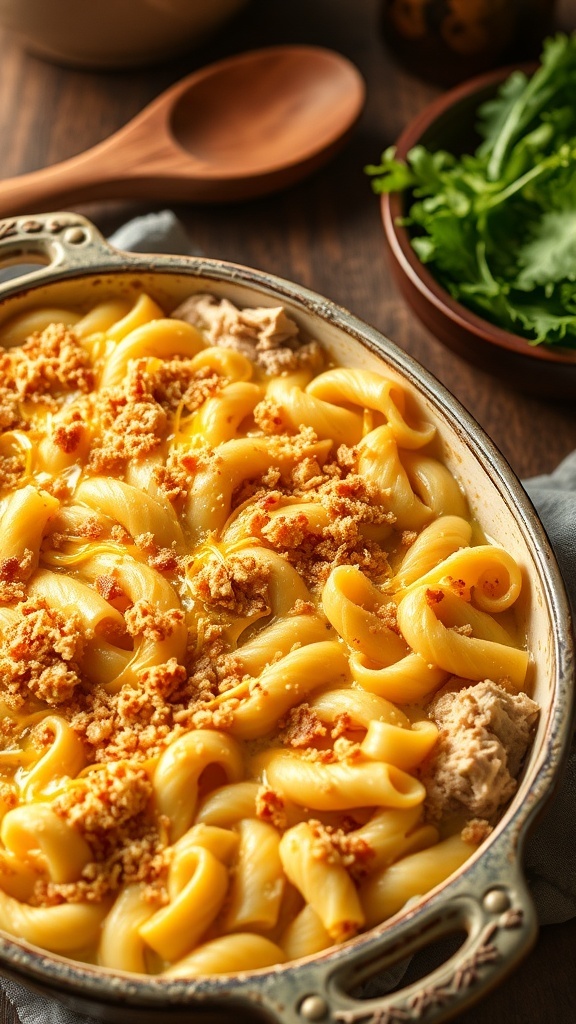
Upside down pizza is a different way to enjoy pizza by cooking it with the toppings on the bottom and the dough on top. This method creates a crispy, golden crust while keeping the cheese and toppings flavorful and well-cooked under the dough. It’s a simple twist that adds new texture and taste to a classic favorite.
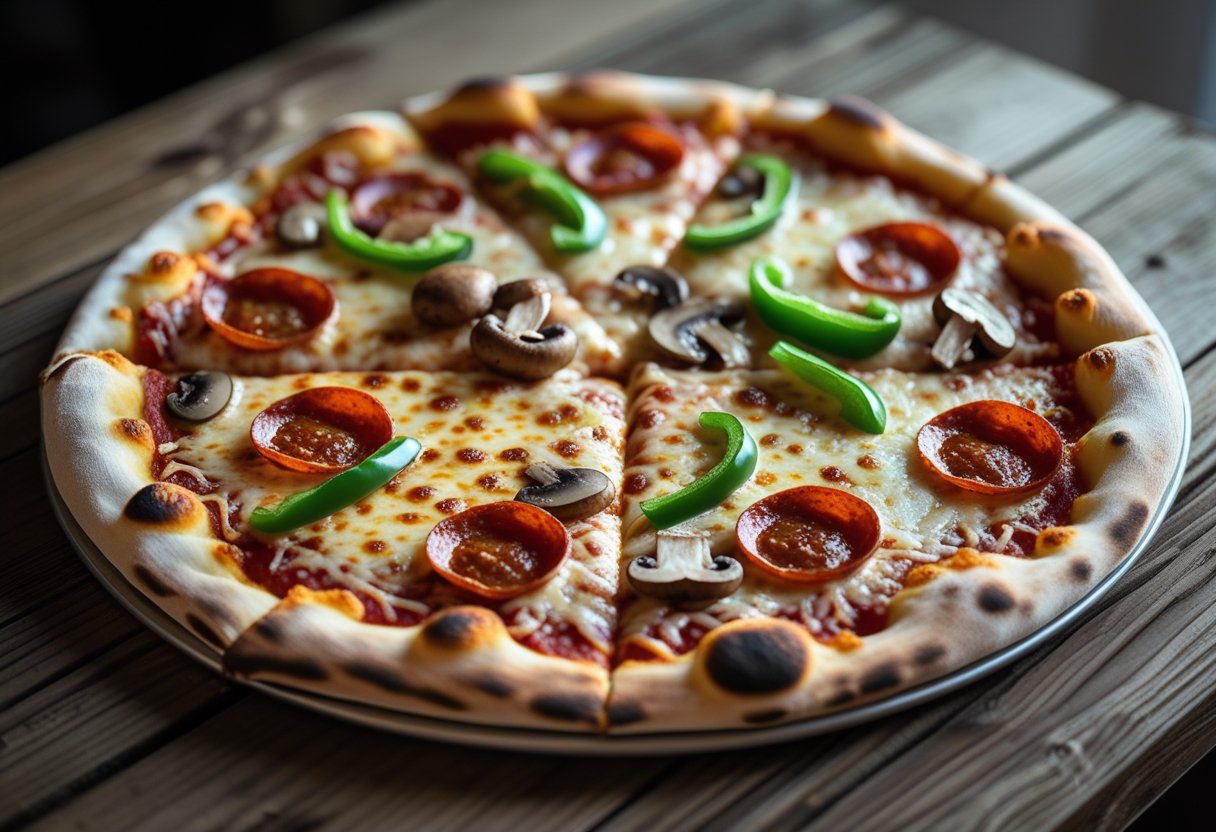
I’ve found upside down pizza easy to make, using just one pan or skillet. You can load it with your favorite ingredients like pepperoni, vegetables, and multiple kinds of cheese. It’s perfect if you want a tasty meal with less mess and a unique presentation that stands out.
If you’re curious about how to make this style and want tips for the best results, keep reading. I’ll share practical steps and variations to help you try this fun pizza recipe at home.
What Is Upside Down Pizza?
Upside down pizza turns the usual pizza order on its head by changing how the ingredients are layered and cooked. It has a unique way of combining flavors and textures that many find interesting and different from regular pizza.
Origins and History
I learned that upside down pizza is not a recent invention. It has roots in different pizza traditions but became more popular when people started experimenting with new ways to prepare pizza in their kitchens. Some versions come from Sicilian pan pizza styles that cook the dough on top of the other ingredients.
The idea behind upside down pizza is to reverse the usual assembly to get a new taste and texture. It spread through home cooks, social media, and recipes shared online. The TikTok trend helped push the dish into the spotlight, appealing to people wanting a twist on classic pizza.
Unique Preparation Method
Upside down pizza starts by laying out the toppings, sauce, and cheese first, usually in a skillet or pan. The dough is placed last, on top of the cheese and toppings instead of below them. This flips the normal pizza build.
When cooked, the dough on top bakes to a golden, crisp finish, while the ingredients underneath cook together and become juicy and flavorful. This method often uses a cast iron skillet or deep pan for even cooking and a crunchy crust.
I find that this way of making pizza creates a combination of a crispy, caramelized bottom and a gooey, cheesy top, which is the opposite of typical pizza.
How It Differs From Traditional Pizza
Traditional pizza always starts with dough on the bottom, followed by sauce, cheese, and then toppings. Upside down pizza reverses this order completely.
Instead of placing toppings on top of the crust, upside down pizza puts the sauce, cheese, and toppings first. Then the dough is added on top, which means the crust cooks above the toppings. This creates different textures: a crisp crust outside and a moist, flavorful layer beneath.
In contrast to traditional thin or pan pizzas, the upside down style often results in a thick crust that’s crispier on the outside but soft underneath. The flavor mixes differently because of how the ingredients cook together, giving a new take on familiar pizza flavors.
For more about how this unique cooking technique works, you can visit this explanation of the upside down pizza method.
Essential Ingredients for Upside Down Pizza
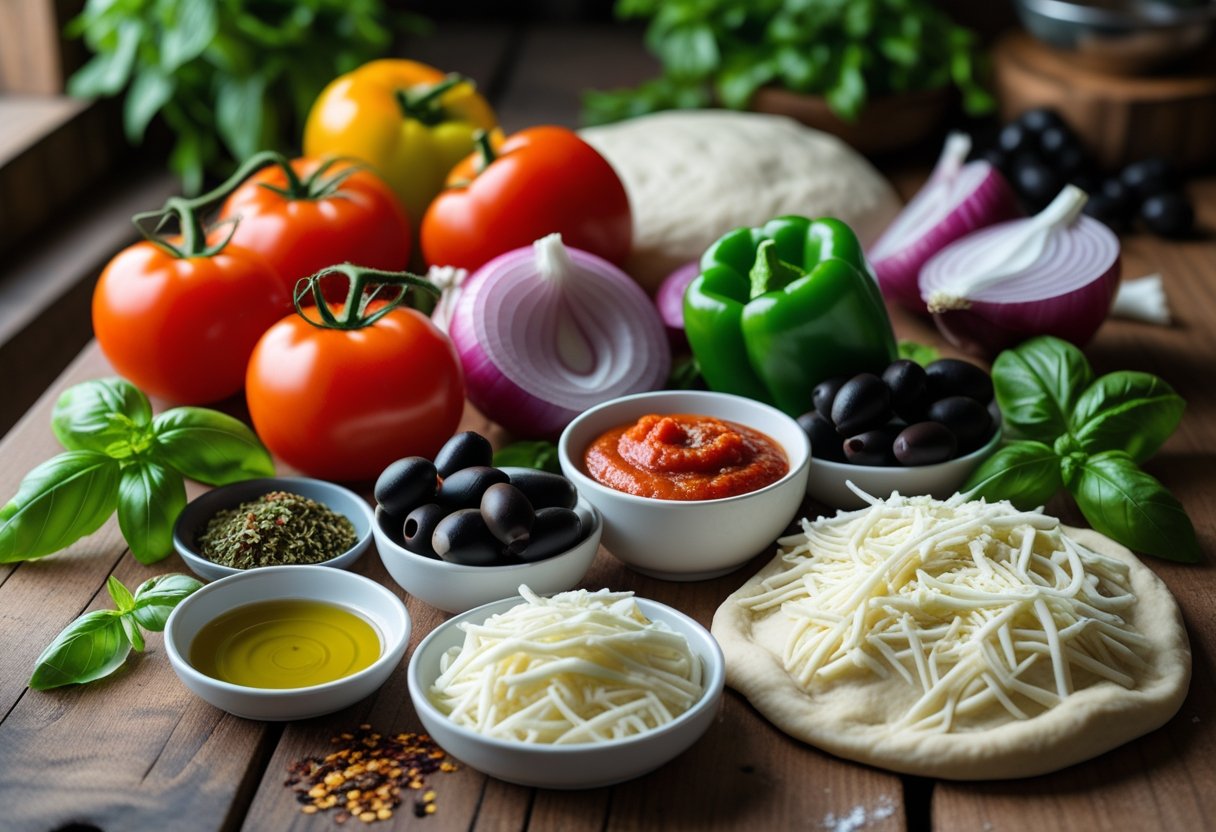
To make upside down pizza well, you need to be careful about the dough, cheese, and toppings you choose. Each part affects texture, flavor, and cooking time. Using the right ingredients makes the pizza taste good and hold together while baking with the crust on top.
Choosing the Right Dough
For upside down pizza, I prefer using a sturdy dough that can hold up during baking. Since the toppings go in the pan first and the dough covers them, the dough needs to stay golden and crisp without getting soggy.
A thicker dough like a traditional pizza or pan dough works best. You can use store-bought dough or make it yourself with flour, yeast, salt, sugar, and water. I avoid very thin or delicate doughs because they may not cook evenly with the sauce and toppings underneath.
Brush the dough with a little olive oil before baking to help it brown nicely. Also, make sure the dough is spread evenly to cover the toppings well and create a solid crust.
Best Cheeses to Use
Cheese choice is important for upside down pizza since the cheese melts directly on the toppings at the bottom of the pan. I like cheeses that melt well and add flavor without releasing too much liquid.
Mozzarella is the classic choice for a creamy melt and mild taste. For extra flavor and richness, I add sharp cheddar or provolone. For a stretchier texture, part-skim mozzarella blends well with a little fontina or gouda.
Avoid very watery cheeses like fresh ricotta or too-soft cheeses that won’t brown. Using a mix of cheeses gives the pizza a nice depth of flavor and gooey texture that stands up to the upside down style.
Selecting Toppings
Toppings for upside down pizza should have low moisture to keep the crust from getting soggy. I stick to classic options like pepperoni, sliced bell peppers, sautéed onions, and mushrooms that release less water during cooking.
Pre-cooking vegetables or meats that release a lot of liquid, like sausage or spinach, helps avoid sogginess. I also add olives or black beans for extra bite without adding moisture.
Keep toppings fairly thin and evenly spread. Overloading can cause uneven cooking and make the dough soggy. Balancing flavors and textures matters, since the toppings go under cheese and dough, melting the flavors together well.
You can find detailed recipes with ingredient tips for upside down pizza at Taste of Home’s upside-down pizza recipe.
Step-By-Step Guide to Making Upside Down Pizza
Making upside down pizza means paying close attention to how you prepare your pan, the order you layer the ingredients, and the baking process. Each step helps create a crispy crust and balanced flavors throughout the pizza.
Preparing the Baking Pan
I always start by choosing the right pan, usually a well-seasoned cast iron skillet or a heavy-bottomed baking pan. I lightly grease the pan with oil or butter to prevent sticking and to help develop a crispy crust.
If you use a cast iron skillet, preheating it in the oven before adding ingredients helps. This warms the pan evenly and boosts crust crispiness.
Before adding toppings, I make sure the pan is hot enough but not smoking. This step ensures the cheese and sauce cook perfectly without burning.
Layering Order Explained
The key to upside down pizza is how you layer the toppings. I put cheese on the bottom of the pan first, spreading it evenly.
Next, I add the sauce on top of the cheese. This flips the usual pizza layering and helps the cheese caramelize against the pan as it bakes.
Toppings like vegetables, meats, and herbs go on the very top. This method creates a crispy crust from the cheese and a moist topping layer.
This order helps the pizza hold together well when flipped out of the pan after baking.
Baking Techniques
I bake the pizza at a high temperature, usually around 400°F, to get a golden crust and bubbly cheese. The high heat is essential for a proper crust texture.
If I use a pizza stone or preheated skillet, I place it in the oven before starting, so the heat is even and consistent.
The pizza usually takes about 20-30 minutes to bake. I watch closely near the end to avoid burning the edges.
After baking, I let the pizza cool for a few minutes before flipping it out of the pan. This cooling helps it hold its shape and prevents topping spills. For detailed baking tips, see this upside down pizza recipe.
Popular Upside Down Pizza Variations
Upside-down pizza comes in many styles with different toppings and preparations. Some recipes focus on classic flavors, while others explore vegetables or regional tastes. Each version changes the layering and cooking method slightly to create a unique dish.
Classic Pepperoni
The classic pepperoni upside-down pizza starts with layering pepperoni slices directly in the pan. I place cheese and sauce over these before topping everything with dough. This method lets the pepperoni crisp up against the pan, adding texture and richness.
Pepperoni’s spice blends well with melted cheese and tomato sauce underneath the dough. I like using a cast iron skillet for an even crust that bakes light and crispy. This version keeps the familiar taste of traditional pizza but with a new texture and look.
Vegetarian Options
Vegetarian upside-down pizzas focus on using vegetables with strong flavors that hold up to the reverse layering. Mushrooms, bell peppers, olives, onions, and spinach are common choices. These are spread first in the pan, then covered with cheese and sauce.
I find sautéing some vegetables before layering adds extra depth. The vegetables become tender, and their juices mix well with melted cheese when baked under the crust. This option is lighter but still satisfying and colorful.
Regional Twists
Different places have put their own spin on upside-down pizza. For example, some Sicilian versions use thicker dough with hearty sauce and multiple cheeses underneath. Detroit-style variations often include caramelized edges by layering cheese directly on the pan.
In my experience, experimenting with local ingredients like spicy sausage, artichokes, or sun-dried tomatoes adds interest to the upside-down style. Each regional twist changes how flavors blend while keeping the basic method of layering toppings before dough intact.
For more detailed recipes and ideas, check out 20 Appetizing Upside-Down Pizza Recipes or the Cast Iron Upside Down Pizza guide.
Tips for Perfect Upside Down Pizza
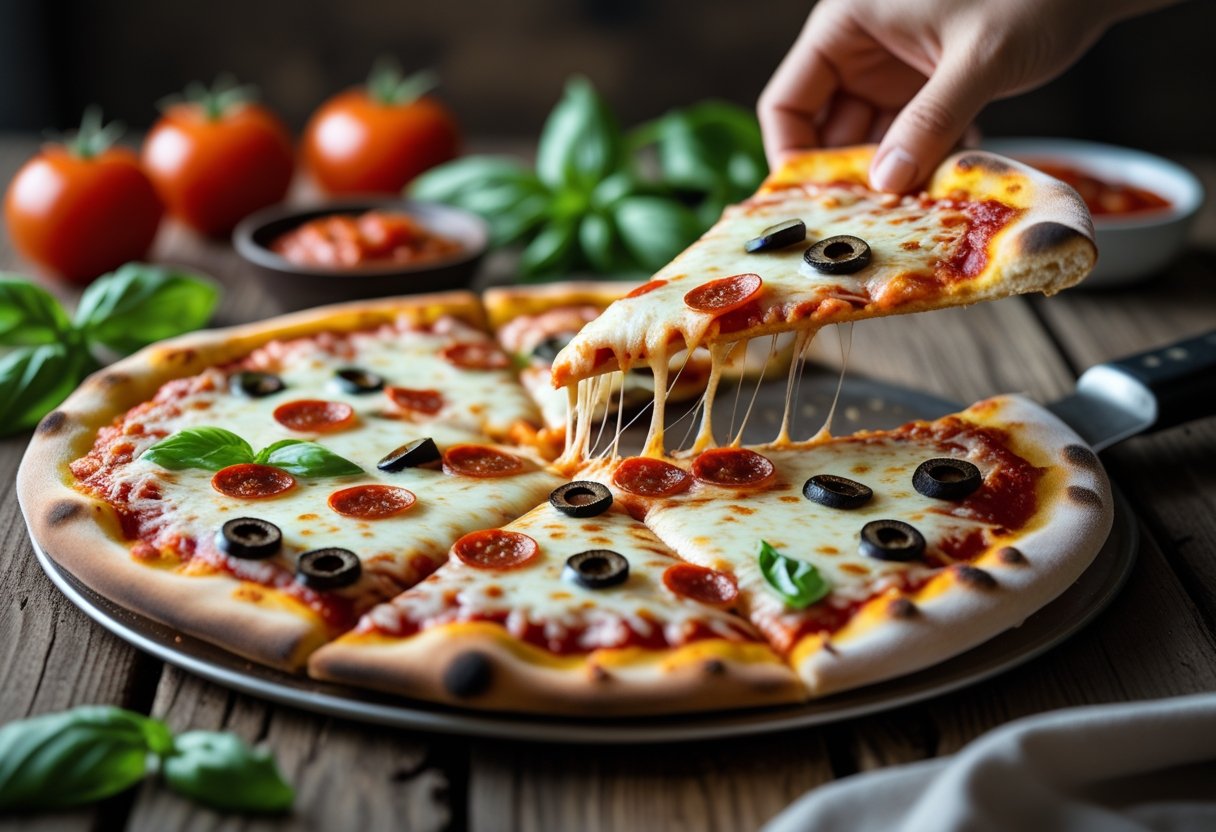
Making upside-down pizza takes some attention to detail. To get a crisp crust and evenly cooked toppings, I focus on controlling moisture and layering ingredients smartly.
Preventing a Soggy Crust
One of the main challenges is keeping the crust from getting soggy. I always preheat my pan or skillet before adding the toppings. This helps start cooking the dough immediately and creates a firm base.
I also drain any watery vegetables, like mushrooms or peppers, before putting them on the pizza. Too much moisture will soak into the dough and ruin the texture.
Another thing I do is use thicker pizza sauce or spread it thinly. If the sauce is too runny, it seeps into the dough during baking and makes it soggy.
Achieving Even Topping Distribution
Even topping distribution is key to getting consistent flavor and texture. I like to layer ingredients in order of cook time, with longer-cooking items closer to the pan.
For example, I place cheeses first, then sauce, followed by meats and vegetables on top. This order helps the cheese melt directly onto the crust, creating a nice caramelized texture.
I also spread toppings evenly across the surface, avoiding piles in one area. This way, every slice gets the right amount of toppings and cooks evenly without burning.
You can find more tips for layering and cooking here: https://www.vincenzaspizza.com/recipes/upside-down-pizza-recipe/
Serving and Presentation Ideas
When I serve upside down pizza, I like to keep the presentation simple. Serving it straight from the baking dish gives a warm and cozy feel. It also makes cleanup easier.
To add some color, I often sprinkle fresh herbs like basil or parsley on top. This makes the dish look more appetizing and adds a fresh flavor.
If I want a more rustic look, I serve the pizza casserole in the pan or pie plate I baked it in. It feels homemade and inviting at the table.
For portioning, I usually cut the casserole into squares, making it easy to serve. This also keeps all the toppings and crust neatly together.
A quick way to dress up the dish is to add a small side of marinara sauce or a simple salad. This balances the meal and adds variety to the plate.
Here is a quick serving checklist I follow:
- Serve directly in the baking dish for a cozy look
- Garnish with fresh herbs for color and flavor
- Cut into squares for easy portions
- Add a side of sauce or salad for balance
This method of serving keeps the dish practical and appealing without extra fuss. It works well for casual meals and family dinners. For more details, check out some serving ideas for upside down pizza.
Pairings and Side Dish Suggestions
When I serve Upside Down Pizza, I like to balance its rich, savory flavors with fresh, crisp sides. A simple Caesar salad or mixed greens tossed with Italian dressing adds a nice crunch and freshness.
Fruit salads are another easy choice. I often pair the pizza casserole with a zesty fruit salad that has peaches or other seasonal fruits. This adds a light, sweet contrast to the savory main dish.
For something warm and comforting, garlic knots or breadsticks work well. Their soft texture and buttery flavor complement the pizza casserole without overpowering it.
Here’s a quick list of good sides to consider:
- Caesar salad or grilled romaine with light dressing
- Zesty fruit salad with peaches or mixed berries
- Garlic knots or buttery breadsticks
- Simple mixed green salad with Italian dressing
- Garbanzo bean or Greek-style salads for a protein boost
I find these sides not only add variety but also keep the meal balanced. If I’m feeding a crowd, I like to add a few appetizers like meatballs or roasted vegetables to give more options.
For more ideas on pizza sides, you can check out this list of best pizza side dishes.
Nutritional Considerations
When I look at Upside Down Pizza, I focus first on its main ingredients. It usually contains ground meat like turkey or beef, cheese, pizza sauce, and crescent roll dough. These ingredients add protein, fat, and carbohydrates in varying amounts.
One important thing to note is the cheese content. Cheese adds protein and calcium but also raises the fat and calorie count. Using part-skim mozzarella or reducing the cheese amount can lower calories while keeping flavor.
Here is a simple breakdown of typical nutrients per serving:
| Nutrient | Approximate Amount |
|---|---|
| Calories | 300-400 |
| Protein | 15-25 grams |
| Fat | 15-25 grams |
| Carbohydrates | 20-30 grams |
| Fiber | 1-3 grams |
The exact numbers can change based on the recipe. For example, swapping ground turkey for beef can reduce fat and calories. Adding vegetables can increase fiber and vitamins without adding many calories.
I also watch the sodium level, as processed pizza sauces and meats tend to be high in salt. Choosing low-sodium sauce or making your own helps control this.
You can find more details on the calories and nutrition of Upside Down Pizza on sites like SparkRecipes or snapcalorie.com. This helps me adjust portions and ingredients while still enjoying the dish.
Storing and Reheating Instructions
When storing leftover upside down pizza, I first let it cool completely. This helps prevent moisture build-up and sogginess. Then, I place the slices in an airtight container or wrap them tightly in plastic wrap. This keeps the pizza fresh for up to 3-4 days in the fridge.
To reheat, I prefer using the oven. I set it to 350°F (175°C) and warm the pizza for 10-15 minutes. This restores the crisp crust and heats the toppings evenly. If I’m short on time, I sometimes use a skillet on medium heat, covering it to warm the pizza through without drying it out.
Here’s a quick reference for reheating my upside down pizza:
| Method | Temperature/Heat | Time | Result |
|---|---|---|---|
| Oven | 350°F (175°C) | 10-15 minutes | Crispy crust, even heating |
| Skillet | Medium heat, covered | 5-8 minutes | Crisp bottom, melted cheese |
| Microwave | Medium power | 30-60 seconds | Faster but softer crust |
For the best texture, I avoid microwaving if I want a crispy crust. Using the oven or skillet keeps the crust firm and the flavors fresh.
Storing the pizza with a layer of paper towels inside the container also helps absorb extra moisture. This small step makes a noticeable difference in preserving the quality.